Revolutionizing Retail: How AI-Generated Fashion Shoots Slash Costs and Redefine Marketing

Revolutionizing Retail: How AI-Generated Fashion Shoots Slash Costs and Redefine Marketing

AI-Generated Fashion Shoots Save Money for Retailers

By PYMNTS | April 30, 2025

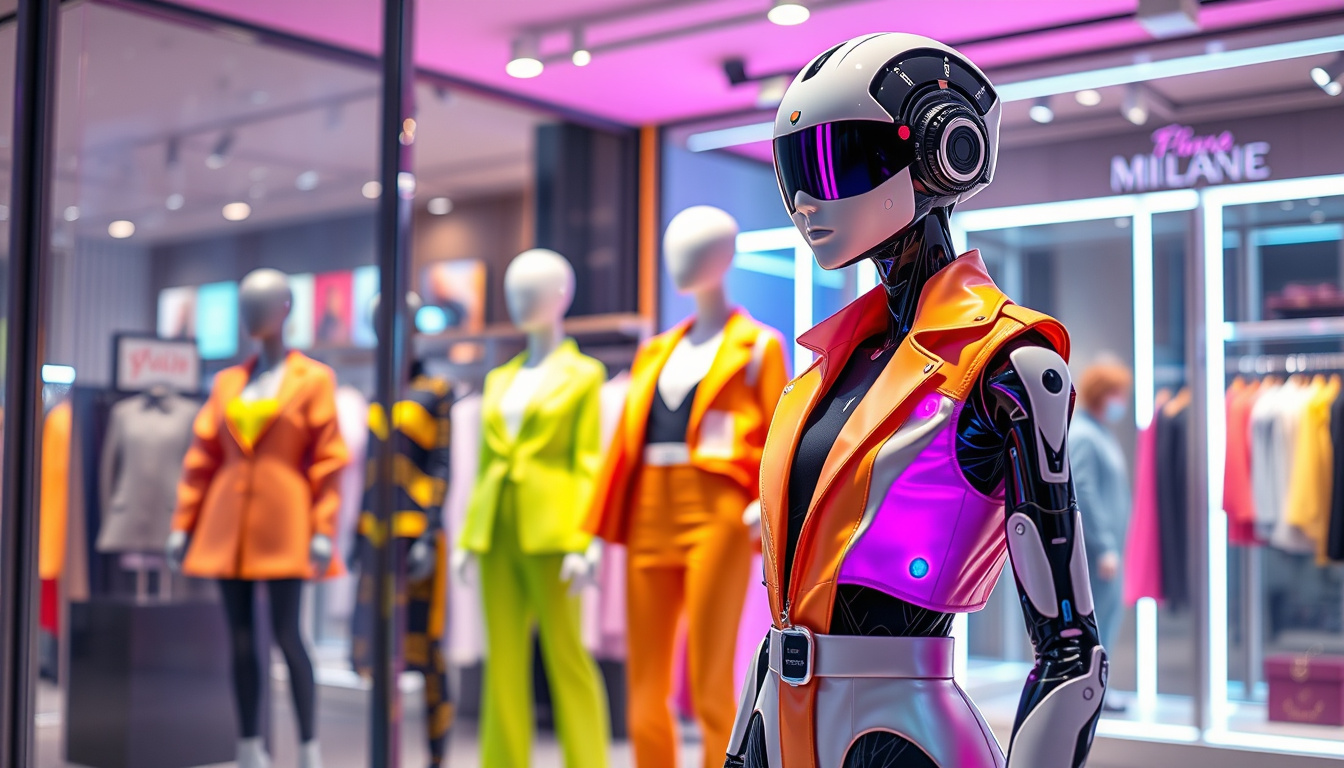
Retail changes fast. A new trend grows in fashion. AI makes fashion shoots. Companies like BetterStudio, Lalaland, Botika, and FashnAI use AI. They let stores show clothes and things without high photo costs.

The Rise of AI in Fashion Marketing

Stores need good pictures. AI models help stores get quick images. A photo shoot used to need a photographer, models, and a team. Now, AI image work costs 75 cents to $1.30 per picture. BetterStudio started in March 2025. They let stores upload clothing photos. The system builds images with different AI models. This setup cuts costs and lets brands use the same picture in many ads. Luca Arrigo, the CEO, says the goal is to help all who work in fashion.

Creative Autonomy for Retailers

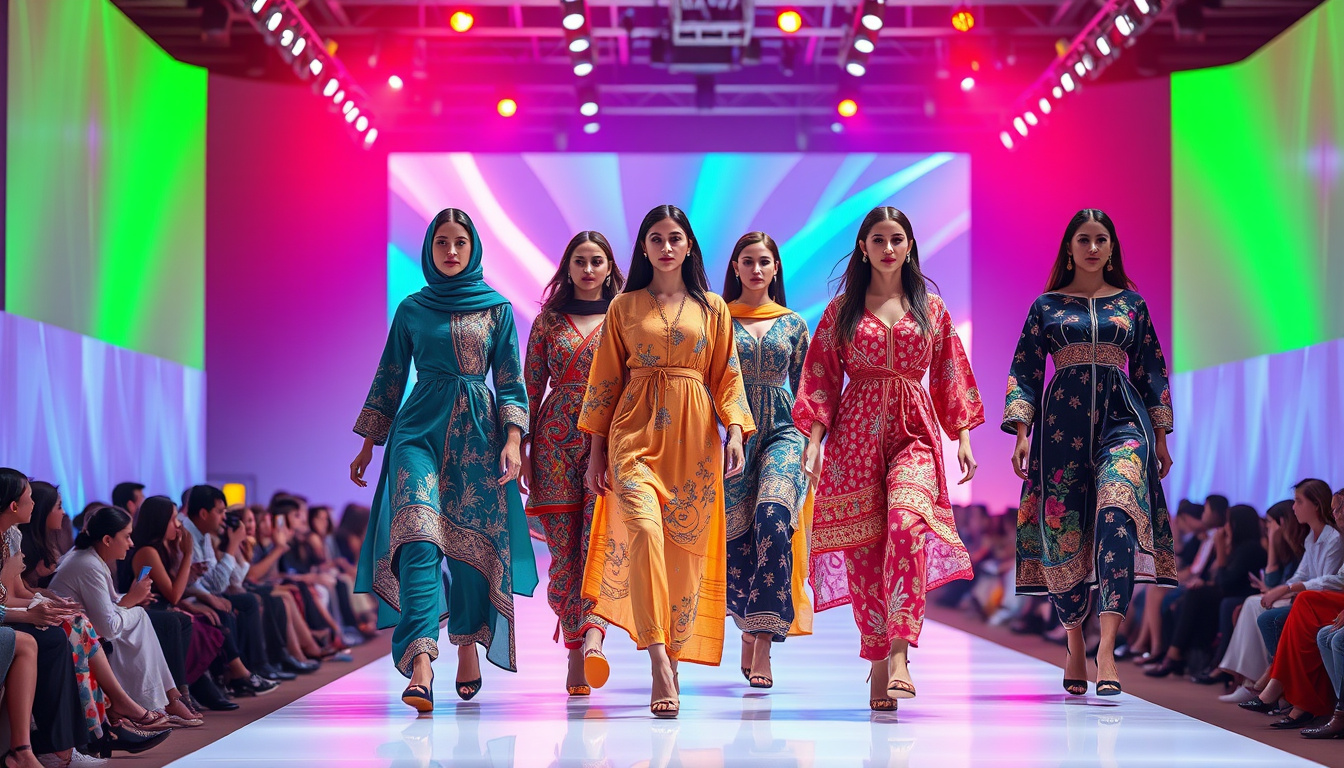
Marketers make images that show clothes on many body types and colors. Short sentences show ideas fast. A store sees a garment on different looks quickly. Companies like Lalaland, Botika, and FashnAI also help. They let stores show many kinds of models for global audiences.

Ethical Considerations and Industry Concerns

AI saves money. The trend also brings job worries. Some work groups ask for rules. In New York, a law needs a model’s clear yes before a digital image is made. A study from the Model Alliance shows many models fear that AI will hurt their jobs. Many models say they have sent body scans for digital work.

The Future of AI in Fashion

More brands use AI. H&M plans 30 digital models for ads. Human art joins with AI to show clothes in new ways. BetterStudio will soon start a market for social media stars. Stars send photos to brands with AI tweaks. Arrigo says his aim is to help true stars and models while letting groups work together.

For more news on tech and retail trends, stay with PYMNTS as we cover the changes in the market.

Phoebe Gates Launches Phia: The AI Revolutionizing Second-Hand Fashion for a Sustainable Future

Phoebe Gates Launches Phia: The AI Revolutionizing Second-Hand Fashion for a Sustainable Future

Phoebe Gates Set to Change the World of Second-Hand Fashion with AI Platform

Date: May 1, 2025
By: TOI Trending Desk

Phoebe Gates, daughter of Bill Gates, enters the world of used clothing. She builds an AI tool named Phia with her friend from Stanford, Sophia Kianni. This tool links smart tech with a new way to shop for pre-owned clothes. It cuts down waste from fast fashion.

A Growing Focus on Sustainability

Fast fashion started in the 1990s. Brands like Zara make clothes very fast. That speed leads to piles of gowns and shirts in dumps. Unsold garments now hurt nature with heavy pollution.

Young buyers now choose thrift stores. They favor clothes that do less harm to the earth. Phoebe Gates joins the scene as shoppers seek a simple change.

Introducing Phia

Phia comes from the clear plan of Gates and Kianni. The tool went live on April 24, 2025. It collects more than 250 million used items from sites like eBay, StockX, ThredUp, and Vestiaire Collective. Phia checks current market points to set fair prices. It makes buying used clothes plain and quick.

In an interview, Gates said, "Women spend a lot on shopping. Not giving them a special buy that suits both their purse and the earth is hard to see."

Market Outlook

The used clothing market grows fast. A 2023 report by ThredUp shows that the global resale market may double by 2027 to a value of $350 billion. Even with many sites in this space, Gates feels Phia shows its own clear way.

For buyers who want a low-cost pick that cares for nature, Phia fits well. Kianni asked, "How do you know you get a fair deal? We built this tool because we missed one in college."

Addressing the Environmental Impact

The fashion world sends out much carbon gas and wastes water. It now makes 92 million tons of textile waste each year, say experts at the United Nations Environment Programme. Phia helps by providing a way to shop that is kind to our earth. The tool also asks buyers to think hard about what they choose.

Phia does more than show used items. It works to change how buyers view and purchase clothes. Now, as the tool starts its path, all watch how it may shift habits and care for nature.

In sum, Phoebe Gates and Sophia Kianni bring Phia as a fresh answer to fast fashion. The AI tool weighs both cost and care for the world. With Phia in play, the world of used fashion may soon see a bold change for careful buyers.

Unlock Celebrity Style: Discover the Future of Fashion Shopping with OneOff’s AI Agent

Unlock Celebrity Style: Discover the Future of Fashion Shopping with OneOff's AI Agent

OneOff: Changing Celebrity-Inspired Fashion Shopping With AI

OneOff enters fashion retail with a new spin. This startup helps buyers find looks from famous stars. Emir Talu and Bobby Maylack started it. The system uses AI to make shopping quick and clear. Young shoppers now choose star-inspired clothes over old brand names.

The Star Effect on Fashion

Gen Z and young millennials now choose styles worn by stars. Many use apps like Instagram. Fans see real-time images of favorite looks. Talu said, "Young people use Instagram to find clothes they like. This app now drives most style choices."

At OneOff, the idea stays simple. The user visits the website and answers one question about which star they admire. The site then shows a short list of products that match that look. For example, a search for Addison Rae styles shows items like Repetto pumps costing $262 and a Dolce & Gabbana bustier top priced at $995. This list mixes high-end items and simple basics with clear links to the star’s look.

Fixing a Hard Shopping Task

Buying clothes seen on social media now feels slow. Talu said, "Instagram Shop came and went. Shopping on the app now relies on ads." Although affiliate links let people shop via social media, the steps feel long and hard. OneOff fills this gap. It uses AI to cut out extra steps while keeping the process clear.

When Talu and Maylack first looked at this area, they did not see a simple, quick fix. This need drove them to build their own website. They gathered a team with skills in fashion and star-related trends to work on the project.

Funding and Partners

OneOff raised money from well-known backers early this year. Investors include Pentas Ventures, the Hermès family office, and several figures from show business and fashion. A joint notice from Hermès & Lowe Family Offices said, "People now find fashion in new ways. We believe the OneOff team fits today’s style needs."

At launch, OneOff worked in beta with about 100 creators. These include stars like Hailey Bieber, Bella Hadid, and Sofia Richie Grainge, as well as stylists such as Dani Michelle. The founders picked them from top searches to match popular looks.

A Tailored Shopping Journey

Today, OneOff links to clothes from shops like Ssense, Mytheresa, and Net-a-Porter. As more people join, the site will add more brands by joining directly with stores.

OneOff plans to make shopping feel like a personal stream. AI will learn each user’s taste to suggest items that match. Talu dreams of a system that feels like a tailored feed, much like a home screen that shows just the right picks for each user.

AI in Fashion Retail

AI now plays a big part in many stores. Talu feels that OneOff blends AI with a human check. Every product picked by the AI gets a team review before it is shown. This extra step keeps ideas clear and true to each star’s style.

The company also gives star partners a way to earn money. A simple revenue split lets verified creators earn 10 to 25 percent. This plan helps them gain from the looks they set without complex work.

Conclusion

OneOff starts its work to change star-based fashion shopping. It faces the task of keeping up with fast-changing tastes yet keeping the site clear and fun. Many buyers seek quick style hints and clear links. OneOff meets this call by using AI that works with people. Its focus on star looks meets the wish many shoppers have: to dress as their favorite stars.

Unleash Your Inner Fashion Icon: Discover OneOff, the AI Agent Making Celebrity Looks Attainable!

Unleash Your Inner Fashion Icon: Discover OneOff, the AI Agent Making Celebrity Looks Attainable!

OneOff: The AI Shopping Agent for Celebrity Fashion

Innovating Fashion Discovery

Social media reshapes fashion. OneOff enters the scene with an AI search for style. Emir Talu and Bobby Maylack built the platform. They use the power of stars to guide shoppers. Gen Z fans watch celebrities for style cues. Smart tools meet a clear need.

The Concept Behind OneOff

OneOff makes fashion choice simple. It asks one clear question: "Who are you wearing?" Fans pick a celebrity and see AI-sent product matches. The picks mirror the star’s look or draw from it. For example, a search for TikTok star Addison Rae shows red pumps and a polka dot bustier. The platform lists upscale items along with simple basics. Talu says higher-priced items raise earnings for the site and its partners.

The Celebrity Influence on Shopping Behavior

Celebrities shape today’s trends. Magazines and online channels display their outfits. A report shows that 91% of Gen Z follow creators for style tips. Social media and star images send style hints. Bottega Veneta uses early star looks in its posts. Stars like A$AP Rocky and Kendall Jenner serve as style guides.

Addressing Shopping Frustrations

Instagram grows fast, yet its shop remains hard to use. Talu sees that finding star outfits on the app takes too long. This challenge led Talu and Maylack to build OneOff. They work to make buying simple. The company gained funds from several investors tied to fashion and media. They see a shift in how buyers search for trends.

A Unique Shopping Experience

OneOff is now in beta mode. It shows products from about 100 creators. Stars like Hailey Bieber, Bella Hadid, and Sofia Richie appear here. The list of creators comes from a strict look at user interest. Each week, Talu and Maylack add fresh names. When users shop, verified stars earn a share. Stars get paid without running their own web stores.

Using AI for a Personal Touch

OneOff uses AI to improve style searches. Talu envisions the service like a film app for fashion. The system learns what a user likes over time. It then sends picks that fit personal taste. Some may worry if AI fits unique style. Talu trusts that a human check guides the process. The system gets regular reviews to keep its picks in line with taste.

A New Era of Affiliate Marketing

At its core, OneOff builds a new model in online selling. It binds star style with quality shop items. The platform fills a gap in the market. More social stars now seek ways to earn from their style. OneOff stands as a clear answer that simplifies shopping for busy fans. As the site grows, it will change how buyers and stars connect in a world led by social media and celebrity trends.

Revolutionizing Fashion: Arkana Digital’s Visionary Launch of AI Photography and Storytelling

Revolutionizing Fashion: Arkana Digital's Visionary Launch of AI Photography and Storytelling

Arkana Digital Launches Innovative AI Fashion Photography Agency

New York City, NY – April 23, 2025 – Arkana Digital steps forward as an AI fashion photography agency. Its base is in New York City. The team joins smart computer work with creative art to build new ways for brands to show style.

Changing Fashion Visual Storytelling

Arkana Digital starts with a simple idea. It thinks old photo methods can get a boost when combined with smart machines. Founder Luca Babini states, “We do more than capture images. We build brand stories.” Babini has a long record in both high fashion and photo journalism. He leads the team with deep experience in art and light.

Arkana Digital speeds up the photo process. It cuts time and cost while giving brands pictures that speak to viewers. The agency takes each shot and works on it until it tells a clear story.

A Set of Creative Services

Arkana Digital works like an editor who keeps the focus on each brand’s look. The team first learns a client’s style and then makes images that match. The services include:

  • AI-Prep Garment Photography: Shooting in the studio with mannequins built for computer work.
  • Image Shift: Taking client images and running them through a custom AI process.
  • Visual Story Models: Building clear picture stories that fit each campaign.
  • Post-Production Work: Delivering clean, high-grade images after careful refining.
  • Short Video Clips: Crafting quick video pieces for social sites.

The agency can rework one image into many different styles. This speed lets brands try many looks in a short time.

A Global Vision

Arkana Digital is not only in the U.S. It has also opened new spots in Mexico and Italy. This growth helps the agency work with fashion brands around the world.

The Technological Backbone

Arkana Digital teams with Caimera.ai, a top technology partner. Their state-of-the-art tools bring smart work and speed to every project. Kirti, Caimera’s co-founder, works with the team to solve tough AI challenges in visual production.

The Leader Behind Arkana Digital

Luca Babini stands at the front of Arkana Digital. He has worked with well-known brands and famous names. His photos have appeared in Vogue Italia, Vanity Fair, and Esquire. His work shows care for green ideas and fresh art. He makes sure that each image tells its own clear story in a fast-changing world.

Arkana Digital now starts its work. Fashion brands seeking fresh photo paths may find a strong partner in this new agency.

For more information about Arkana Digital and to view its work, visit their website at arkana.digital.


This article shows Arkana Digital as a new name in fashion photography. The team uses smart machines to shift how picture stories are made. Its work brings a fresh view to a field that values art and speed.

Dress Like a Star: Discover Celebrity Styles Instantly with OneOff’s AI Fashion Agent

Dress Like a Star: Discover Celebrity Styles Instantly with OneOff's AI Fashion Agent

OneOff: The AI Shopping Agent to Emulate Your Favorite Celebrity’s Style

OneOff is a smart shop tool. It helps you copy the style of a loved celebrity. Emir Talu and Bobby Maylack built this tool using AI. It serves Gen Z and young millennials. They see stars on Instagram. The tool makes shop search fast and clear.

Bridging the Gap Between Celebrities and Consumers

Celebrities mix with style and fashion. OneOff meets a growing trend. Young buyers use Instagram every day. The app finds clothes with simple steps. Talu says users now search with clear instructions. OneOff links online shopping with Instagram discovery. Users answer, "Who are you wearing?" by naming a star. In return, OneOff shows shop items. Some items match exactly; others copy the style. For example, search for TikTok star Addison Rae and you may see red pumps or a stylish top. The list hosts both high-price items and cheaper picks.

Meeting Demand

Celebrity style fits modern shop habits. A recent report shows that 91% of Gen Z buyers follow trends on social media. Fashion magazines now mirror celebrity looks. OneOff fills a gap with a simple shopping page. The founders know that buying items seen on Instagram is hard. Old shop methods force buyers to click through many posts and links.

Launch and Future Developments

OneOff now runs in beta. It shows about 100 creators, including names like Hailey Bieber, Bella Hadid, and Sofia Richie. The team picked these stars from popular search counts. As users join in, OneOff will add more products. Verified creators may earn money when a sale comes from their style pick. This way, stars earn cash without managing a shop page.

The Technical Edge

OneOff uses smart tech to keep the shop process short. It works with language models and also uses a human check. A person reviews each product before it appears. This check looks at the style and taste of the item.

The Role of Affiliate Marketing

The affiliate market now grows very fast. Some estimates see creator earnings reach over $1 billion in 2024. Many top stars do not have time for a shop page. OneOff makes this step more simple. The new model helps stars earn cash from style sales. Maylack says that the main issue is time, not technology.

A Visional Future

OneOff follows a model like Netflix menus. User choices build a list of products that fit their taste. With AI joining style shows and users picking their likes, OneOff becomes a shop for fashion fans. It helps buyers copy the looks of their favorite stars in a very easy way.

Unlock Savings with Phia: The Ultimate AI Fashion Shopping Assistant

Unlock Savings with Phia: The Ultimate AI Fashion Shopping Assistant

AI Fashion Shopping Tools: Phia Changes How Consumers Shop

In an age when online shopping peaks, a new app joins the field to help buyers spend less and save time. Phia is a free iOS tool and mobile browser add-on that uses AI to pair shoppers with the best prices for both new items and used ones. It taps into a database that holds 250 million used items from over 40,000 websites, so buyers check prices faster.

The Functionality of Phia

Phia meets a common need: fair prices. It shows a quick, live check that links each price to one of three labels: high, normal, or fair. When a price stands out as too high, Phia connects users to lower-price picks and similar items. This clear link between price and choice helps buyers act fast.

Changing E-Commerce With AI

AI tools like Phia mark a shift in online buying. The app helps shoppers compare prices in real time and makes cost checks easier. Its fast price check shows when a product costs more, so buyers get clear hints for better choices.

Optimizing the Secondhand Market

Phia also puts care into the used market. As more buyers think about saving resources, this app gives clear price checks for used goods. By showing the real cost of pre-owned items, Phia gives users a way to trust in used purchases and balance the market.

Personalized E-Commerce Experiences

Phia fits into the trend for shopping that feels one-to-one. Its AI sends picks that match each buyer well. This link between a shopper and smart choices helps save time and money while changing the normal online shopping pattern.

Industry Implications

New AI shopping tools move retail onto different paths. As online shops grow, adding AI aids the exchange of clear cost hints between sellers and buyers. Phia shows that users can browse vast catalogs with small steps that tie items closely together. This shift may lead to more fair pricing and smarter purchasing choices.

The rise of these tools may bring big gains to the used market, as clear price info makes used items a sound pick compared to new ones. Phia and similar tools may shape a new trend where buyers hold the power and shop in fresh ways.

In conclusion, Phia stands as an example of tech that makes shopping easier and price checks clearer. As AI grows, Phia and its likes will keep changing shops, helping buyers save money while supporting a more balanced world of goods.

Unlock Your Inner Celebrity Stylist: Discover OneOff, the AI-Powered Fashion Platform Transforming How We Dress Like Our Icons

Unlock Your Inner Celebrity Stylist: Discover OneOff, the AI-Powered Fashion Platform Transforming How We Dress Like Our Icons

Transforming Celebrity Style: OneOff Introduces AI Shopping Agent for Fashion Enthusiasts

By Madeleine Schulz | April 25, 2025

Social media shapes trends. OneOff uses AI to help fans shop in a simple way. Co-founders Emir Talu and Bobby Maylack built OneOff so users can copy the looks of stars quickly.

Understanding the Celebrity Influence

Studies show many in Generation Z care more about the clothes stars wear than items from big brands. Celebrities and social media figures drive style choices. Talu says, "Younger millennials and Gen Z use Instagram as their main app. They let the app show them clothes that fit what they seek."

On the OneOff website, a visitor types a name into the question, "Who are you wearing?" The site then shows a mix of exact matches and inspired pieces. Items range from luxury to lower-cost basics.

A Smooth Shopping Experience

Fans face issues when they shop from Instagram finds. Links on Instagram can be hard to use. OneOff brings the items seen on Instagram into one neat list. A search for a famous star might bring a pair of red pumps at $262 or a high-end top at $995. A search for another star may show a sleek blazer dress that costs $2,500. The list has many high-end items but also some less expensive options.

Building Partnerships and Community

OneOff also lets stars make money from their style. Verified creators, like Emma Roberts and Suki Waterhouse, earn a cut from sales that come from the site. The split from retail sales goes from 10% to 25% for both the platform and the creators.

The team chose the first group of stars using top Google search data. The beta version of OneOff works with about 100 popular creators, including Bella Hadid and stylist Dani Michelle. The site plans to update its list as users show their true interest and search trends change.

The Future of Fashion Discovery

OneOff wants to give each user a shopping list that feels personal. The plan is to tune the algorithm so it can suggest new items every week based on a user’s past choices. As Talu puts it, "We want the algorithm to work like how streaming services suggest what to watch. It should get so smart that you do not have to look for items on your own."

Some may worry about how a computer chooses your style. The founders stress that the tool connects with a real need. Talu adds that while AI makes shopping work smoother, the idea must match each person’s own taste.

Facing the AI Fashion Issues

AI in fashion brings its own set of hurdles. Technology must read and match items to a person’s taste. OneOff depends on big language models like ChatGPT and Google’s Gemini. Each suggestion goes through a person’s check to keep quality and true style.

Conclusion

OneOff changes how fans shop for star-inspired style. The tool links high-profile looks to an easy shopping path. As the site grows, it will shape the future of online shopping by closing the gap between famous styles and what users can buy.

Harnessing AI in Fashion Marketing: Balancing Innovation with Creativity

Harnessing AI in Fashion Marketing: Balancing Innovation with Creativity

AI’s Change in Fashion Marketing

April 1, 2025
By Haley Crawford

AI and marketing now meet in fashion. This change brings both good and hard tasks for brands. Marketers use new AI tools to save time while keeping their creative ideas. They work with care so that brand trust and buyer ties stay strong.

Adopting AI in Fashion Marketing

Recent news shows more brands add AI to their work. AI writes words and makes pictures that many people notice. A report from the Jasper platform shows 79% of teams plan more use of AI in 2025. This step marks a change in how teams work.

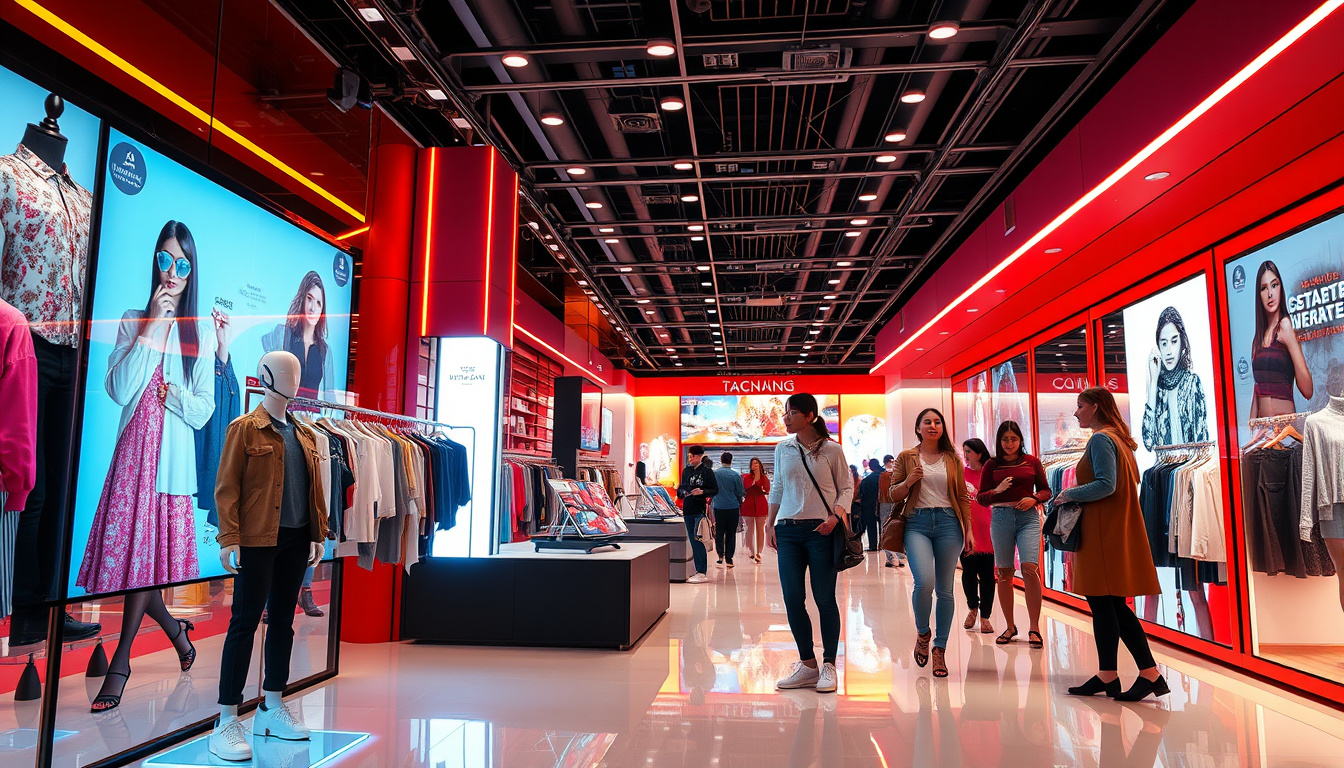
Big companies like Coach, Revolve, and Anthropologie now use AI in many parts of marketing. AI helps when buyers look for products and when brands make virtual copies of items. These copies help brands see buyer habits and guide new designs and product displays.

The Push and Pull: Human Ideas vs. AI

A debate started last week when OpenAI added its new image maker to ChatGPT 4.0. This tool makes images that match popular cartoon styles and caught attention online. At the same time, H&M showed AI-made models. Many people then asked what this tech means for art and work.

Some leaders say that AI acts as a helper rather than an opponent. Addia Cooper-Henry of VMGroupe said, "AI will not take our place. Do not fear tools that help your mind." Her words point out that AI can work with human ideas. It may open ways to fight creative obstacles.

Better Content and Easier Work

AI now helps with making ad words and images. Brands like Adidas and Ulta Beauty use AI to write product details and other text. This method saves time and keeps each brand’s mark strong. Still, AI needs clear input from people to get good results.

AI also helps with office work by checking lots of data fast. For example, Anthropologie now spends more time on work like SEO. They went from spending 20% of their time on this work before AI to 60% afterward. This change lets the team put more effort into making their website work better.

The Future of AI in Fashion Marketing

AI will keep changing the way brands work. Some tools, such as Daydream, give data about what buyers like. This data helps brands adjust how they sell. Revolve, for example, now has better search and buyer support because of AI. This switch led to more orders and a rise in sales.

Even so, many still worry about how buyers feel about AI. Using these tools the right way is key. Brands must keep a real bond with buyers while they work with new tech.

To sum up, the fashion world now sees marketing in a new light. With care and clear ideas, brands can use AI to bring fresh art and hold buyers close. As tech grows, the industry should stay ready and work smart with this new change.

Navigating the Future: Key AI and Sustainability Trends Shaping the Fashion Industry by 2025

Navigating the Future: Key AI and Sustainability Trends Shaping the Fashion Industry by 2025

The Future of Fashion: Trends Shaping the Industry in 2025

April 11, 2025 – The economy wavers. New technology grows fast. The fashion field feels both risk and chance. McKinsey points out that brands must shift with new buyer tastes and global trade change as they step into a hard year.

Industry Insights from McKinsey

On a recent McKinsey Podcast, Senior Partner Gemma D’Auria and Global Editorial Director Lucia Rahilly spoke on key ideas from McKinsey’s latest State of Fashion study. Their words show an economy filled with doubt. Buyer confidence falls in key places like Europe and China.

D’Auria said, "The fashion scene has risk. Yet, the market fills with chance." Global trade troubles, supply stops, and new buyer views hint that 2025 will shape the field.

Consumer Spending Patterns Evolving

New research shows that buyers now search for worth. This idea goes beyond price and mixes in the sense of value. One in three in the United States has bought a high-quality copy of a luxury item this past year. This change shows that buyers now care more for worth and cost.

D’Auria added, "High-quality copies are now seen as smart by many who love fashion." Buyers now choose used items too. They want pieces that feel fresh and keep the earth well.

Regional Variations in Growth

McKinsey found that buyer habits differ by region. In Europe, growth comes in slow and buyer trust fades. In China, change stays small. Yet, India and the Middle East grow fast as fresh buyer groups form.

India may soon be the third-largest market. A young crowd pushes the country forward. With nearly 430 million middle-class people, brands see new ground here. In the Middle East, luxury budgets grow, especially in the United Arab Emirates and Saudi Arabia. These spots gain strength in global style.

The Rise of Silver Spenders

Old buyers, known as "silver spenders," now shape the field. People over 50 grow in number. They now drive 38% of buyer spending and half of its increase. Fashion houses must change plans to fit this group.

Emerging Trends in Sporting Goods

Traditional sports brands feel new rivals. Big names like Nike and Adidas now face falls in profit. New brands win buyers with fresh ideas and close ties with groups. D’Auria noted that new product ideas and close community links help these brands win ground.

The Role of AI in Fashion

Artificial intelligence now guides many buyer choices. D’Auria said that 70% of what buyers pick relies on digital tips. AI now makes each shopping trip feel close and clear. Fashion shops now use AI to improve talks in stores and online.

D’Auria said, "Giving staff AI tools helps them talk better with buyers and makes store trips more rich."

The Evolution of In-Store Shopping

Even as online buys grow, many still choose real stores. Research shows that 75% of buyers will spend more after good service in a store. Yet, 70% of store sales now come from things seen online. The start of a buy now lives online. This state gives old stores a hard task.

Conclusion

The field of fashion readies for 2025. Brands must shift and try new means. AI now plays a large part. Being green and caring for many buyer types is key. From the rise of silver spenders to the growth in used item buys and the birth of new regions, the field grows in a mix of art and money sense. For more details, see the 150-page McKinsey State of Fashion report on their site.

Affiliate Disclosure: FashionNewsGF.com is a participant in the Amazon Services LLC Associates Program, an affiliate advertising program designed to provide a means for sites to earn advertising fees by advertising and linking to Amazon.com. As an Amazon Associate we earn from qualifying purchases. Learn more