The Rise of Digital Twins in Fashion: A Call for Fair Regulation and Ethical Practices

The Rise of Digital Twins in Fashion: A Call for Fair Regulation and Ethical Practices

Experts Warn of Ethical Concerns as Fashion Brands Adopt ‘Digital Twins’ Technology

By Margaret Wong, May 17, 2025

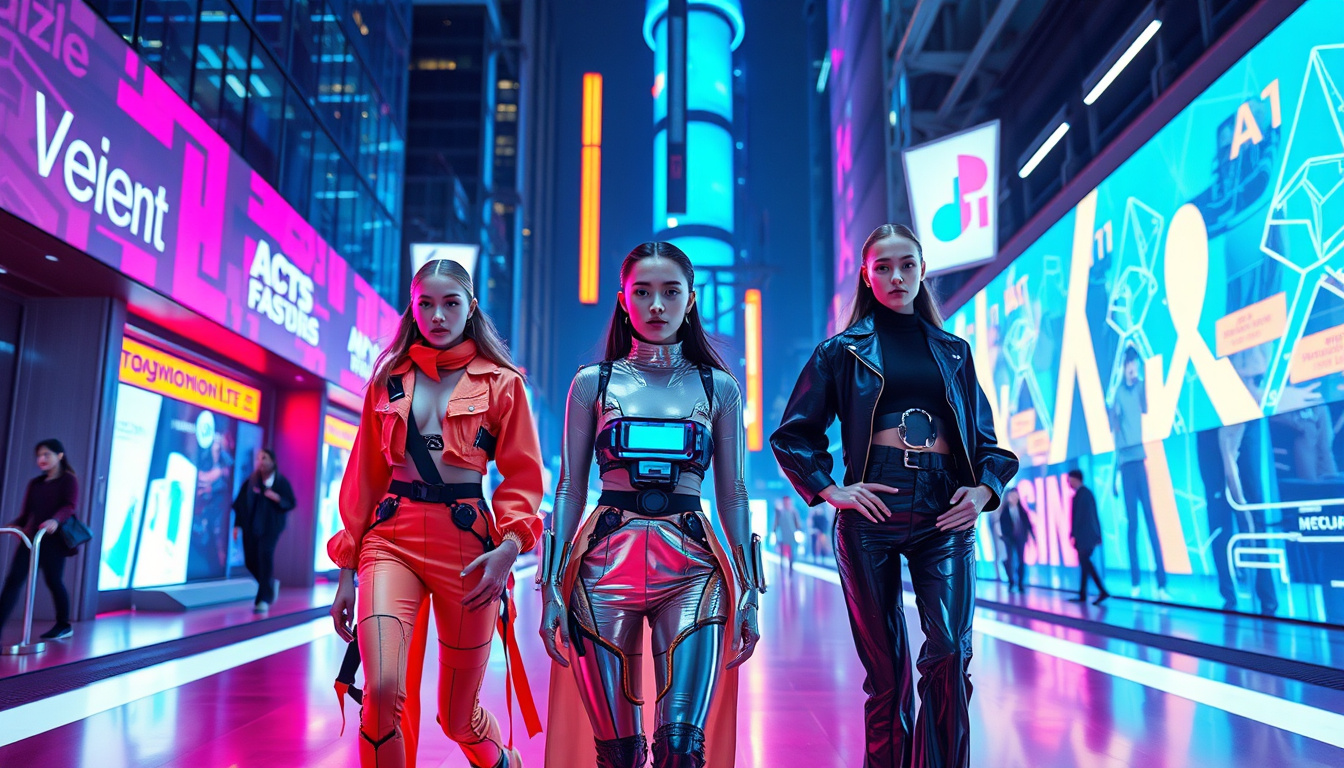
Technology meets daily life. The fashion field tests new paths to reach buyers and cut costs. Big names like H&M now use "digital twin" technology. They build lifelike AI copies of real models. This choice brings hard questions on work rights, self-image, and the world we share.

The Rise of Digital Twins in Fashion

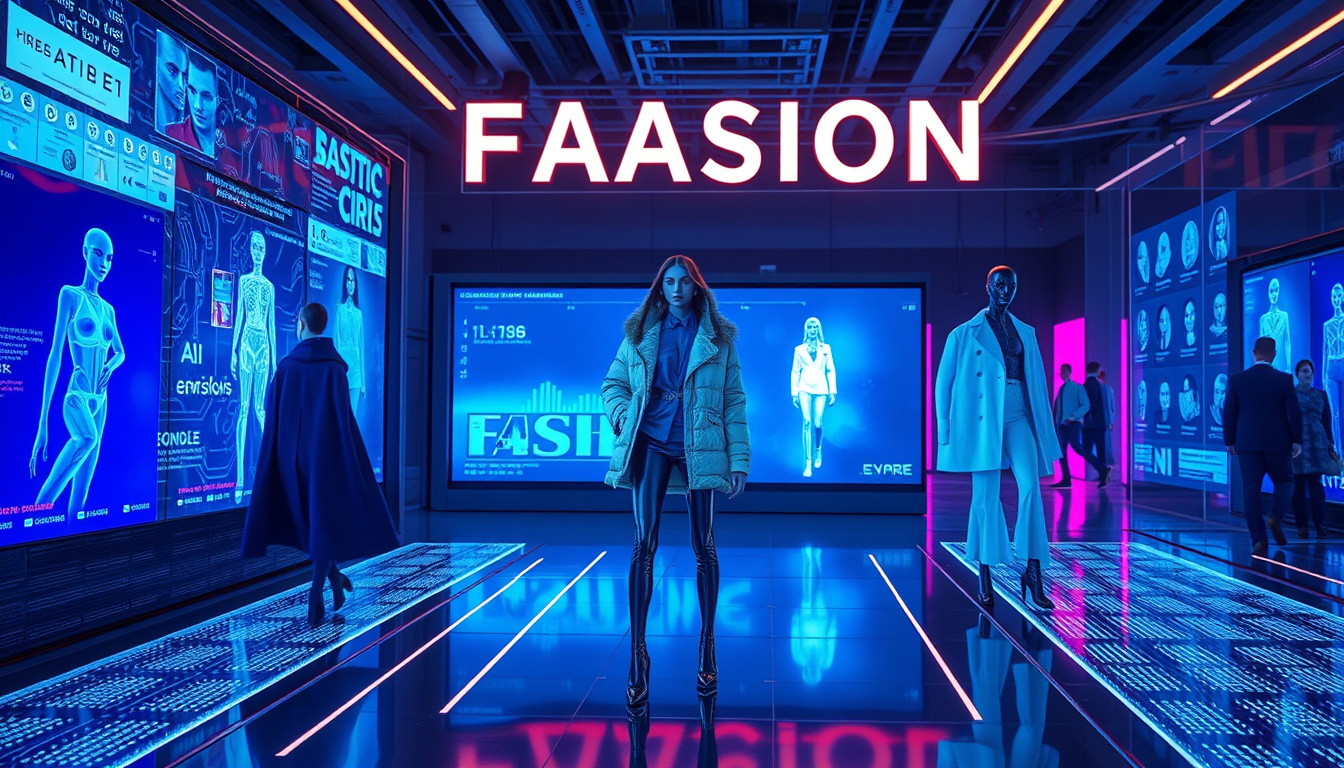
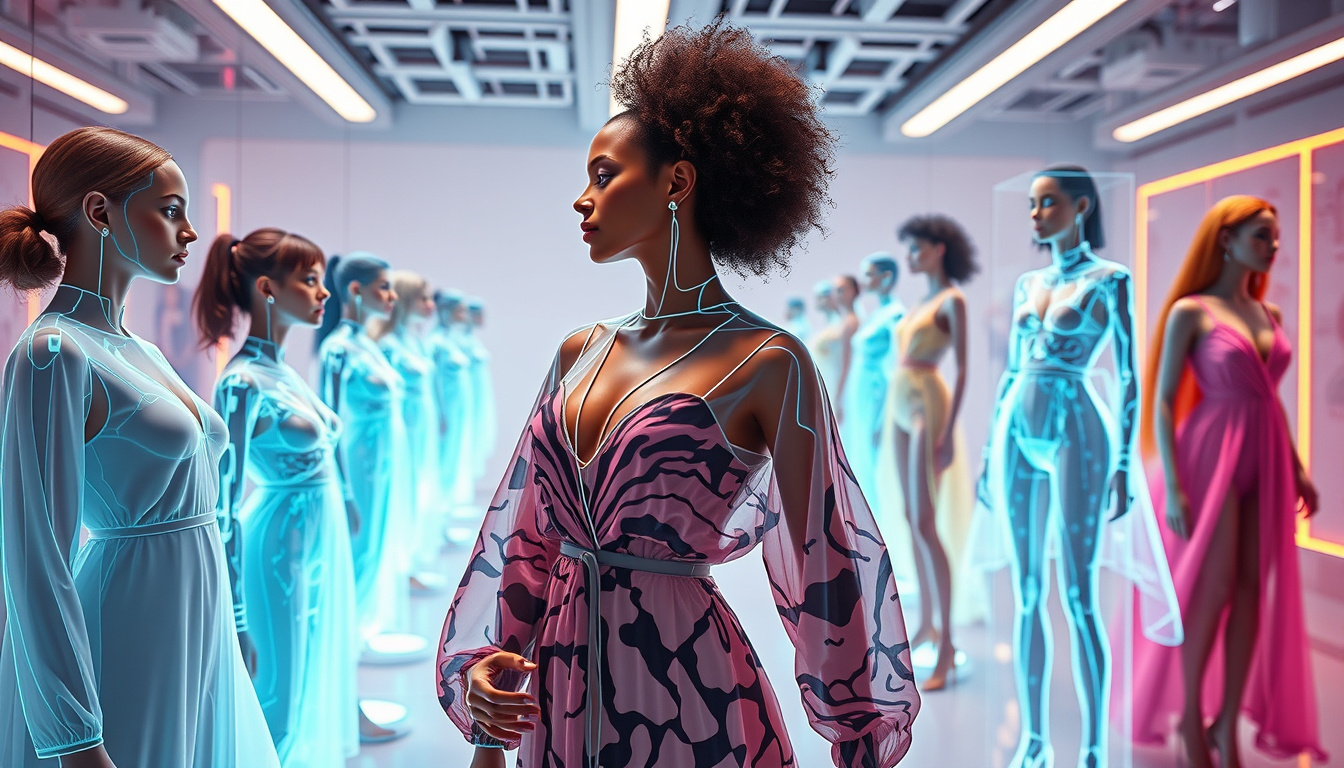
Brands build digital copies by scanning bodies and capturing voices. H&M made 30 copies of models with this method. These AI copies sell items and speak with users online. Other brands join the effort. In the coming days, real models might give way to these repeatable digital images. Some models get pay and share control over their look, but rules on pay and rights stay vague.

The Call for New Rules

As tech speeds up, experts sound alarms. Jul Parke, a media and tech student in Toronto, asks for clear rules. Parke wrote for The Conversation, "We need new rules that give fair pay for creative work." His words press for laws that guard work rights in art and design jobs.

Impacts on the Workforce

Digital twin tech may change jobs for models, photographers, and influencers. Real models might lose work and earn less as brands pick low-cost AI. This shift could split the field. Big-name models might use their own images with ease, leaving smaller names behind.

Some experts worry that more digital models may feed old problems in fast fashion. Fast fashion makes over 92 million tons of textile waste each year. If brands depend more on AI, care for the world could drop. Though digital images stay on screens, they still drive the sale of physical goods. This can add to waste and mass production.

Questions on the Environment

Digital twin work shows ties beyond human work. It asks if profit goals in fashion hurt green efforts and real human jobs. Some brands now share clear pay plans and rights for the people behind digital images. These steps try to mix tech and ethics with care.

Consumer Action and Sustainability

As tech grows, experts call on lawmakers to set firmer rules. Buyers have a role to cut waste. Choosing thrift or secondhand items can keep clothes in use longer. Each small choice can drop the need for harm in both digital work and fast fashion.

In summary, as brands adopt digital twin tech, the fashion world must work on questions of ethics, work rights, and care for our world. Only group effort and watchful care can use tech’s gifts while keeping people and the planet safe.


For more updates on ethical work practices and guiding tips on sustainable living, subscribe to our newsletter for smart and simple advice.
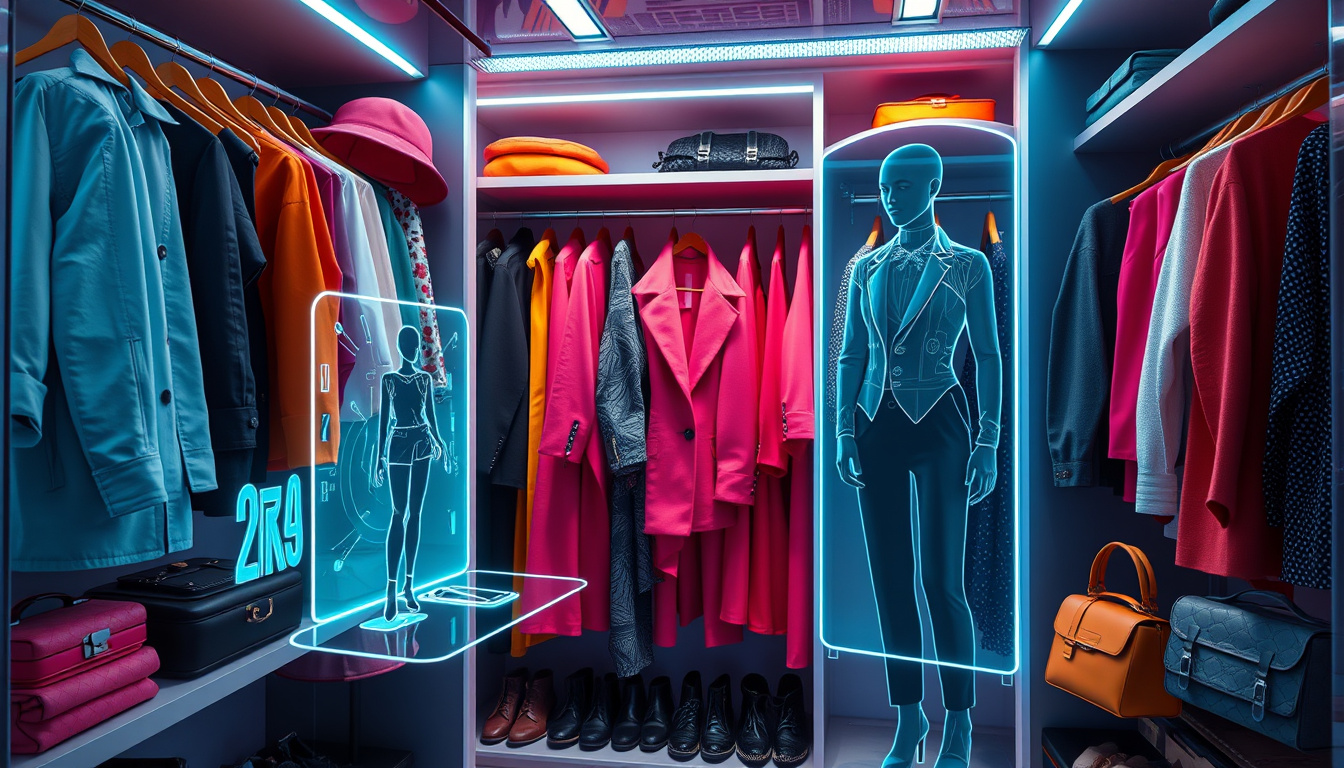
Transforming Fashion: How AI Personalized Stylists Revolutionize Style Recommendations and Industry Trends

Transforming Fashion: How AI Personalized Stylists Revolutionize Style Recommendations and Industry Trends

High Adoption of AI-Based Personalized Stylist Market in North America

AI changes personal styling and grows the market quickly. North America leads with strong tech and big fashion investments.

Market Growth Projections

The market sits at USD 127.1 million in 2024. Forecasts push it to USD 2,829.2 million by 2034. Growth runs at 36.5% per year from 2025 to 2034. AI and machine learning work together to serve users with custom advice.

Key Market Drivers

Several points drive the AI-stylist trend:

  1. Consumers need tailor-made fashion tips. AI shifts demand with each update.
  2. Virtual try-ons let buyers see clothes live. Online tools cut worry and returns.
  3. Better deep learning brings sharper outfit picks.

Some issues still block progress.

Challenges Faced by the Market

The market handles these hurdles:
• High costs limit work for small firms.
• Data worries make many users stop short.
• Algorithms sometimes miss the mark on style fits.

Future Opportunities

New paths come into view:
• Online shops need smarter AI style help.
• AR/VR gives buyers a fun live try-on view.
• AI can fill gaps in eco-style and broad-fit fashion.

Regional Market Insights

North America stands out and climbs fastest as tech and retail work well. Shoppers see AI on mobile apps and sites and trust custom picks. Big stores invest in new tech to win user hearts.

Company Activity and Innovations

Key firms work hard in AI styling. Names like Bestlook, ClothStudio, and Dressipi lead the race. For instance:
• Hi-Tech Apparel bought Unmade, which helps order custom clothes.
• Nordstrom set up Style Assistant to give outfit tips.
• Mango has a chat AI named Lisa that replies fast for design help.

Conclusion

The market grows fast with new tech and fashion tastes. Though there are challenges, tech strength and user trust make a clear path ahead. Big brands in fashion and tech push the work daily.
For further information, please visit InsightAce Analytic.

Revolutionizing Fashion: How Gensmo’s AI Fashion Agent Transforms Your Closet Experience

Revolutionizing Fashion: How Gensmo's AI Fashion Agent Transforms Your Closet Experience

AI Takes Center Stage in Fashion with Gensmo

AI changes many fields. It now makes a mark on personal fashion. Gensmo is the first AI fashion agent. It helps people find styles that suit them. This tool moves AI from offices to everyday life.

A Shift in Perception

Many Americans know about AI. They see it as a tool for big companies. Most link AI with corporate tasks. They miss its role in making shopping personal. Gensmo shows users how AI fills a part in daily style choices.

The Gensmo Experience

Gensmo uses strong AI models to give fashion tips. The system learns about your body and your taste. It also learns what you need for an event or your routine. You send in images of clothes you own or admire. Or you share your looks for upcoming days. The tool then gives a full style plan. It lists outfits with matching accessories, hair ideas, and makeup hints.

Virtual Try-Ons

Gensmo lets you see how clothes look on you. You view a clear image of the fit and look. This view helps you decide without worry. You see the look before you buy.

A Complete Approach

Ning Hu and Gene Deng have big plans. They work not only to simplify shopping but to change the whole style journey. Their work shows how AI fits in day-to-day living. Hu led teams at Google and Alibaba. Deng worked at Newegg. Their past work gives strength to Gensmo’s new path.

Redefining AI’s Role

Gensmo focuses on fashion and everyday users. It does not work in finance or care. The aim is to make advanced tools clear and useful for all.

Conclusion

Gensmo shifts how we use AI for style. It brings AI into daily life. Fashion touches everyone. Gensmo makes AI a tool for personal taste and daily choices. With this start, a new era may soon unfold.

Revolutionizing Fashion: How Glimsy AI Transforms Photoshoots with Cutting-Edge Technology

Revolutionizing Fashion: How Glimsy AI Transforms Photoshoots with Cutting-Edge Technology

Transforming Fashion Photography: Glimsy AI Unveils Advanced Photoshoot Platform

By Ellen Smith | May 8, 2025

Today, tech meets style. Glimsy AI makes a mark with a new tool that changes how photos are made. The tool uses smart computer programs. It helps clothing brands show their products with clear images. The method cuts out the hard steps of old school photos.

A New Way to Create Fashion Photos

Glimsy AI lets users—from online shops to designers—make neat photo sessions fast. Users pick from computer-made models, backdrops, and clothing styles that match their look. The tool ties ideas with action. It helps users turn ideas into images right away.

Old plans and pricey studios do not bind brands anymore. Glimsy AI builds pro photos on your computer in a short time.

Key Features and Benefits

The tool has a clear design that works for anyone. It gives:

  • Low Cost: Skip high fees for regular photoshoots.
  • Fast Results: Smart tech makes clear images in little time.
  • Personal Touch: Match each photo with your own style.
  • Varied Looks: Computer-made models show many types of faces.

Changing Industries

Glimsy AI’s new tool goes beyond one company. Many areas may change:

1. E-Commerce

Online shops need clear pictures to pull in buyers. Smart images help list products well. Retailers show items without the usual photo setup troubles.

2. Fashion Technology

New ideas in fashion push the field to clear, quick image making. Glimsy AI gives a fast way to build quality digital photos. Designers and sellers stay ahead as the field shifts.

3. Digital Marketing

Ad teams can use the tool for steady, style-safe images on many channels. This smart method keeps ads clear and on target.

Conclusion

Glimsy AI stands at the meeting point of style and smart tech. By making quality photos easy to get, the tool saves time and lets more brands use pro images. As online shops, fashion tech, and ad fields shift, tools like Glimsy AI will have a strong role in the future of style photos.

For those who need fresh product photos, Glimsy AI gives a modern fix that meets the fast pace of today’s style world.

Visit Glimsy AI’s website.


About the Author

Ellen Smith writes on tech and style. She tracks trends where smart tools change old ways. Her work shows how computer programs and style work side by side.

Zalando Revolutionizes Fashion Marketing with AI: Speeding Up Campaigns and Cutting Costs

Zalando Revolutionizes Fashion Marketing with AI: Speeding Up Campaigns and Cutting Costs

Zalando Uses AI to Change Marketing Campaigns

London, May 7, 2025 – Zalando, a major online fashion site in Europe, now uses generative artificial intelligence (AI) to create visual content. The new tool cuts time in half to make images and cuts costs a lot. This change affects how fashion marketing works in an era filled with social media trends.

Speeding Up Image Making

Matthias Haase, head of Content Solutions, said the new system cuts the time to produce images from six to eight weeks down to three to four days. The method helps the brand reply fast to trends on sites like Instagram and TikTok. Haase said the tool makes visual content that meets customer needs.

Cutting Costs and Boosting Interest

Zalando now spends 90% less on image production. Last season, about 70% of campaign images came from the AI system. The tool cuts spending and brings higher interest from viewers. Haase said the new images speak to customers with fresh looks.

"My work is not better with AI than with human work. The new look fits our customers," Haase said. This remark shows that quick and fresh images are key to connecting with buyers.

The Rise of Digital Twins

Zalando now tests ‘digital twins’ that work as 3D models of real people. The brand shows these twins on ads and product pages. The method cuts the need for long photoshoots and saves on travel costs. The tool also cuts waste in image production.

Zalando began this effort after a similar test by a Swedish brand that worked with a modeling agency at the start of the year.

Worries Over Job Loss

Some worry that this shift might cut jobs for fashion photographers. Haase says people with creative skills remain key. "I do not see AI making creative work redundant. Creative minds now use new tools as part of their work," he said. His words stress that photographers may change roles but are still needed.

As fashion changes with the help of new tools, Zalando shows that AI can cut costs and bring fresh style. This work now acts as a sign of future paths for brands in a fast-moving market.

For more updates on how AI changes retail trends, check back at Timely News.


This article was reported by Helen Reid and edited by Barbara Lewis at Reuters.

Revolutionizing Fashion: How Gensmo’s AI Will Transform Your Closet Experience

Revolutionizing Fashion: How Gensmo's AI Will Transform Your Closet Experience

AI is Coming for Your Closet: The Future of Personal Fashion with Gensmo

In our world, AI changes many fields like finance, health, and making things. Most people know AI from smart helpers such as Siri or Alexa. Yet many still see it as a tool for big companies. Gensmo steps in as a new tool for fashion. It helps people find styles that match them.

What is Gensmo?

Gensmo stands as the first AI "fashion agent." It works on the small ties between words and ideas. Traditional search tools give plain answers or send you to a website. Gensmo links ideas to give a personal style plan. It works with smart multimodal AI and personal cues that match each person.

Personalization at Its Core

At its heart, Gensmo counts on details about you. It looks at body shape, style likes, events, and the life you live. Users send pictures of clothes they have, posts of outfits they like, or a note about their style for an event. Gensmo processes these points and gives clear outfit suggestions. It pairs clothes, matching accessories, and beauty hints in one small set of ideas.

Virtual Try-On Capabilities

Gensmo gives a new way to try clothes on by showing you a virtual image of the outfit on your form. This tool cuts the guesswork of online shopping by taking each word pair very close. It lets you see the look now so you can choose with more care and trust.

Beyond Individual Needs: A Vision for Fashion Discovery

Gensmo makes shopping easy for each person. The founders, Ning Hu and Gene Deng, have strong work skills. Hu worked on mobile search at Google. Deng worked at Newegg, a large web store. They picked fashion over other fields like money or health. Their choice shows a desire to bring smart tools to all people.

Transforming Perceptions of AI

With Gensmo, Hu and Deng show that AI can work in everyday life. They take a topic you know—fashion—and link smart tools to it. The goal is to make high-tech tools feel clear and useful. Gensmo changes the way one thinks about style, showing that tech can join in daily tasks.

In a time when technology can seem hard to understand, Gensmo fixes how you find style. This new tool changes how you choose clothes and use good tech in daily routines. Gensmo grows to change your closet and shows how tech can touch everyday life.

Revolutionizing Fashion: How Gensmo’s AI is Transforming Your Closet Experience

Revolutionizing Fashion: How Gensmo's AI is Transforming Your Closet Experience

AI is Changing Fashion: Meet Gensmo, Your New Style Assistant

In a fast digital world, many Americans view AI as a business tool. One startup, Gensmo, wants to change that view. It puts AI in fashion and gives you a personal shopping help.

Changing Fashion Discovery

Tech experts Ning Hu and Gene Deng started Gensmo. They call it the first AI fashion agent in the world. Gensmo helps people find clothes. It does more than a simple search. Gensmo gives advice that fits each person’s style and needs.

Gensmo uses modern multimodal AI. The AI checks your body type, style, upcoming events, and life needs. This data helps Gensmo form advice that fits just you.

Engaging User Interaction

Gensmo asks you to share photos of your clothes, outfits you like, or ideas you see online. You may also share your style goals or needs for an upcoming event. Gensmo’s AI then makes outfit ideas fast. It suggests shoes, hair ideas, and makeup tips.

This method is simple and friendly. It helps you feel sure of your shopping choices. With a virtual try-on tool, you can see how the clothes look on you. This answer makes shopping online easier.

A Broader Vision for AI

Founders Hu and Deng have strong skills in tech and e-commerce. Hu led mobile search at Google. Deng worked at Newegg. They chose fashion—a subject other AI firms often miss. They want to bring strong tech to everyday people.

The founders do more than give ease with Gensmo. They show real benefits of AI in daily life. By using a common topic like fashion, they change how people see and use AI.

Conclusion

Gensmo stands at a new edge of tech and shopping. As AI tools meet personal needs, users will get a friendlier guide for fashion. Gensmo will change online shopping by making AI close and useful in every closet.

With Gensmo getting ready to launch, interest in this tech grows. It takes a step to bring AI into daily life, especially in a field as personal as style.

Transforming Retail: JD Sports Leverages AI for Agile Assortment Planning and Supply Chain Enhancement

Transforming Retail: JD Sports Leverages AI for Agile Assortment Planning and Supply Chain Enhancement

JD Sports Implements AI Technology to Boost Assortment Planning

Introduction

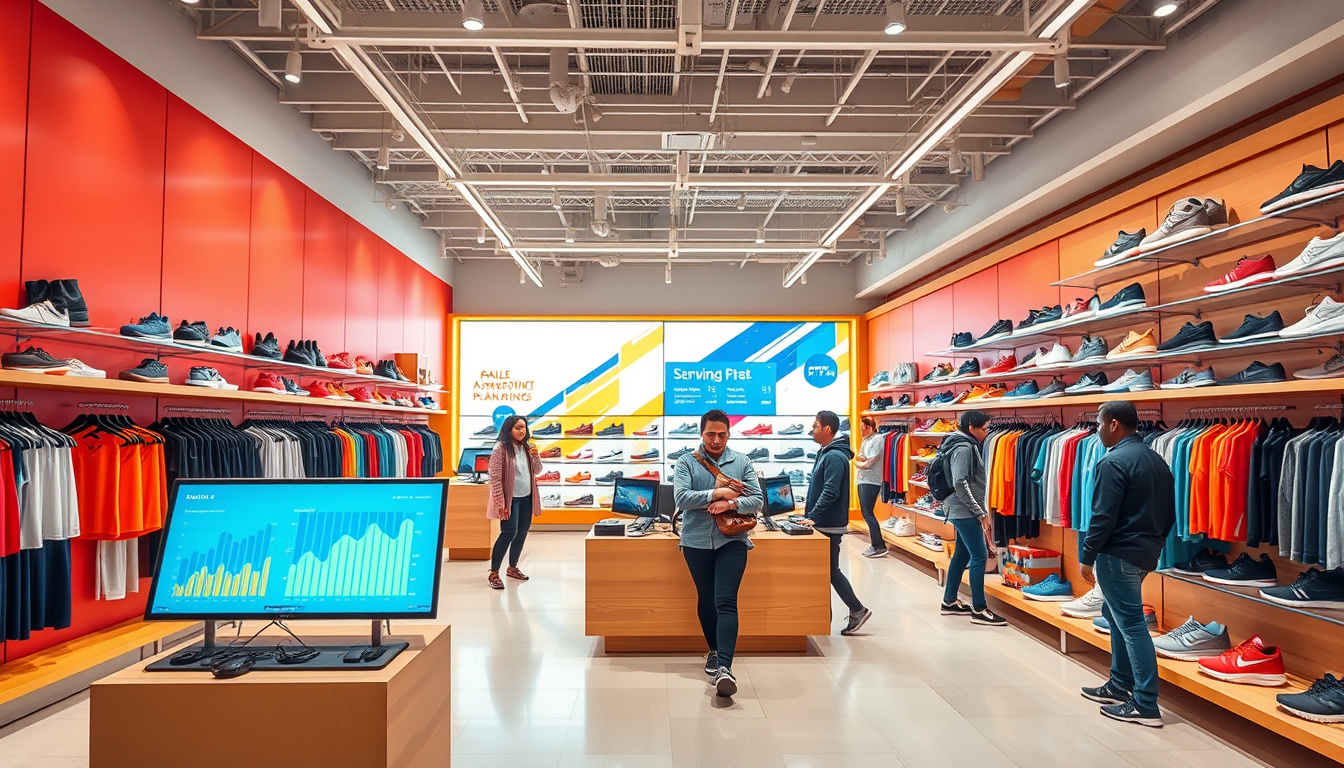
JD Sports Fashion is a part of the global British athletic group JD Sports. The company now adds AI to its plan for selecting stock. It uses data and smart machines to run quickly. JD Sports plans to fix its stock rules and strengthen its supply chain as it grows.

Embracing AI for Growth

JD Sports Fashion runs over 970 stores in the United Kingdom and Europe. The firm now uses an AI supply chain tool made by o9. This step helps the store mix work better, cut down on price cuts, and raise store profit.

Wim van Aalst, Chief Supply Chain Officer of JD Sports Fashion, said, "Our area moves fast. We build a quick product mix for local taste and deliver it with speed. This plan helps us stay ahead of rivals." The work with o9 fits well with their plan.

Goals and Expectations

The o9 system will run on the JD Sports Fashion, Size?, and HIP brands. This change forms part of a plan to lock down operations when risks come and new chances show up in retail. Chakri Gottemukkala, co-founder and CEO of o9, said his team shares the goal to build quick growth as JD Sports grows worldwide.

Broader Technological Transformations

Other groups in JD Sports also use new tools. DTLR, a store for youth activewear, and Shoe Palace, which sells shoes and clothes, bring in cloud and AI tools for their supply chains. These brands use Jumpmind Commerce and Inventory on Android devices to help customer talks and work at 450 shops.

In Canada, JD Sports runs a cloud-based Retail Management Suite by Jesta I.S. The system brings endless aisle stock, real-time stock tracking, and a smart order system. It helps JD Sports Canada join stock from warehouses and marketplace sellers.

Conclusion

JD Sports started in 1981 and now has more than 3,000 stores in 32 regions. The use of new tech, like AI in stock planning, marks a clear shift in how the firm works to improve operations and care for customers. As JD Sports moves ahead, its focus on new ideas and a quick supply chain will help secure its growth in a tough market.

Empowering Women in Pakistan: The Transformative Power of a Virtual AI Fashion Show

Empowering Women in Pakistan: The Transformative Power of a Virtual AI Fashion Show

AI Fashion Show Empowers Women in Pakistan Through Digital Access

May 7, 2025 – Women in Pakistan face many challenges when using digital services. Research shows that they own mobile phones 38% less than men. The gap stops them from joining work, school, and social life. A new AI fashion show reveals that digital tools can support women in work and society.

Bridging the Digital Divide

Pakistan leads South Asia in mobile use. The nation has almost 196 million users and a phone rate close to 80%. Yet many women stay away from these services. This gap stops them from joining schools, banks, or jobs. Social rules keep them from growing in steps that many men take.

The GSMA Mobile Gender Gap Report 2024 shows that many men have phones. Just 33% of women use mobile internet, compared with 53% of men. Costs, reading skills, and local customs widen this gap. Programs now try hard to fill it while giving more skills to women.

Initiatives Making a Difference

New plans try to close the gap. Rules, local groups, and private firms work side by side in this change. Some programs teach computer skills and money management. Mobile companies now start low-cost services for women so they can use digital tools in daily tasks.

One program is Ba-Ikhtiar. It is run by Pakistan Telecommunications Company Limited (PTCL) with partners such as the Pakistan Poverty Alleviation Fund and Daraz. The group gives smartphones and trains women from rural areas. It teaches them to run online shops and handle money matters. About 79% of the women complete the course, and many now sell crafts online without needing middlemen.

AI-Powered Fashion Show: A Milestone Moment

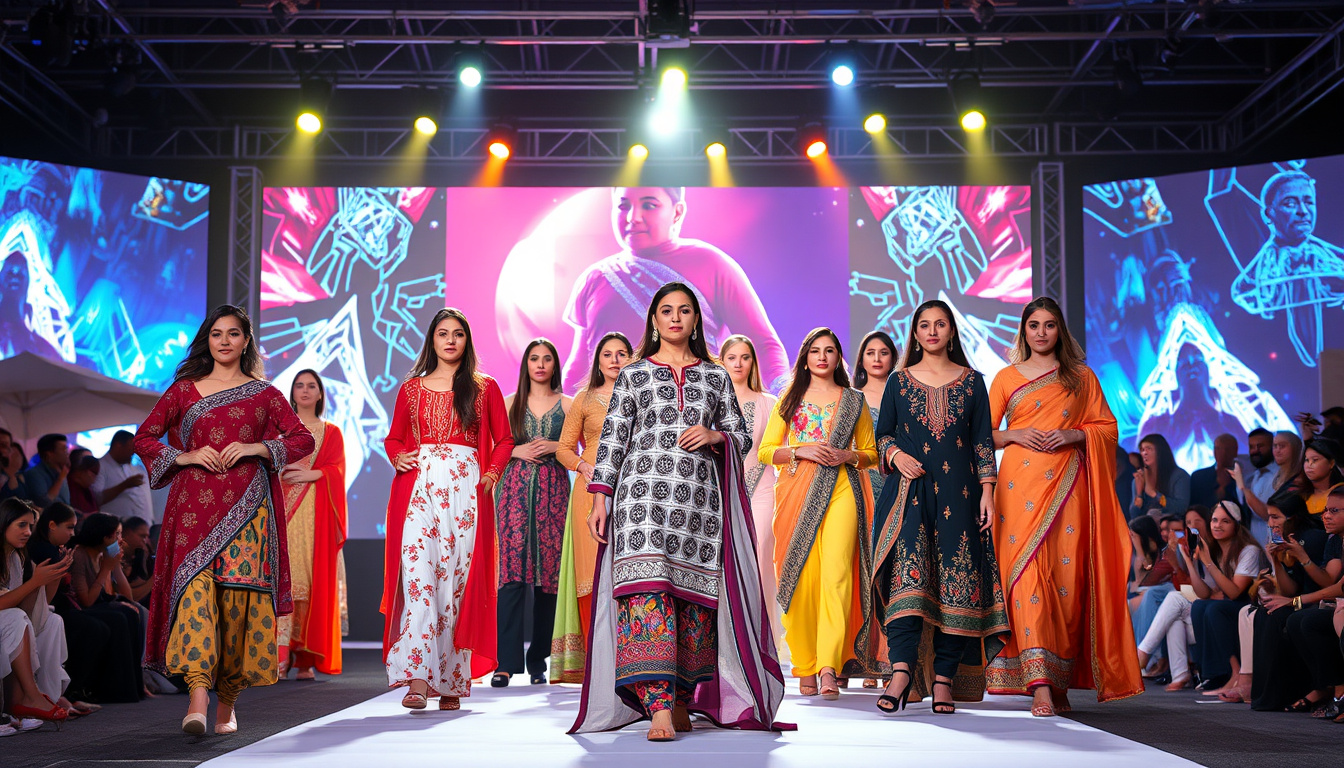
Ba-Ikhtiar ended with Pakistan’s first AI fashion show, where the art and tech came very close. The event showed local female makers as they had AI models wear the clothes they designed. The mix of old ways and new tech helped women join world markets and prove their skill on a modern stage. In one clear moment, the show proved that when women get digital tools and support, they can lead in online work and bring fresh ideas to many fields.

Looking Ahead

The AI fashion show is more than a grand event. It shows that Pakistan lives through change as digital tools help shift social roles. Now, Ba-Ikhtiar will grow to reach 20 districts and aims to train over 2,000 women in the next 18 months. Pakistan looks to its digital future with care while giving women a hand as main players rather than as bystanders. Ongoing plans teach computer skills and bring more access, which helps shrink the gap between genders and spread the gains of digital change.

With these plans that join tech and support, both men and women can work together to build a fair and rich Pakistan.

Empowering Women in Pakistan: How an AI Fashion Show is Bridging the Digital Divide and Transforming Lives

Empowering Women in Pakistan: How an AI Fashion Show is Bridging the Digital Divide and Transforming Lives

AI Fashion Show Highlights Women’s Empowerment in Pakistan

Bridging the Digital Divide

On May 7, 2025, an AI fashion show took place in Pakistan. The show joined modern tech with women’s strength. It proved that digital tools help change lives. Women can start small businesses and lift their social and work lives when they use these tools.

The Digital Gender Gap in Pakistan

Pakistan leads in mobile phone use in South Asia. The country has about 196 million subscribers with nearly 80% phone density. Yet, women have fewer phones. They are 38% less likely to own a mobile phone than men. Only about 33% of women use mobile internet. This gap stops them from using many services that can add to their social and work lives.

The limits come from high costs, low school skills, and social rules that keep women from tech use. Fewer chances to learn digital work make it hard for them to join tech use fully. Fixing these limits does not simply add access; it opens new work paths for all.

The Need for Digital Inclusion

Data from the GSMA Mobile Gender Gap Report 2024 shows that few tech tools in women’s hands lower their role in work and society. With less access to school, jobs, and finance, many women watch options slip away. Actions are rising at both government and local levels. Groups now push for tech learning, bank support, and new mobile plans aimed at women. These steps help women break old patterns and create new work paths.

The Ba-Ikhtiar Programme’s Impact

A project named Ba-Ikhtiar leads progress. PTCL starts the project with help from groups like the Pakistan Poverty Alleviation Fund, National Rural Support Programme, U Microfinance Bank, and Daraz. Ba-Ikhtiar gives women in far and low-service areas smart phones, digital wallets, and guides on online trade and money matters.

Many women, who had no phone before, now run online shops, sell handmade goods directly, and work without middlemen. The project will soon reach areas hit by floods and change training to work better with local needs. This shows that with the right tools, women can work well in the tech scene and win.

Celebrating Female Talent Through Innovation

The AI fashion show came from the work of Ba-Ikhtiar. It gave a stage to women craftswomen. The show mixed old skills with new AI powers. AI models wore clothes made by the women. This act let the artisans share their work with a wide crowd. The event was more than a display of style. It gave the women a way to show their skill without limits in place by distance or cost. With digital help, they take charge in the tech work scene.

A Vision For the Future

Pakistan moves toward digital care for all. Projects like Ba-Ikhtiar point to what can happen when tech meets support. Plans now aim to cover 20 districts, even in areas hit by disasters, to help more than 2,000 women in the next 18 months.

The future plan sees women as active doers in Pakistan’s growing tech work scene. As digital tech grows, every role helps build a fair and secure future for men and women alike. The AI fashion show marks one step in a wider move to join women to the digital world—a step that helps the entire society.

Affiliate Disclosure: FashionNewsGF.com is a participant in the Amazon Services LLC Associates Program, an affiliate advertising program designed to provide a means for sites to earn advertising fees by advertising and linking to Amazon.com. As an Amazon Associate we earn from qualifying purchases. Learn more