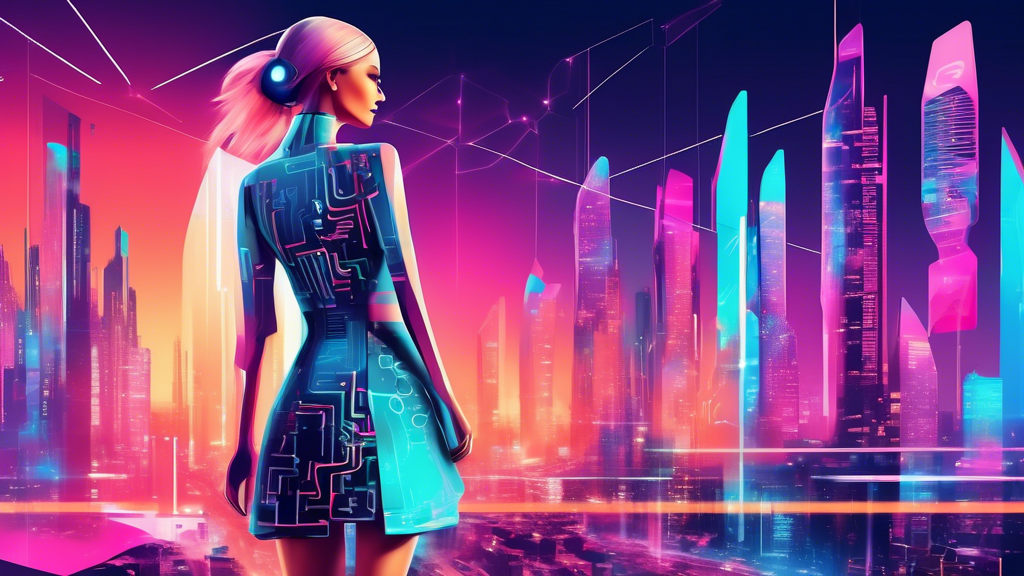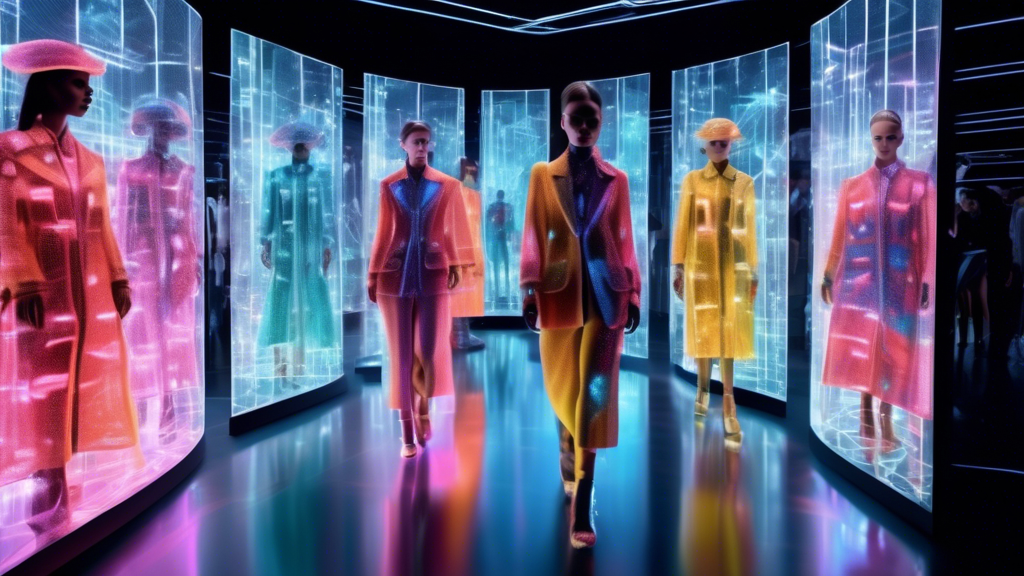
Will AI-Generated Beauty Queens Replace Human Models?

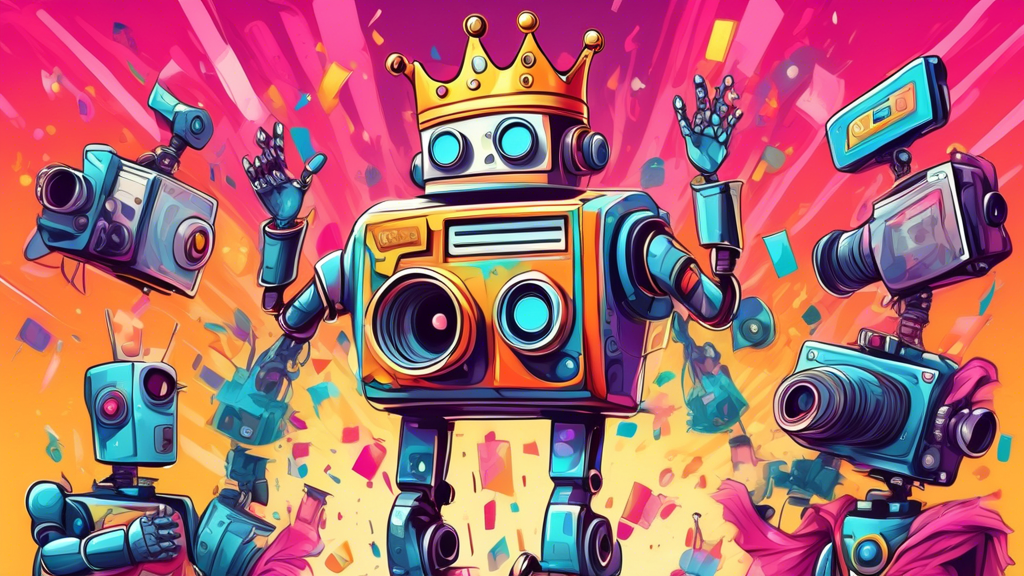
A robot wearing a beauty queen sash and crown, surrounded by photographers and flashing cameras

The world gasped as immaculately-crafted faces, sculpted by algorithms and draped in digital couture, began gracing our screens. AI-generated models, with their flawless features and ethereal beauty, sparked a debate: are we witnessing the dawn of a new era in beauty and fashion, one where pixels replace people?

The Rise of the Digital Muse

The technology behind these virtual beings is undeniably impressive. Artificial intelligence, fueled by massive datasets of images and sophisticated algorithms, can now generate photorealistic images of human faces that are eerily realistic and undeniably captivating. These AI-generated models, often customized to embody specific ethnicities, body types, and aesthetic preferences, are becoming increasingly popular in advertising campaigns, fashion editorials, and even on social media.

Proponents of AI models point to their versatility and cost-effectiveness. Need a model who embodies a specific brand identity? An algorithm can generate dozens of options in minutes, each tailored to your specifications. Want to avoid the logistical complexities and costs associated with human models? AI offers a streamlined, always-on alternative.

The Human Element: Irreplaceable or Outdated?

However, amidst the excitement and apprehension surrounding AI models, a crucial question emerges: can algorithms truly replicate the depth, emotion, and storytelling prowess of human models?

Human models bring more than just their physical attributes to a shoot. They bring personality, experience, and a nuanced understanding of how to connect with an audience. They can channel emotions, embody characters, and tell stories through their expressions and poses, something that AI, at least for now, struggles to replicate convincingly.

Furthermore, the fashion industry thrives on human connection. Designers draw inspiration from real people, their stories, and their unique sense of style. Stylists, photographers, and makeup artists collaborate with models to create a cohesive vision, feeding off each other’s energy and creativity. This collaborative and deeply human element is fundamental to the industry’s artistic soul, and it’s a dimension that AI, despite its technical prowess, cannot easily replicate.

Beyond the Surface: Ethical Considerations

The rise of AI models also raises a plethora of ethical considerations that extend beyond the realm of aesthetics. One pressing concern is the potential for bias amplification. AI algorithms are trained on massive datasets of images, and if these datasets aren’t carefully curated for diversity and inclusivity, the resulting AI models can perpetuate and even exacerbate existing societal biases.

Imagine an AI trained predominantly on images of fair-skinned models. This AI might struggle to generate realistic or appealing images of darker-skinned individuals, further marginalizing communities that are already underrepresented in the media. Addressing this inherent bias in AI development is crucial to prevent further entrenching harmful stereotypes.

Another ethical concern revolves around the potential economic impact on human models. If AI models become the industry standard, what happens to the livelihoods of the countless individuals who rely on modeling as a profession? The transition to an AI-driven industry could displace workers and exacerbate economic inequalities, requiring careful consideration and proactive solutions.

The Future of Beauty: A Collaborative Canvas?

The relationship between AI and human models is complex and constantly evolving. Rather than viewing it as a zero-sum game, where one replaces the other, it’s more constructive to envision a future where AI and human models co-exist, each playing to their strengths.

AI can serve as a powerful tool for designers and brands, enabling them to experiment with different looks, create virtual prototypes, and even personalize their marketing efforts. Imagine a world where customers can see themselves wearing digital versions of clothes before purchasing, or where brands can generate personalized advertising campaigns featuring AI models tailored to specific demographics.

Human models, with their irreplaceable ability to connect, inspire, and tell stories, will continue to play a vital role in the fashion ecosystem. They can leverage the power of AI to enhance their own work, using virtual tools to experiment with different poses and expressions, or even collaborating with AI-generated elements in photoshoots and campaigns.

The Verdict: Evolution, Not Extinction

So, will AI-generated beauty queens replace human models? The answer, like the technology itself, is nuanced. AI will undoubtedly continue to reshape the fashion landscape, offering exciting new possibilities for creativity and efficiency. However, the human element—the emotional depth, the storytelling prowess, the collaborative spirit—remains irreplaceable.

The future of beauty and fashion lies not in replacing humans with algorithms, but in harnessing the power of both. AI can be a valuable tool for amplification and innovation, but it’s the human heart, the unique spark of individuality, that will continue to captivate and inspire audiences worldwide.

Generative AI chatbot for Style DNA suggests outfits based on your color type

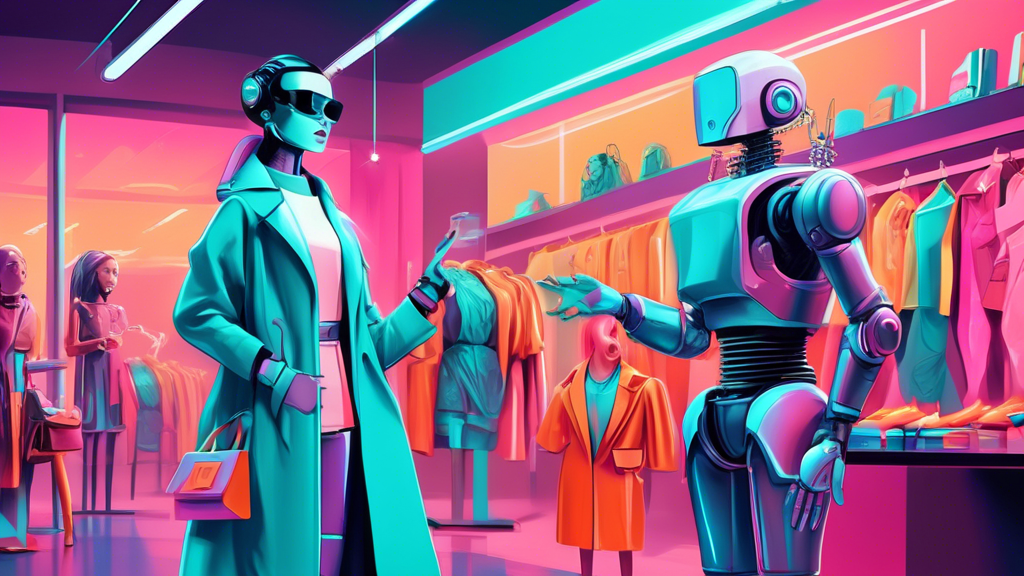
A friendly AI chatbot with a colorful DNA strand for a head suggests stylish outfit options to a person based on their color palette.

Tired of Staring at a Closet Full of Clothes With Nothing to Wear? This Generative AI Chatbot Might Be the Answer

We’ve all been there. It’s a special occasion, you want to look your best, but the perfect outfit seems eternally elusive. You might try on endless combinations, only to feel frustrated and disheartened. The struggle is real, but what if there was a way to eliminate the guesswork from getting dressed?

Enter the age of AI, where innovative technology is changing how we approach fashion. While AI’s foray into the fashion world is still relatively new, one area shows immense promise: AI styling assistants. These intelligent tools go beyond recommending generic outfits – they delve into your unique style preferences to provide hyper-personalized recommendations. One such innovation is the generative AI chatbot that suggests outfits based on your color type.

Decoding Your Style DNA with Color Analysis

This isn’t just another algorithm shuffling through generic outfit photos. This AI goes deeper, incorporating the principles of color analysis, a technique long used by stylists to identify the colors that harmonize best with an individual’s natural coloring. This analysis considers your hair color, skin tone, and eye color, categorizing you into one of the four seasons: Spring, Summer, Autumn, or Winter.

Each season represents a different palette of colors that complement each other and enhance your natural beauty. For example:

* **Spring:** Warm and bright colors like coral, peach, turquoise, and golden yellow.
* **Summer:** Cool and muted colors such as powder blue, rose pink, lavender, and soft gray.
* **Autumn:** Rich and earthy colors like olive green, burnt orange, mustard yellow, and deep teal.
* **Winter:** Cool and bold colors like emerald green, royal blue, ruby red, and charcoal gray.

Traditionally, color analysis required an in-person consultation with a trained stylist. But with an AI-powered tool, this personalization becomes accessible from the comfort of your home.

Bridging the Gap Between AI and Personal Style

So, how does it actually work? This is where the magic of generative AI comes into play. The process generally involves these steps:

1. **Data Input:** You provide the AI with information about your coloring – hair color, eye color, and skin tone. Some platforms might also allow you to upload a photo for more accurate analysis.
2. **Color Analysis:** The AI processes this information, using its knowledge base to determine your most flattering color palette, aligning with the principles of the four-season color system.
3. **Generative Recommendations:** Here’s where the ‘generative’ aspect shines. The AI doesn’t just pull pre-existing outfits from a database. Instead, it uses your color palette to generate unique outfit suggestions, often incorporating clothing items from your wardrobe (if you choose to provide that information) or suggesting pieces available online.

Benefits Beyond a Curated Closet

The allure of a personalized AI stylist extends beyond simply finding clothes that look good on. Here’s how this technology is changing the fashion game:

* **Increased Confidence:** Knowing your colors can drastically boost your confidence. When you wear colors that complement your natural features, you automatically look and feel more vibrant and radiant.
* **Reduced Decision Fatigue:** Saying goodbye to the endless cycle of what to wear can free up mental space and reduce decision fatigue, leaving you more energy for other things in life.
* **Sustainable Choices:** Many AI styling tools incorporate elements of sustainable fashion, encouraging users to shop their wardrobes and make conscious choices when buying new pieces. This aligns with the growing movement towards mindful consumption in the fashion industry.

The Future of Fashion: A Seamless Blend of Technology and Style

The development of generative AI chatbots for style recommendations marks an exciting chapter in the evolution of fashion. As AI technology becomes increasingly sophisticated, we can expect even more personalized and intuitive experiences. Imagine an AI that understands not just your color type but also your body shape, personal style preferences, and even the occasion for which you’re dressing!

While human stylists will always hold a unique place in the world of fashion, AI styling assistants offer an accessible and personalized way for everyone to explore their style and unlock their full fashion potential. So, if you’re ready to say goodbye to wardrobe woes and embrace a future of effortless style, an AI stylist might be your new secret weapon.

Platforms for AI Fashion Models

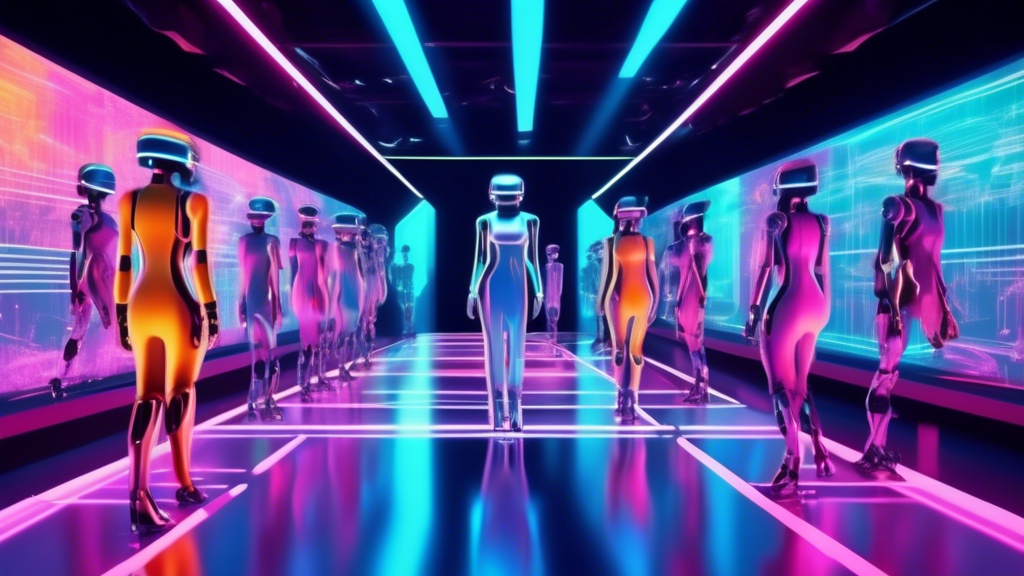
A futuristic fashion show runway with AI robots as models, wearing digital clothing on a glowing platform with a holographic backdrop.

Introduction to AI Fashion Models

The fashion industry is no stranger to innovation. From the invention of the sewing machine to the rise of e-commerce, fashion has always adapted to technological advancements. Today, a new wave of technology is poised to transform the industry once again: artificial intelligence (AI). Specifically, AI fashion models are emerging as a powerful force, challenging traditional norms and opening doors to new possibilities.

What are AI Fashion Models?

AI fashion models are not human beings but rather digital creations powered by complex algorithms. These algorithms are trained on massive datasets of images, learning to generate realistic and diverse representations of human models. These AI-generated models can be customized across a spectrum of features including:

  • Ethnicity
  • Body type
  • Age
  • Poses
  • Hairstyles
  • Clothing
  • Accessories

This level of customization allows brands to showcase their products in a highly targeted and engaging way.

The Benefits of Using AI Fashion Models

The adoption of AI fashion models brings a range of benefits to the fashion industry:

1. Cost-Effectiveness

Traditional photoshoots involve numerous expenses, including model fees, photographer fees, location rentals, styling, and post-production. AI fashion models drastically reduce these costs. Once the initial AI development is complete, generating new images becomes significantly more affordable.

2. Efficiency and Speed

AI fashion models streamline the creative process. Brands can instantly generate images with various model appearances, outfits, and settings without waiting for scheduling and photoshoots. This accelerates time-to-market, allowing for agile responses to trends and customer demands.

3. Diversity and Inclusion

AI fashion models have the potential to promote diversity and inclusivity in fashion imagery. They can be programmed to represent a wider range of ethnicities, body types, and ages, breaking away from conventional beauty standards and catering to a more diverse customer base.

4. Sustainability

By reducing the need for physical photoshoots, AI models contribute to a more sustainable fashion industry. Fewer photoshoots translate to less travel, reduced waste from sets and samples, and a lower carbon footprint overall.

5. Personalization

AI opens doors for personalized fashion experiences. Imagine shoppers being able to see clothes on virtual models that resemble their own body types and ethnicities. This level of personalization can enhance customer satisfaction and drive sales conversions.

Leading Platforms for AI Fashion Models

A growing number of platforms are emerging to cater to the rising demand for AI fashion models. Here’s a closer look at some of the leading players:

1. [Platform Name 1]

[Provide a description of the platform’s features, strengths, pricing, and target audience.]

2. [Platform Name 2]

[Provide a description of the platform’s features, strengths, pricing, and target audience.]

3. [Platform Name 3]

[Provide a description of the platform’s features, strengths, pricing, and target audience.]

The Future of AI in Fashion

The integration of AI in the fashion industry is still in its early stages, but the potential is immense. As AI technology continues to advance, we can expect even more sophisticated and realistic AI fashion models. Beyond static images, we may see AI-powered models in virtual fashion shows, augmented reality experiences, and personalized shopping apps.

Ethical Considerations

The rise of AI fashion models also brings forth important ethical considerations.

  • Job displacement: There are concerns that AI models might replace human models, potentially impacting livelihoods in the industry.
  • Representation and bias: It’s crucial to ensure that AI models are developed and used in a way that promotes diversity and avoids perpetuating harmful stereotypes.
  • Transparency and disclosure: Brands using AI models should be transparent with their audiences to maintain trust and authenticity.

Addressing these ethical considerations proactively will be vital to harnessing the full potential of AI in fashion responsibly and inclusively.

Conclusion

AI fashion models are revolutionizing the fashion landscape, offering a compelling blend of creativity, efficiency, and inclusivity. While there are ethical considerations to address, the potential benefits are undeniable. As AI technology evolves and matures, we can anticipate even more transformative applications that will reshape how we design, experience, and consume fashion.

AI Powers Fast Fashion Collaboration Between NTX Registered and SHEIN

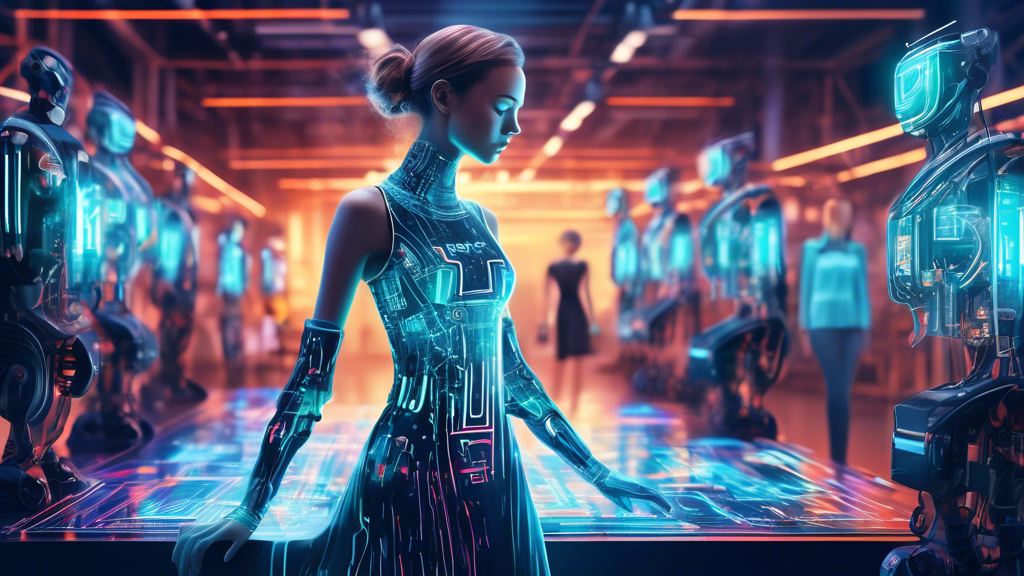
A robot and a fashion designer collaborating on a futuristic dress with glowing circuits, using a digital interface, against a backdrop of fast-moving clothing production lines and flashing NTX and SH

A Fashion Revolution Fueled by Artificial Intelligence

In the ever-evolving world of fashion, speed and innovation are paramount. The rise of fast fashion has revolutionized how we consume clothing, demanding rapid design turnovers and trend adaptation. At the forefront of this revolution stands SHEIN, a global e-commerce giant renowned for its lightning-fast production and on-trend apparel. Now, SHEIN is taking its commitment to innovation a step further, partnering with NTX Registered, a cutting-edge technology provider, to harness the power of artificial intelligence (AI) in a groundbreaking collaboration set to reshape the future of fashion.

NTX Registered: Pioneering AI Solutions for the Fashion Industry

NTX Registered is a leading force in the AI revolution, developing innovative solutions that empower businesses to optimize their operations and unlock new possibilities. Their expertise lies in leveraging the power of data and machine learning algorithms to deliver actionable insights and streamline complex processes. In the realm of fashion, NTX Registered has emerged as a game-changer, providing AI-driven tools that are transforming how garments are designed, manufactured, and brought to market.

The Synergy of AI and Fast Fashion: A Match Made in Tech Heaven

The collaboration between SHEIN and NTX Registered represents a natural synergy between two industry leaders driven by innovation and a deep understanding of consumer desires. SHEIN, with its finger on the pulse of global fashion trends, constantly seeks ways to accelerate its design and production processes. NTX Registered, armed with its sophisticated AI algorithms, provides the tools to turn this vision into reality. This powerful partnership aims to leverage AI’s capabilities across various aspects of SHEIN’s operations, including:

1. Trend Prediction and Design Inspiration

One of the most significant advantages AI brings to the fashion industry is its ability to analyze vast amounts of data and identify emerging trends. NTX Registered’s AI algorithms can crawl through social media, fashion shows, and e-commerce platforms, gathering real-time insights into what consumers are loving, hating, and everything in between. By recognizing patterns and predicting upcoming trends, AI empowers SHEIN’s designers with data-driven inspiration, allowing them to create pieces that are guaranteed to resonate with their target audience.

2. Personalized Recommendations and Enhanced Customer Experience

AI’s ability to personalize experiences is transforming how we shop for clothes. NTX Registered’s technology enables SHEIN to analyze individual customer preferences, purchase history, and browsing behavior to provide highly tailored recommendations. This level of personalization enhances the customer experience, making it easier for shoppers to discover styles they’ll love and reducing the likelihood of returns.

3. Streamlined Production and Reduced Waste

Fast fashion has often faced criticism for its environmental impact. SHEIN is committed to addressing this concern by implementing sustainable practices throughout its supply chain. NTX Registered’s AI algorithms contribute to this effort by optimizing production processes, minimizing waste, and reducing the environmental footprint. By accurately predicting demand and optimizing fabric utilization, AI helps SHEIN produce only what is needed, minimizing excess inventory and waste.

4. Agile Supply Chain Management

In the fast-paced world of fashion, agility is key. NTX Registered’s AI solutions provide SHEIN with real-time visibility into its supply chain, allowing for proactive decision-making and efficient inventory management. By optimizing logistics, streamlining communication, and predicting potential disruptions, AI ensures that SHEIN can respond swiftly to changing market demands and maintain its competitive edge.

The Future of Fashion: An AI-Powered Runway

The collaboration between SHEIN and NTX Registered is a testament to the transformative power of AI in the fashion industry. By embracing these cutting-edge technologies, SHEIN is not only solidifying its position as a leader in fast fashion but also paving the way for a more sustainable and customer-centric future. As AI continues to evolve, we can expect to see even more innovative applications in fashion, from virtual styling assistants to on-demand clothing production. The runway is set, and AI is poised to revolutionize how we design, manufacture, and experience fashion.

The Ethical Considerations of AI in Fashion

While the potential benefits of AI in fashion are undeniable, it is crucial to acknowledge and address the ethical considerations that arise alongside these advancements. One primary concern revolves around data privacy and security. As AI relies heavily on collecting and analyzing vast amounts of consumer data, ensuring the responsible and ethical use of this information is paramount. SHEIN and NTX Registered must prioritize data protection measures, transparency with consumers, and compliance with relevant privacy regulations.

Another ethical consideration is the potential for AI to perpetuate biases present in the data it is trained on. If not carefully addressed, this could lead to discriminatory outcomes, such as algorithms favoring certain body types or ethnicities. It is essential to ensure that AI models are developed and trained using diverse and representative datasets to mitigate bias and promote inclusivity in fashion.

Lastly, the impact of AI on employment in the fashion industry requires careful consideration. While some fear job displacement, it is more likely that AI will augment human capabilities, freeing up designers and workers to focus on higher-level creative and strategic tasks. SHEIN and NTX Registered have a responsibility to invest in upskilling and reskilling programs for their workforce to ensure a smooth transition into this AI-powered future.

A Fashion-Forward Partnership

The collaboration between SHEIN and NTX Registered marks a significant milestone in the evolution of the fashion industry. By harnessing the power of AI, SHEIN is poised to further enhance its customer experience, optimize its operations, and drive innovation in the fast-fashion landscape. However, it is crucial that this technological advancement is approached responsibly, addressing ethical considerations and ensuring that AI is used to create a more sustainable, inclusive, and equitable fashion future for all.

AI-Powered Fashion: SpreeAI’s Innovative Approach

A fashionable woman using an AI interface to design a dress, with a futuristic city backdrop and the words SpreeAI incorporated.

Redefining Fashion Consumption with AI: A Look into SpreeAI’s Innovative Approach

The fashion industry, known for its dynamic trends and ever-evolving consumer preferences, has found a powerful ally in artificial intelligence (AI). From personalized shopping experiences to streamlined supply chains, AI is transforming the way we interact with fashion. At the forefront of this revolution stands SpreeAI, a company leveraging AI’s potential to redefine fashion consumption and empower both shoppers and businesses.

SpreeAI: Where Fashion Meets Artificial Intelligence

SpreeAI is not just another fashion tech company; it’s a sophisticated AI engine built to decode the complexities of the fashion landscape. By harnessing the power of machine learning and computer vision, SpreeAI provides a range of solutions designed to personalize the fashion experience and optimize business operations.

Revolutionizing the Shopping Experience: Personalized Recommendations and Visual Search

Imagine browsing through an online store that speaks directly to your style preferences, offering recommendations tailored to your individual taste. SpreeAI makes this a reality through its advanced personalization engine. By analyzing user data points such as browsing history, purchase patterns, and even social media activity, SpreeAI creates a unique fashion profile for each user. This allows the platform to curate a personalized shopping journey, suggesting items that resonate with the individual’s style, body type, and budget.

But SpreeAI’s innovation doesn’t stop at personalized recommendations. Their visual search capability is changing the way we search for fashion inspiration. Ever stumbled upon a stunning outfit on social media but had no idea where to find it? SpreeAI’s visual search allows users to upload an image of any garment or outfit and instantly receive visually similar products available across various online retailers. This eliminates the frustration of keyword searches and opens a new world of possibilities for discovering and purchasing fashion items.

Empowering Businesses: Data-Driven Insights and Enhanced Operations

The benefits of SpreeAI extend far beyond the consumer-facing side. The platform offers invaluable tools for fashion brands and retailers, providing them with data-driven insights to make informed decisions and streamline their operations.

SpreeAI’s analytics dashboard gives businesses a comprehensive view of consumer behavior and market trends. By understanding what styles are trending, what customers are looking for, and how different demographics interact with their brand, companies can optimize their inventory, marketing strategies, and even product development. This data-driven approach minimizes waste, reduces costs, and ensures that businesses stay ahead of the ever-changing fashion landscape.

The Future of Fashion: Sustainable and Inclusive with AI

SpreeAI’s vision goes beyond revolutionizing how we shop for and sell fashion; they are committed to building a more sustainable and inclusive fashion industry.

By promoting mindful consumption through personalized recommendations and reducing overproduction through data-driven insights, SpreeAI contributes to minimizing fashion’s environmental impact. Additionally, their platform promotes size inclusivity by allowing users to refine searches based on their specific measurements, ensuring a diverse range of body types are represented.

The SpreeAI Advantage: A Summary of Key Benefits

To encapsulate the transformative impact of SpreeAI, let’s delve into the key benefits offered to both consumers and businesses:

For Consumers:

  • Personalized Shopping: Receive tailored recommendations based on your unique style, preferences, and body type.
  • Effortless Discovery: Find the exact items you desire with the help of intuitive visual search technology.
  • Seamless Experience: Enjoy a user-friendly platform designed to enhance your online shopping experience.

For Businesses:

  • Data-Driven Decisions: Gain access to invaluable insights into consumer behavior and market trends.
  • Enhanced Efficiency: Optimize inventory management, marketing strategies, and product development.
  • Sustainable Practices: Minimize waste and reduce environmental impact through informed decision-making.

SpreeAI: Shaping the Future of Fashion

In a world driven by innovation and technological advancements, SpreeAI stands as a pioneer, harnessing the power of AI to reshape the fashion industry for the better. With its commitment to personalization, sustainability, and inclusivity, SpreeAI is not just changing how we shop for clothes – it’s shaping the future of fashion consumption itself.

AI Imagines the Future of Chanel, Testing Potential Creative Directors Through Joor’s Platform

A futuristic fashion show with Chanel designs generated by artificial intelligence displayed on transparent screens, while silhouettes of potential creative directors are being evaluated by AI algorit

The fashion world is no stranger to reinvention, constantly evolving with each passing season. Yet, the question of legacy, particularly for iconic brands like Chanel, looms large. How does a fashion house steeped in history embrace the future without losing its essence? One intriguing possibility lies at the intersection of fashion and technology: Artificial Intelligence.

AI as Creative Director: A Bold Experiment

Imagine a world where AI algorithms, trained on decades of Chanel designs, could generate fresh collections, capturing the brand’s DNA while pushing creative boundaries. This isn’t science fiction; it’s a potential future being explored through innovative collaborations between fashion houses and tech companies.

One such exploration involves Joor, a leading wholesale platform for fashion brands, and its foray into AI-driven design. While the specifics of Chanel’s involvement remain under wraps, the concept itself is captivating. By leveraging Joor’s platform and its potential AI capabilities, Chanel could theoretically test the waters of AI-generated designs.

How AI Could Reimagine Chanel’s Aesthetics

The possibilities are as vast as the imagination itself. AI, fed with Chanel’s extensive archives, could analyze patterns, silhouettes, and signature elements, identifying the subtle nuances that define the brand’s aesthetic. This deep learning could then be used to generate:

  • **New Takes on Classic Designs:** Imagine AI reinterpreting the iconic Chanel tweed suit, preserving its elegance while introducing modern cuts, colors, or embellishments.
  • **Innovative Fabric and Material Combinations:** AI could analyze textile trends and predict future materials, leading to unexpected and groundbreaking combinations that align with Chanel’s commitment to luxury and innovation.
  • **Personalized Haute Couture:** Imagine AI creating bespoke designs based on individual client preferences, body types, and style profiles. This level of personalization could revolutionize the world of haute couture.

Joor’s Platform: The Bridge Between AI and Fashion

Joor’s role in this potential partnership is crucial. As a platform connecting brands and retailers, Joor has access to vast amounts of data on consumer preferences, sales trends, and market analysis. Combined with AI, this data becomes a powerful tool for understanding what resonates with today’s luxury consumers.

Joor’s platform could also facilitate the testing and feedback process. AI-generated designs could be shared with select buyers and industry insiders, gathering valuable insights and gauging market reception before any physical production takes place. This data-driven approach minimizes risk while maximizing creative exploration.

Beyond Design: AI’s Potential Impact on the Entire Fashion Ecosystem

The implications of AI in fashion extend far beyond design. AI could revolutionize other aspects of the industry, including:

  • **Trend Forecasting:** By analyzing social media, runway shows, and consumer data, AI could predict upcoming trends with greater accuracy, aiding designers and brands in staying ahead of the curve.
  • **Supply Chain Management:** AI could optimize production processes, reduce waste, and improve efficiency throughout the supply chain, leading to a more sustainable and ethical fashion industry.
  • **Personalized Marketing and Customer Service:** AI-powered chatbots and personalized recommendations could enhance customer experiences, fostering brand loyalty in the competitive luxury market.

The Human Element: Essential in the Age of AI

While the potential of AI in fashion is undeniable, it’s crucial to remember that technology is a tool, not a replacement for human creativity and intuition. The role of the designer, the artisan, and the creative visionaries behind the brand remains paramount.

AI, in this context, acts as a powerful collaborator, augmenting human capabilities and pushing the boundaries of what’s possible. The future of fashion, it seems, lies in the harmonious partnership between human ingenuity and technological advancement.

A Legacy Reinvented: Chanel Embracing the Future

Chanel, with its legacy of innovation and daring creativity, seems uniquely positioned to explore the potential of AI in fashion. While the specifics of any partnership with Joor remain speculative, the very idea speaks volumes about the industry’s willingness to embrace the future.

Will we see AI-designed Chanel collections gracing the runways in the near future? Perhaps. But one thing is certain: the conversation has begun. The boundaries between fashion and technology are blurring, and the possibilities are as limitless as the human imagination itself.

Bewakoof Teams Up with Google Cloud for Personalized T-Shirt Design Experience

A smiling person wearing a custom-designed t-shirt, with a Google Cloud logo on the sleeve and Bewakoof incorporated into the design, against a backdrop of colorful t-shirt designs and data clouds.

In a move set to revolutionize personalized fashion, popular Indian lifestyle brand Bewakoof has announced a strategic partnership with Google Cloud. This collaboration will leverage the power of Google Cloud’s cutting-edge technologies to offer customers a unique and immersive t-shirt design experience tailored to their individual preferences.

Unleashing the Power of Personalization

Personalization is no longer a mere trend; it’s the new norm. Consumers today crave unique products that reflect their individuality, and Bewakoof recognizes this evolving demand. By teaming up with Google Cloud, Bewakoof aims to empower customers with the tools to unleash their creativity and design t-shirts that truly represent their personal style.

Gone are the days of settling for generic designs and limited options. The partnership will harness the capabilities of Google Cloud’s AI and machine learning algorithms to create a personalized design journey for each customer. From choosing colors and patterns to adding text and graphics, every step of the process will be infused with intelligent recommendations and suggestions, making designing a t-shirt an engaging and intuitive experience.

A Seamless and Intuitive Design Interface

Bewakoof understands that not everyone is a design expert. That’s why the collaboration will focus on developing a user-friendly design interface powered by Google Cloud’s intuitive technology. Customers will be guided through the design process with ease, regardless of their technical expertise.

Imagine a design interface that understands your style preferences. By analyzing your past purchases, browsing history, and social media activity, Google Cloud’s AI algorithms will be able to curate design suggestions that resonate with your individual taste. Whether you prefer bold and quirky graphics or minimalist typography, the platform will present you with options that align with your unique aesthetic.

Empowering Creativity with AI

The partnership between Bewakoof and Google Cloud goes beyond basic customization. The integration of Google Cloud’s AI and machine learning technologies will unlock a realm of creative possibilities for customers.

  • AI-Powered Design Assistance: Not sure where to start? Google Cloud’s AI-powered design assistant will be your virtual stylist. Simply input your ideas, themes, or even just a few keywords, and the assistant will generate personalized design recommendations tailored to your preferences.
  • Smart Image Recognition: Upload an image that inspires you, and Google Cloud’s image recognition technology will identify key elements, colors, and patterns. These extracted elements can then be seamlessly integrated into your t-shirt design, creating a truly unique and personalized piece.
  • Seamless Text and Graphic Integration: Adding text and graphics to your design will be a breeze. The platform will offer a wide range of fonts, graphics, and design elements, all easily searchable and customizable to your liking.

Enhancing the Customer Experience

Beyond the realm of design, the partnership between Bewakoof and Google Cloud extends to enhancing the overall customer experience. Google Cloud’s robust infrastructure and data analytics capabilities will enable Bewakoof to:

  • Provide Personalized Recommendations: By analyzing customer data, Google Cloud can help Bewakoof offer personalized product recommendations, ensuring that customers are presented with t-shirt designs and styles that genuinely appeal to them.
  • Optimize Inventory Management: Google Cloud’s data analytics capabilities will provide valuable insights into customer preferences and buying patterns, enabling Bewakoof to optimize its inventory and ensure that popular designs and sizes are always in stock.
  • Deliver Seamless Customer Support: Google Cloud’s AI-powered chatbots can provide instant and efficient customer support, answering queries, resolving issues, and ensuring a smooth and satisfying shopping experience.

A Glimpse into the Future of Fashion

The collaboration between Bewakoof and Google Cloud signifies a paradigm shift in the fashion industry. By embracing cutting-edge technology, Bewakoof is paving the way for a future where personalized fashion is accessible to all. The partnership is a testament to the power of technology to not only enhance but also redefine the way we design, shop for, and experience fashion.

As the lines between technology and fashion continue to blur, we can expect to see even more innovative and personalized experiences in the future. With its commitment to innovation and customer-centricity, Bewakoof is well-positioned to lead the charge in this exciting new era of fashion.

Michael Kors First Retailer to Implement Mastercard’s AI Shopping Assistant

A stylish Michael Kors handbag with a friendly AI robot assistant emerging from a Mastercard logo, offering it to a happy shopper.

Michael Kors Becomes First Retailer to Implement Mastercard’s AI Shopping Assistant

Luxury Fashion Brand Partners with Mastercard to Enhance Online Shopping Experience

In a groundbreaking move that merges luxury fashion with cutting-edge technology, Michael Kors has become the first retailer to implement Mastercard’s revolutionary AI-powered shopping assistant. This strategic partnership aims to redefine the online shopping experience by offering customers personalized product recommendations, a seamless checkout process, and enhanced security features.

Mastercard’s AI Shopping Assistant: A Game-Changer in Online Retail

Mastercard’s AI shopping assistant is designed to revolutionize the way consumers shop online. Powered by advanced artificial intelligence and machine learning algorithms, the assistant acts as a virtual stylist, guiding customers through their shopping journey and providing a tailored experience that caters to their individual needs and preferences.

Key Features and Benefits for Michael Kors Customers:

The integration of Mastercard’s AI shopping assistant into the Michael Kors online platform offers a plethora of benefits for shoppers:

1. Personalized Product Recommendations:

The AI assistant analyzes browsing history, purchase patterns, and expressed preferences to curate a personalized selection of products that align with each customer’s unique style. This eliminates the need for endless scrolling and ensures that shoppers discover items they’ll truly love.

2. Effortless Style Advice and Outfit Suggestions:

Struggling to put together the perfect outfit? The AI assistant can provide expert style advice and suggest complementary pieces based on selected items or desired occasions. This feature simplifies the decision-making process and helps customers create cohesive and fashionable looks.

3. Secure and Streamlined Checkout:

Mastercard’s AI shopping assistant streamlines the checkout process by securely storing payment information and eliminating the need for manual data entry. This enhances security while providing a faster and more convenient checkout experience.

4. 24/7 Availability and Instant Support:

Available round the clock, the AI assistant provides instant answers to product-related queries, offers style guidance, and assists with order tracking. This ensures that customers have access to support whenever they need it, enhancing overall satisfaction.

Michael Kors: A Pioneer in Fashion and Technology

As a global leader in luxury fashion, Michael Kors has always been at the forefront of innovation, seamlessly blending style with technology. This partnership with Mastercard further solidifies the brand’s commitment to providing an unparalleled shopping experience for its discerning clientele.

A Glimpse into the Future of Online Shopping

The implementation of Mastercard’s AI shopping assistant marks a significant milestone in the evolution of online retail. By leveraging the power of artificial intelligence, Michael Kors is setting a new standard for personalized and engaging shopping experiences. As AI technology continues to advance, we can expect to see even more innovative applications that cater to the evolving needs of modern consumers.

A Strategic Partnership Poised for Success

The collaboration between Michael Kors and Mastercard is a testament to the transformative potential of technology in the retail industry. By combining Michael Kors’s expertise in luxury fashion with Mastercard’s cutting-edge AI capabilities, this partnership is well-positioned to redefine the future of online shopping.

Conclusion: A New Era of Luxury Shopping

Michael Kors’s adoption of Mastercard’s AI shopping assistant marks a pivotal moment in the luxury fashion industry. This strategic move not only enhances the online shopping experience for customers but also sets a precedent for other retailers looking to embrace the power of AI. As technology continues to shape the retail landscape, we can expect to see more innovative and personalized shopping experiences that cater to the evolving demands of modern consumers.

Azura’s AI Platform Aims to Accelerate Circular Fashion

A futuristic fashion designer studio with a holographic dress being designed by a robot arm and the words Circular Fashion projected on the wall.

Azura’s AI Platform Revolutionizes the Fashion Industry’s Sustainability Efforts

In a world grappling with the environmental impact of fast fashion, Azura emerges as a beacon of hope, leveraging the power of artificial intelligence to accelerate the transition towards a circular economy in the fashion industry. Their cutting-edge AI platform offers a comprehensive suite of solutions designed to optimize every stage of a garment’s lifecycle, minimizing waste, reducing resource consumption, and promoting sustainable practices.

Understanding the Urgency: Fashion’s Environmental Footprint

The fashion industry, while a cornerstone of global culture and expression, carries a hefty environmental price tag. From excessive water usage in cotton cultivation to the release of harmful greenhouse gases during production and transportation, the industry’s linear take-make-dispose model has pushed our planet to its limits.

Consider these alarming statistics:

  • The fashion industry is responsible for up to 10% of global carbon emissions.
  • Textile production is estimated to be responsible for about 20% of global clean water pollution from dyeing and finishing products.
  • A staggering 85% of textiles end up in landfills each year, amounting to a truckload of clothes being burned or dumped every second.

These figures underscore the urgent need for a radical shift in the way we produce, consume, and dispose of clothing. The circular economy model, which emphasizes keeping materials in use for as long as possible, presents a viable solution to mitigate fashion’s environmental impact.

Azura’s AI: A Catalyst for Circular Fashion

At the heart of Azura’s mission lies the belief that technology, particularly artificial intelligence, can be a powerful driver of positive change. Their AI platform acts as a catalyst for circularity in the fashion industry, empowering brands and manufacturers to make more informed and sustainable decisions across their operations.

Key Features and Benefits of Azura’s AI Platform:

1. Design & Production Optimization:

Azura’s AI algorithms analyze vast datasets of fashion trends, consumer preferences, and material properties to guide the design and production process. By predicting future demand and optimizing material usage, the platform helps brands minimize overproduction, reduce waste, and create garments built to last.

2. Smart Material Selection:

The platform empowers designers to make environmentally responsible material choices by providing insights into the environmental footprint of various fabrics. This includes factors such as water consumption, carbon emissions, and biodegradability, facilitating the selection of eco-friendly alternatives like organic cotton, recycled polyester, or innovative bio-based materials.

3. Enhanced Supply Chain Transparency:

Transparency and traceability are paramount to building a sustainable fashion industry. Azura’s AI platform provides end-to-end supply chain visibility, tracking garments from raw materials to the consumer. This enables brands to identify and address environmental and ethical risks within their supply chains, ensuring responsible sourcing and manufacturing practices.

4. Resale and Recycling Optimization:

Azura extends the lifecycle of garments by facilitating their re-entry into the circular economy. Their AI-powered platform connects brands with resale platforms and recycling facilities, enabling the collection and sorting of used garments for resale, upcycling, or responsible recycling. This reduces textile waste and minimizes the need for virgin materials.

5. Empowering Consumer Choices:

Consumers play a vital role in driving the shift towards sustainable fashion. Azura provides consumers with tools and information to make informed purchasing decisions. Their platform enables brands to offer personalized recommendations on garment care, repair services, and responsible disposal options, promoting a more conscious and sustainable approach to fashion consumption.

The Future of Fashion: Powered by AI and Driven by Sustainability

Azura’s AI platform is not merely a technological solution; it’s a vision for a future where fashion and sustainability go hand in hand. By empowering stakeholders across the industry with data-driven insights and innovative tools, Azura is paving the way for a circular fashion ecosystem that minimizes waste, conserves resources, and respects our planet.

As the fashion industry embraces digital transformation, AI’s role in driving sustainability will only continue to grow. Azura’s innovative platform serves as a testament to the power of technology to solve some of the world’s most pressing challenges, transforming the fashion industry into a force for good.

Stoke-on-Trent student designs clothing line to fight AI surveillance

A fashion student in a dystopian city uses metallic fabrics and intricate patterns to obscure their body from surveillance cameras.

Stoke-on-Trent Student Designs Clothing Line to Outsmart AI Surveillance

A Fusion of Fashion and Technology: Challenging the Rise of AI Surveillance

In an era where artificial intelligence (AI) is rapidly infiltrating every aspect of our lives, from personalized recommendations to facial recognition, a new wave of concern is sweeping the globe – the erosion of privacy. One student from Stoke-on-Trent, however, is taking a stand, not with protests or petitions, but with the ingenious stroke of fashion design. Meet [Student’s Name], a visionary mind merging the realms of fashion and technology to combat the pervasive gaze of AI surveillance.

The Inspiration: From Concern to Creation

[Student’s Name]’s journey began not on a runway, but with a burgeoning unease about the increasing pervasiveness of AI surveillance. It felt like everywhere I looked, cameras were watching, algorithms were analyzing, [Student’s Name] shared. The inspiration for the clothing line stemmed from a desire to reclaim a sense of anonymity, to provide a tangible shield against the relentless data collection that has become synonymous with modern life.

The Designs: Where Fashion Meets Functionality

This isn’t just clothing; it’s wearable technology with a cause. [Student’s Name]’s line, dubbed [Name of Clothing Line], employs a unique blend of fabrics, patterns, and strategically placed elements designed to confuse and disrupt AI surveillance systems. Imagine this:

  • Adversarial Patterns: Garments adorned with intricate patterns and designs that exploit the weaknesses of computer vision algorithms, making it difficult for AI to accurately identify individuals.
  • Infrared Blocking Fabrics: Materials specially chosen to absorb infrared light, rendering wearers invisible to thermal imaging cameras often employed in surveillance operations.
  • LED Light Disruption: Clothing embedded with subtle LED lights positioned to create visual noise that interferes with facial recognition software, throwing off its accuracy.

But it’s not just about functionality; [Student’s Name]’s creations are a testament to the fact that activism can be aesthetically pleasing. The designs are bold, contemporary, and make a statement without sacrificing style. This is clothing for the modern individual who values their privacy and seeks to make a statement about the world they want to live in.

Beyond the Runway: Sparking a Conversation

[Student’s Name]’s clothing line isn’t just about selling garments; it’s about sparking a much-needed conversation. The goal is to raise awareness about the growing concerns of AI surveillance and empower individuals to take control of their digital footprint. The project has already garnered significant attention, with features in [mention media outlets or platforms where the project has been featured].

The Future of Fashion and Ethics

As technology continues to evolve at a breakneck pace, questions surrounding ethics and privacy become increasingly critical. [Student’s Name]’s innovative approach signifies a potential watershed moment. Could fashion become the unexpected battleground for digital rights? Will we see more designers merging fashion with activism? One thing is certain: [Student’s Name]’s creations are a powerful reminder that we have the power to shape the future of technology, one stylish thread at a time.

Join the Movement

Want to learn more about [Student’s Name]’s clothing line or get involved in the movement against AI surveillance? Follow [link to student’s or clothing line’s social media] or visit [link to website or online store, if applicable]. Together, let’s reclaim our privacy and redefine what it means to be visible in the digital age.

Affiliate Disclosure: FashionNewsGF.com is a participant in the Amazon Services LLC Associates Program, an affiliate advertising program designed to provide a means for sites to earn advertising fees by advertising and linking to Amazon.com. As an Amazon Associate we earn from qualifying purchases. Learn more