AI-Powered Dress Medusa Wows with Moving Robotic Snakes

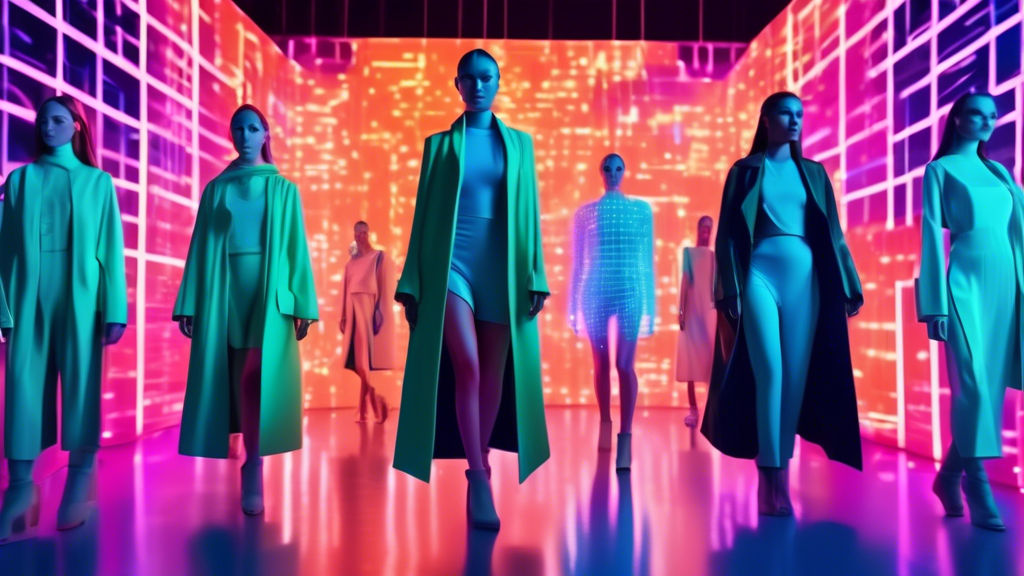
A futuristic metallic dress adorned with writhing robotic snakes, inspired by Medusa, with glowing eyes and shimmering scales.

A Fusion of Fashion and Technology

The line between fashion and art has always been blurred, but the emergence of artificial intelligence is pushing the boundaries even further. A stunning example of this fusion is Medusa, an AI-powered dress that has taken the world by storm with its mesmerizing display of moving robotic snakes.

The Inspiration Behind the Serpent

Designed by [Designer’s Name], Medusa draws inspiration from the mythical Gorgon of the same name. Known for her hair of living, venomous snakes, Medusa has been a subject of fascination and fear for centuries. The dress captures this duality, presenting a captivating spectacle that is both beautiful and slightly unsettling.

Unveiling the Technology: A Symphony of AI and Robotics

The magic of Medusa lies in its intricate integration of artificial intelligence and robotics. The robotic snakes, crafted from lightweight yet durable materials, are equipped with sensors and actuators that allow them to move with lifelike fluidity. However, the true genius lies in the AI that powers these movements.

The dress utilizes a sophisticated AI system that processes data from its surroundings. This includes factors like proximity to other people, ambient noise levels, and even the wearer’s emotional state. Based on this information, the AI algorithms choreograph the movements of the snakes in real-time, creating a dynamic and responsive performance.

More Than Just a Pretty Dress: Exploring the Deeper Meaning

Medusa is not merely a technological marvel; it’s a thought-provoking piece of art that sparks conversations about our evolving relationship with technology. By incorporating AI and robotics into something as personal and expressive as clothing, the designer challenges us to consider the potential impact of these technologies on our lives.

Beyond the Runway: Medusa and the Future of Fashion

While Medusa is undoubtedly a unique and groundbreaking creation, it signifies a larger trend in the fashion industry – the rise of wearable technology. As technology continues to advance, we can expect to see more garments that blur the lines between fashion, art, and technology.

Imagine clothes that change color or pattern based on your mood, or outfits that adapt to different weather conditions. The possibilities are endless, and Medusa serves as a tantalizing glimpse into the future of fashion.

Ethical Considerations: Navigating the Complexities of AI in Fashion

The integration of AI into fashion, while exciting, also raises important ethical considerations. One concern is the potential for data privacy violations. As AI-powered garments become more prevalent, it’s crucial to establish clear guidelines and regulations regarding the collection, storage, and use of personal data.

Another ethical consideration is the potential for AI bias. If the algorithms used to design and control AI-powered fashion are not developed with diversity and inclusivity in mind, they could perpetuate or even exacerbate existing societal biases. It’s essential for designers and developers to prioritize ethical AI practices to ensure that this technology benefits everyone.

The Medusa Dress: A Testament to Human Creativity and Ingenuity

In conclusion, the Medusa dress is more than just a piece of clothing; it’s a powerful statement about the transformative potential of AI and robotics. This mesmerizing creation not only pushes the boundaries of fashion but also compels us to confront the ethical implications of these rapidly evolving technologies. As we venture further into the uncharted territory of AI-powered fashion, it’s essential to proceed with both caution and excitement, ensuring that this fusion of technology and creativity benefits humanity as a whole.

FAQs about the Medusa Dress

How do the robotic snakes move?

The robotic snakes are equipped with sensors and actuators that are controlled by a sophisticated AI system. This system processes data from the dress’s surroundings, including proximity to people, noise levels, and even the wearer’s emotional state, to choreograph the snakes’ movements in real-time.

What is the significance of the name Medusa?

The dress is named after the mythical Gorgon Medusa, known for her hair of living, venomous snakes. Like its namesake, the dress aims to evoke both fascination and unease, sparking conversations about our complex relationship with technology.

What materials are used to create the dress?

The dress itself is made from [Materials used in the dress]. The robotic snakes are crafted from lightweight yet durable materials that allow for fluidity and ease of movement.

How does the AI system work?

The AI system utilizes advanced algorithms to process data from the dress’s surroundings and the wearer’s emotional state. This data is then used to control the movements of the robotic snakes, creating a dynamic and responsive performance.

What is the future of AI-powered fashion?

Medusa is a glimpse into the future of wearable technology. As technology advances, we can expect to see more garments that incorporate AI and robotics to create interactive and personalized experiences. Imagine clothes that change color or pattern based on your mood, or outfits that adapt to different weather conditions. The possibilities are endless!

What are the ethical considerations surrounding AI-powered fashion?

The rise of AI in fashion raises important ethical concerns, such as data privacy and the potential for AI bias. It’s crucial to establish clear guidelines and regulations for the collection and use of personal data. Additionally, developers must prioritize ethical AI practices to ensure that this technology benefits everyone.

Where can I see the Medusa dress in person?

[Information about exhibitions or displays of the dress, if applicable.]

Akira’s Legacy: AI and the Future of Tokyo Street Style

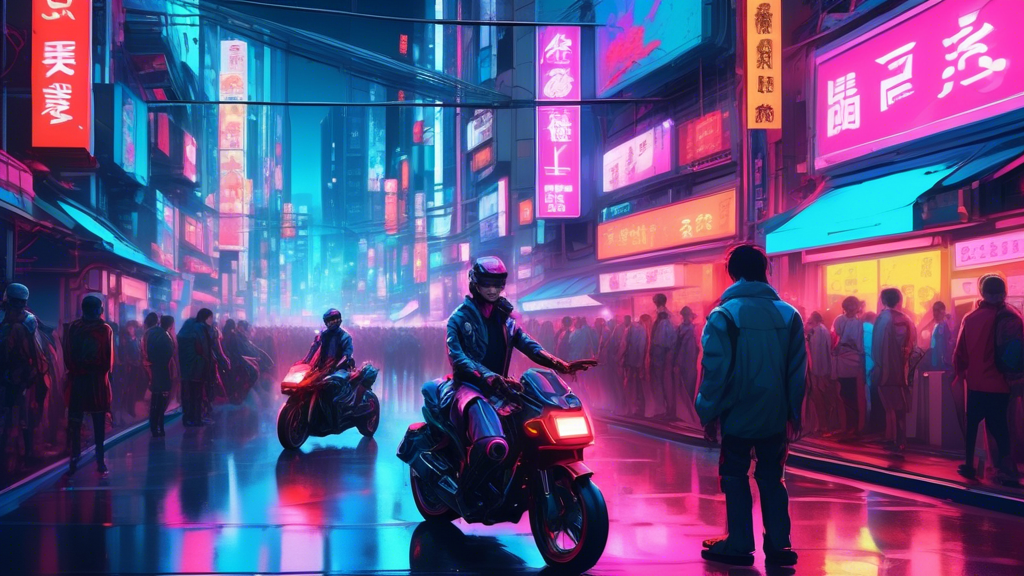
A futuristic Tokyo street scene with crowds in cyberpunk clothing, neon signs with Japanese characters, and a holographic motorcycle reminiscent of the one in Akira.

Akira’s Prophetic Vision

Released in 1988, Katsuhiro Otomo’s animated masterpiece, Akira, painted a vivid and, some might argue, prophetic picture of Neo-Tokyo in 2019. This cyberpunk landscape, teeming with biker gangs, psychic children, and government conspiracies, wasn’t just a backdrop; it was a character itself. And within this neon-drenched dystopia, Otomo sowed the seeds of fashion trends that would echo for decades to come.

Beyond the Capsule: The Enduring Influence of Akira Fashion

The film’s iconic red motorcycle jacket, emblazoned with the Kaneda capsule, became synonymous with rebellious cool, influencing fashion designers and street-style enthusiasts alike. But Akira‘s impact on fashion runs far deeper than a single garment. The film introduced a collision of styles – a fusion of traditional Japanese aesthetics with futuristic cyberpunk elements. Think oversized silhouettes, flowing fabrics, technical outerwear, and bold graphic designs. This unique blend resonated with audiences worldwide, cementing Akira as a cornerstone of cyberpunk fashion and a wellspring of inspiration for contemporary designers.

Tokyo Street Style: Where Tradition Meets Innovation

Tokyo has long been hailed as a global fashion capital, a city where tradition and innovation collide on the streets. From the elegant simplicity of minimalist fashion to the avant-garde extravagance of Harajuku style, Tokyo is a melting pot of self-expression through clothing. This fearless approach to fashion, where rules are meant to be broken and individuality is paramount, is a natural extension of Akira‘s rebellious spirit.

The AI Revolution: Reshaping the Fashion Landscape

Just as Akira imagined a technologically advanced future, we stand at the cusp of a new era shaped by artificial intelligence. AI is already transforming various industries, and the world of fashion is no exception. From AI-powered design tools to personalized shopping experiences, artificial intelligence is poised to revolutionize how we create, consume, and interact with fashion.

The Intersection: Where Akira, Tokyo Street Style, and AI Converge

Imagine a future where AI algorithms analyze street style trends in real-time, drawing inspiration from the fashion-forward streets of Tokyo. Picture AI-powered design assistants collaborating with human designers, creating unique garments that blur the lines between art and technology. Envision a world where personalized fashion experiences are curated by AI, offering customized style recommendations based on individual preferences and body types. This is the future where Akira‘s legacy, Tokyo street style’s innovative spirit, and the transformative power of AI converge.

AI as a Creative Partner: Amplifying Human Ingenuity

It’s important to note that AI isn’t here to replace human creativity; rather, it serves as a powerful tool to enhance and amplify it. By analyzing vast amounts of data, from historical fashion trends to contemporary street style images, AI can identify patterns and generate insights that would be impossible for humans to process alone. This data-driven approach provides designers with valuable inspiration, helps them understand emerging trends, and empowers them to push the boundaries of creativity even further.

Hyper-Personalization: Tailoring Fashion to the Individual

One of the most exciting aspects of AI in fashion is its potential for hyper-personalization. Imagine walking into a store (or browsing online) and being presented with clothing options tailored specifically to your body type, style preferences, and even your current mood! AI algorithms can analyze your past purchases, social media activity, and browsing history to create a uniquely tailored shopping experience, making fashion more personal and relevant than ever before.

Sustainable Solutions: Addressing the Fashion Industry’s Impact

Beyond aesthetics and personalization, AI has the potential to address some of the fashion industry’s most pressing challenges, particularly its environmental impact. By optimizing production processes, minimizing waste, and promoting circularity, AI can contribute to a more sustainable and responsible fashion ecosystem. For example, AI algorithms can analyze demand patterns to optimize inventory management, reducing the amount of unsold clothing that ends up in landfills. Furthermore, AI can be used to develop innovative materials and manufacturing techniques that are both stylish and environmentally friendly.

A Glimpse into the Future: What Awaits Us?

As AI continues to evolve, its influence on fashion will only become more profound. We can anticipate even more sophisticated design tools, hyper-realistic virtual try-on experiences, and perhaps even AI-powered garments that adapt to our surroundings or respond to our emotions. The line between the physical and digital realms will continue to blur, creating exciting new possibilities for self-expression through fashion.

Neo-Tokyo in Our Midst?

While we may not be zipping around on futuristic motorcycles (yet!), the world envisioned in Akira feels closer than ever. The fusion of technology and style, the relentless pace of innovation, and the blurring of lines between the real and the virtual are all hallmarks of our present day. And just like in Neo-Tokyo, the streets are our runway, a canvas for self-expression and a testament to the enduring power of fashion to reflect and shape our world.

As we venture further into this uncharted territory, one thing remains certain: the future of fashion is inextricably linked to the advancements in AI. And as we embrace the transformative power of this technology, we carry with us the rebellious spirit of Akira and the innovative energy of Tokyo street style, shaping a future where fashion is as limitless as our imaginations.

Ensuring AI Compliance Before Its Fashion Debut

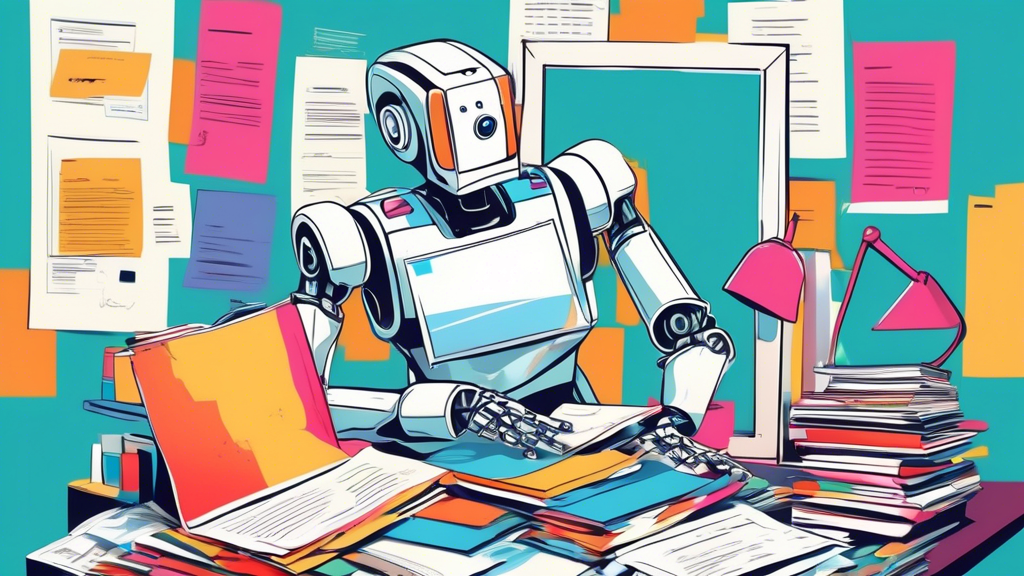
A fashionable AI robot nervously checking itself in a mirror, surrounded by piles of legal documents and style guides.

Introduction

Artificial intelligence (AI) is rapidly transforming the fashion industry, from design and manufacturing to marketing and sales. While AI offers a plethora of opportunities for innovation and efficiency, it also presents unique challenges, particularly concerning compliance. As AI becomes increasingly integrated into fashion, businesses must proactively address potential risks to ensure ethical, legal, and responsible implementation. This article delves into the crucial aspects of AI compliance in fashion, providing a comprehensive guide to navigate this evolving landscape.

Understanding AI in Fashion: A Paradigm Shift

AI is revolutionizing the fashion industry in unprecedented ways. Let’s explore some key applications:

1. Design and Product Development

AI-powered tools are transforming how designers conceptualize and create fashion. From generating trend forecasts and suggesting design elements to creating virtual prototypes and optimizing fit, AI streamlines the design process, fostering creativity and efficiency.

2. Manufacturing and Supply Chain Management

AI optimizes manufacturing processes through automation, predictive maintenance, and quality control. By analyzing data from various sources, AI identifies bottlenecks, predicts potential disruptions, and enhances overall efficiency in the supply chain.

3. Personalized Customer Experiences

AI personalizes the shopping journey by analyzing customer data to offer tailored recommendations, predict preferences, and provide customized styling advice. This level of personalization enhances customer satisfaction and drives sales.

4. Marketing and Sales Optimization

AI empowers fashion brands to target the right audience with personalized marketing campaigns. By analyzing consumer behavior and market trends, AI optimizes ad spending, predicts customer churn, and enhances overall marketing ROI.

Navigating the Compliance Landscape

While the benefits of AI in fashion are undeniable, it’s crucial to address the associated compliance challenges:

1. Data Privacy and Security

AI relies heavily on data, raising concerns about the collection, storage, and use of personal information. Fashion brands must comply with data protection regulations like GDPR and CCPA, ensuring transparency, consent, and data security measures.

2. Bias and Discrimination

AI algorithms can inherit biases from training data, leading to discriminatory outcomes. For instance, AI-powered hiring tools might perpetuate existing biases in the fashion industry. It’s vital to mitigate bias through diverse datasets, algorithmic fairness assessments, and ongoing monitoring.

3. Intellectual Property Rights

The use of AI in design raises questions about intellectual property ownership and copyright infringement. Fashion brands must navigate the complexities of AI-generated designs, ensuring compliance with IP laws and protecting their creative assets.

4. Transparency and Explainability

The lack of transparency in AI decision-making processes, often referred to as the black box problem, raises concerns about accountability and trust. Fashion brands should strive for explainable AI, providing insights into how AI systems arrive at specific outcomes.

Ensuring AI Compliance: A Proactive Approach

To harness the power of AI responsibly, fashion businesses should adopt a proactive approach to compliance:

1. Conduct Thorough Risk Assessments

Identify potential risks associated with specific AI applications in your business. Assess the impact on data privacy, bias, IP rights, and other relevant compliance areas.

2. Implement Robust Data Governance Frameworks

Establish clear policies and procedures for data collection, storage, usage, and sharing. Ensure compliance with relevant data protection regulations and obtain necessary consents.

3. Prioritize Algorithmic Fairness and Transparency

Implement measures to mitigate bias in AI algorithms. Use diverse datasets, conduct fairness assessments, and provide explanations for AI-driven decisions.

4. Address Intellectual Property Considerations

Develop clear guidelines for AI-generated designs, addressing ownership rights, copyright issues, and potential infringement risks.

5. Foster Collaboration and Industry Standards

Engage in industry-wide discussions and collaborations to establish best practices and standards for responsible AI development and deployment in fashion.

6. Stay Informed and Adapt

AI regulations and ethical considerations are constantly evolving. Stay abreast of the latest developments, engage in ongoing learning, and adapt your compliance strategies accordingly.

Conclusion: Embracing AI with Responsibility

AI’s transformative potential in the fashion industry is undeniable. By proactively addressing compliance challenges and adopting a responsible approach, fashion businesses can harness the power of AI to drive innovation, efficiency, and sustainability while ensuring ethical and legal practices. As AI continues to shape the future of fashion, a steadfast commitment to compliance will be paramount in fostering trust, transparency, and long-term success.

The wave of bizarre AI art feels surreal

A surreal wave made of paintbrushes, palettes, and digital glitches, crashing down on a beach of human faces with bewildered expressions.

The Rise of AI Art: A Surreal Revolution

The art world is no stranger to change. From the cave paintings of Lascaux to the Renaissance masters, from the Impressionists to the abstract expressionists, art has always been a reflection of our evolving understanding of the world and our place in it. Today, we stand on the precipice of yet another artistic revolution, one driven by the unlikely hands of artificial intelligence. AI art, once a niche experiment, has exploded onto the scene, flooding our digital spaces with a wave of bizarre, beautiful, and often unsettling imagery.

The Algorithm as Artist: Understanding the Mechanics of AI Art

To grasp the surreal nature of AI art, we must first delve into its mechanics. Unlike traditional art forms, AI art is not born from the brushstrokes of a painter or the chisel of a sculptor. Instead, it emerges from lines of code, complex algorithms trained on vast datasets of images, text, and code. These algorithms, powered by machine learning, are capable of identifying patterns and relationships within the data, learning to mimic artistic styles and generate entirely new forms of visual expression.

One of the most prevalent forms of AI art generation is through text-to-image models. These models, with names like DALL-E 2, Midjourney, and Stable Diffusion, operate on a fascinating premise: you feed them a text prompt, a string of words describing your desired image, and the AI, drawing upon its vast knowledge base, attempts to translate your words into a visual representation. The results can be astonishingly realistic, whimsically abstract, or chillingly surreal, often blurring the lines between the familiar and the fantastical.

A Surreal Journey Through the Uncanny Valley

The surrealism of AI art often stems from its ability to tread the fine line between the recognizable and the utterly alien. Faces morph and melt, landscapes warp into impossible geometries, and everyday objects take on an eerie, dreamlike quality. This journey into the uncanny valley, that unsettling space where the almost-human brushes against the distinctly artificial, is a hallmark of AI art, prompting both fascination and unease in equal measure.

Imagine, for instance, a portrait generated from the prompt a woman with flowing hair made of butterflies. The AI might depict a face both human and ethereal, strands of hair transforming into a kaleidoscope of wings, capturing a fleeting moment of beauty tinged with the surreal. Or consider a landscape generated from a city skyline melting into a starry night. The AI might render towering skyscrapers dissolving into swirling nebulas, the familiar transformed into a scene of cosmic grandeur.

This interplay between the familiar and the strange, the recognizable and the uncanny, lies at the heart of AI art’s surrealism. It forces us to confront our expectations of what art can be, challenging our notions of creativity, originality, and even consciousness.

The Democratization of Creation: Empowering Artists of All Kinds

The rise of AI art has also sparked widespread debate about its implications for the future of artistic creation. Some view it as a threat, a harbinger of a future where human artists are rendered obsolete by machines. Others, however, see it as a powerful tool, a means of democratizing art and empowering a new generation of creators.

AI art tools have lowered the barrier to entry for aspiring artists. One no longer needs years of training to wield a paintbrush or sculpt clay. With a few lines of code and a spark of imagination, anyone can become an AI artist, exploring their creativity in ways previously unimaginable. This accessibility has led to an explosion of creativity, with individuals from all walks of life contributing to the ever-expanding tapestry of AI art.

Furthermore, AI art tools can serve as powerful collaborative partners for established artists. They can be used to explore new ideas, experiment with different styles, and push the boundaries of traditional artistic practices. Imagine a painter using an AI tool to generate a series of abstract textures, which they then incorporate into their physical artwork. Or a sculptor using AI-generated 3D models as the basis for a new sculpture, blending the digital and the physical in a seamless fusion of art and technology.

Navigating the Ethical Labyrinth: Copyright, Ownership, and the Future of Art

As with any disruptive technology, AI art has raised a host of ethical and philosophical questions that we are only beginning to grapple with. Issues of copyright and ownership are particularly complex. If an AI generates a piece of art, who owns the copyright: the programmer who created the AI, the user who provided the prompt, or the AI itself? And what constitutes originality in a world where machines can generate seemingly infinite variations on a theme?

These questions have no easy answers, and the legal frameworks surrounding AI art are still in their infancy. As AI art continues to evolve, it will be crucial to engage in thoughtful and nuanced discussions about its ethical implications, ensuring that we harness its potential while safeguarding the rights and interests of human creators.

A Surreal Future: Embracing the Unknown in the Age of AI Art

The wave of bizarre AI art washing over us may feel surreal, even unsettling at times. Yet, it is a testament to the boundless capacity of human ingenuity and the ever-evolving relationship between art and technology. AI art challenges us to expand our definitions of creativity, to confront our assumptions about the nature of art itself, and to embrace the unknown with a sense of wonder and curiosity.

As we venture deeper into this uncharted territory, one thing is certain: the journey promises to be as surreal, challenging, and ultimately rewarding as the art itself. We are witnessing the birth of a new artistic movement, one that will undoubtedly leave an indelible mark on the cultural landscape for generations to come.

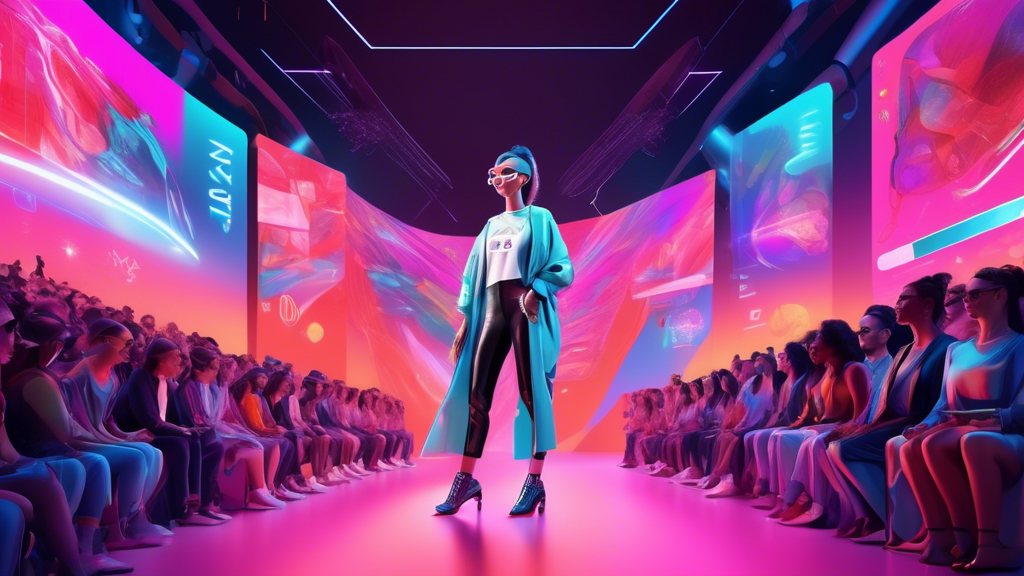
Perfect Corp’s 6th Annual Global Beauty and Fashion AI Forum Showcases New AI Innovations and Highlights Top Technology Trends for Brands and Retailers

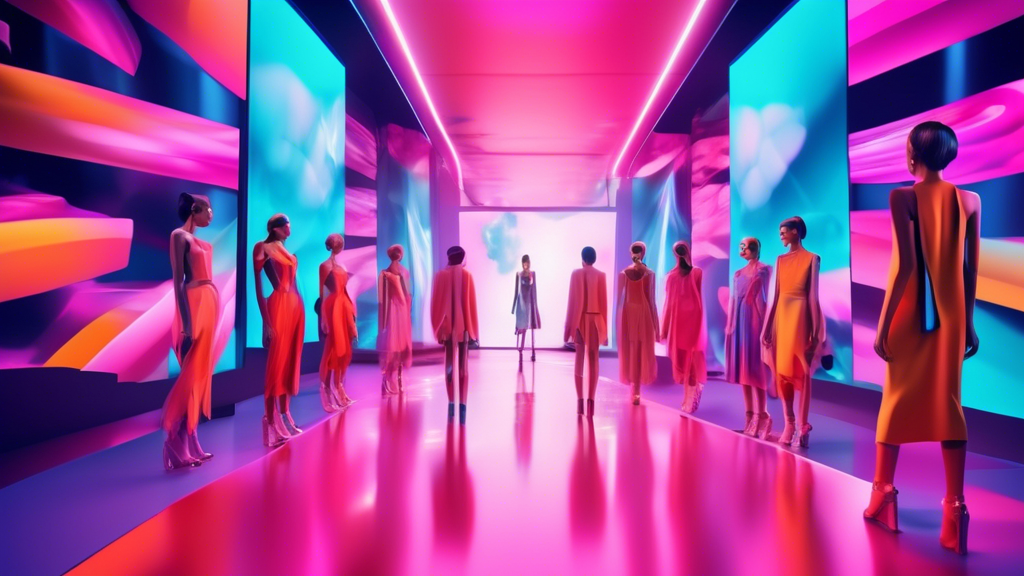
A futuristic fashion show on a digital runway with models styled by AI and a giant screen in the background showcasing beauty products.

Perfect Corp.’s 6th Annual Global Beauty and Fashion AI Forum Showcases New AI Innovations and Highlights Top Technology Trends for Brands and Retailers

The beauty and fashion industries are rapidly evolving, driven by technological advancements and changing consumer behaviors. At the forefront of this digital transformation is Artificial Intelligence (AI), playing an increasingly critical role in shaping the future of beauty and fashion experiences. Perfect Corp., a leading global beauty and fashion tech provider of AI and augmented reality (AR) solutions, recently hosted its highly anticipated 6th Annual Global Beauty and Fashion AI Forum. The event, held virtually, brought together industry leaders, experts, and innovators to explore the latest AI innovations and their impact on brands and retailers.

The Rise of AI in Beauty and Fashion

AI is revolutionizing the way consumers discover, experience, and purchase beauty and fashion products. From personalized product recommendations to virtual try-on experiences, AI is enhancing customer engagement and driving sales. The 6th Annual Global Beauty and Fashion AI Forum highlighted several key ways AI is transforming the industry:

  • **Hyper-Personalization:** AI empowers brands to deliver personalized recommendations and experiences tailored to individual customer preferences. By analyzing data such as skin tone, hair type, and style preferences, AI algorithms can curate personalized product suggestions and beauty routines.
  • **Virtual Try-On:** AR-powered virtual try-on experiences allow customers to experiment with different products and looks virtually. This technology eliminates the guesswork associated with traditional shopping methods and enhances customer satisfaction.
  • **AI-Powered Skin Analysis:** Advanced AI algorithms can analyze skin conditions, such as wrinkles, fine lines, and pigmentation, with remarkable accuracy. This technology enables personalized skincare recommendations and targeted treatments.
  • **Smart Shade Matching:** Finding the perfect foundation or lipstick shade can be a challenge. AI-powered shade matching tools take the guesswork out of the equation, using facial recognition technology to analyze skin tone and recommend the most suitable shades.
  • **Inventory Optimization:** AI is revolutionizing supply chain management by forecasting demand and optimizing inventory levels. This ensures that brands can meet customer needs while minimizing waste and reducing costs.

Perfect Corp.’s Latest AI Innovations Unveiled

The 6th Annual Global Beauty and Fashion AI Forum served as a platform for Perfect Corp. to unveil its latest AI innovations. These cutting-edge technologies are poised to further transform the industry:

  • **AI-Powered Makeup and Hair Style Transfer:** Perfect Corp. introduced an innovative AI-powered solution that enables users to transfer makeup and hair styles from photos or videos onto their own images in real-time. This technology opens up endless possibilities for virtual try-on experiences and personalized beauty inspiration.
  • **Enhanced Skin Analysis with AI Skin Score:** Building upon its existing AI Skin Analysis technology, Perfect Corp. launched a comprehensive skin scoring system. The AI Skin Score provides users with a detailed analysis of their skin’s health, including wrinkles, spots, texture, pores, and dark circles. This advanced technology allows users to track their skin’s progress over time and receive personalized skincare recommendations.
  • **AI-Powered Fashion Try-On for Accessories:** Perfect Corp. expanded its virtual try-on capabilities beyond makeup and hair to include accessories. Using AI and AR technology, users can now try on earrings, necklaces, glasses, and other accessories virtually, enhancing the online shopping experience for fashion brands.
  • **AI-Generated Content Creation:** Recognizing the growing demand for high-quality product visuals, Perfect Corp. introduced AI-powered solutions for automated content creation. This technology enables brands to generate realistic product images and videos, streamlining their creative processes and reducing costs.

Technology Trends Shaping the Future of Beauty and Fashion

The forum also featured insightful discussions and presentations on the latest technology trends shaping the future of beauty and fashion. Key takeaways included:

  • **The Metaverse and Virtual Beauty:** The metaverse is rapidly gaining traction, and its impact on the beauty and fashion industries is undeniable. Virtual try-on experiences, digital avatars, and virtual fashion shows are just a glimpse into the future of beauty and fashion in the metaverse.
  • **Social Commerce and Livestream Shopping:** Social media platforms are evolving into powerful commerce channels. Livestream shopping, powered by AI-driven product recommendations and interactive features, is transforming the way consumers discover and purchase products.
  • **Sustainability and Transparency:** Consumers are increasingly conscious of the environmental and social impact of their purchasing decisions. AI can play a crucial role in promoting sustainability by optimizing supply chains, reducing waste, and enabling transparency in sourcing and manufacturing processes.
  • **Data Privacy and Security:** As AI becomes more prevalent in beauty and fashion, data privacy and security are paramount concerns. Brands must prioritize the ethical use of AI and ensure compliance with data protection regulations.

Embracing the AI Revolution in Beauty and Fashion

The 6th Annual Global Beauty and Fashion AI Forum showcased the transformative power of AI in the beauty and fashion industries. From personalized experiences to enhanced shopping journeys, AI is reshaping how brands interact with consumers and drive business growth. By embracing these innovations, brands and retailers can unlock new opportunities, enhance customer satisfaction, and stay ahead of the curve in an increasingly competitive landscape.

As AI technology continues to advance, we can expect even more innovative applications in the beauty and fashion industries. The future holds immense potential for brands and retailers willing to embrace the power of AI and leverage its capabilities to create personalized, engaging, and seamless customer experiences.

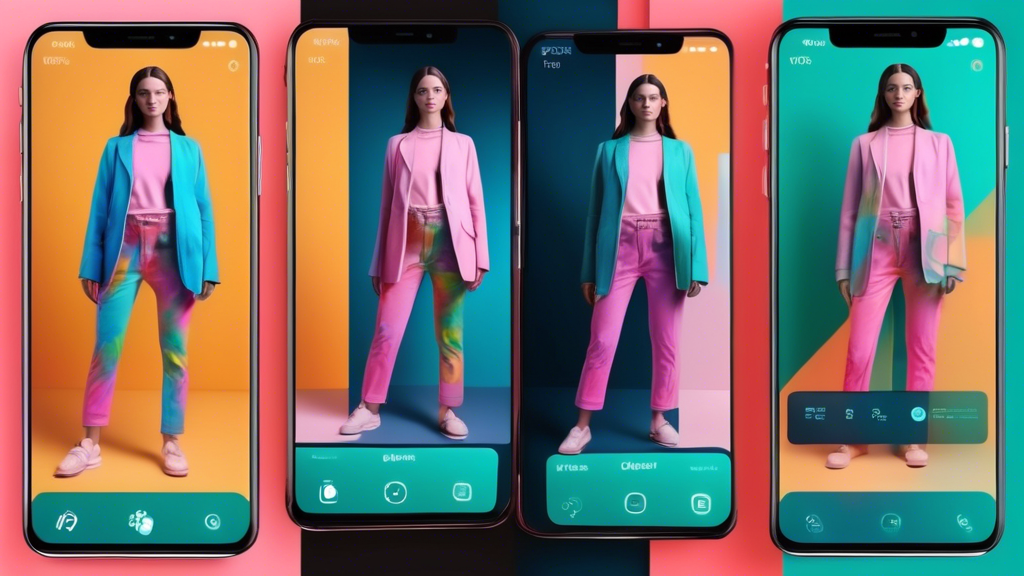
iFoto’s New AI Feature Swaps Clothing in Photos

A phone with the iFoto app open displaying a before and after photo of a person whose clothes have been changed by artificial intelligence.

iFoto Unveils Groundbreaking AI Feature: Effortless Clothing Swaps in Photos

Revolutionizing Fashion and Photography with AI Magic

In a groundbreaking move poised to redefine photo editing, iFoto has unveiled a revolutionary AI-powered feature that allows users to seamlessly swap clothing in photos. This cutting-edge technology harnesses the power of artificial intelligence to make complex edits accessible to everyone, from casual users to professional photographers.

The Magic of AI-Powered Clothing Swaps

Gone are the days of tedious manual editing and unrealistic results. iFoto’s AI clothing swap feature utilizes sophisticated algorithms to intelligently analyze the contours of the body, fabric drapes, and lighting conditions in a photograph. This intricate understanding of the image allows the AI to seamlessly integrate new clothing items, ensuring a natural and believable outcome.

A Universe of Possibilities at Your Fingertips

Imagine effortlessly trying on different outfits without leaving the comfort of your home. With iFoto’s AI clothing swap, this futuristic vision becomes a reality. Whether you’re looking to experiment with different styles, find the perfect outfit for a special occasion, or simply want to see how a particular garment would look on you, the possibilities are endless.

  • Effortless Experimentation: Say goodbye to the hassle of physical try-ons. iFoto lets you experiment with countless clothing options in seconds, allowing you to discover your perfect look.
  • Virtual Wardrobe: Create a digital wardrobe of your favorite clothing items and experiment with different combinations to curate stunning outfits.
  • Seamless Online Shopping: Visualize how clothes from online stores would look on you before making a purchase, reducing the risk of returns and disappointments.
  • Professional Photography Enhancement: For photographers, this feature streamlines workflows by simplifying clothing changes during photoshoots, saving time and resources.

The Technology Behind the Magic

iFoto’s AI clothing swap feature is built on a foundation of advanced machine learning algorithms trained on massive datasets of images. This extensive training enables the AI to accurately recognize and understand different types of clothing, fabrics, and how they drape on the body. The algorithms also take into account factors like lighting, shadows, and perspective to ensure that the swapped clothing seamlessly blends with the original image.

Key Features and Benefits

  • Intuitive and User-Friendly: The AI-powered clothing swap tool is designed for users of all skill levels, making it easy to achieve professional-quality results.
  • Extensive Clothing Library: iFoto offers a vast and growing library of clothing items to choose from, spanning a wide range of styles, sizes, and brands.
  • Customization Options: Fine-tune the fit, color, and other details of the swapped clothing to match your preferences.
  • Realistic Results: The advanced algorithms ensure that the swapped clothing looks natural and blends seamlessly with the original photo.

Beyond Fashion: Expanding the Horizons of Image Editing

The introduction of AI-powered clothing swaps marks a significant milestone in the evolution of photo editing. This groundbreaking technology has the potential to extend beyond fashion and revolutionize various industries:

  • E-commerce: Enhance online shopping experiences by allowing customers to visualize themselves in different outfits.
  • Gaming: Create realistic and customizable avatars for video games and virtual worlds.
  • Film and Television: Streamline post-production processes by simplifying clothing changes and reducing the need for expensive reshoots.

The Future of Photo Editing is Here

iFoto’s AI clothing swap feature is a game-changer that empowers users to unleash their creativity and redefine the boundaries of photo editing. As AI technology continues to advance, we can expect even more innovative features and applications to emerge, further blurring the line between reality and digital artistry.

Get Started with iFoto Today

Experience the future of photo editing and unlock a world of creative possibilities with iFoto’s revolutionary AI clothing swap feature. Download the app or visit the website to start creating stunning images with ease.

Eleanora Barkun, Qlode Co-Founder, Discusses AI’s Impact on Fashion Retail at London Tech Week

A woman with futuristic glasses stands on a stage addressing a large audience, digital renderings of clothing designs swirl around her, a banner behind her reads AI & The Future of Fashion Retail

Eleanora Barkun, Qlode Co-Founder, Takes the Stage at London Tech Week

The air crackled with anticipation at London Tech Week as Eleanora Barkun, visionary entrepreneur and co-founder of Qlode, took the stage. A hush fell over the audience, eager to glean insights from the leader whose company is at the forefront of AI’s transformative wave sweeping through the fashion retail landscape.

Demystifying AI: A Force for Good in Fashion

Barkun, known for her eloquent yet straightforward communication style, dove right into the heart of the matter. She acknowledged the apprehension surrounding AI, often portrayed in popular culture as a disruptive, even threatening force. Instead, she painted a picture of AI as a powerful ally, a tool with the potential to revolutionize the fashion industry for the better – for both businesses and consumers alike.

She emphasized that AI, at its core, is about data. In the world of fashion, Barkun explained, we generate mountains of data every single day – from customer browsing habits to inventory levels to social media trends. AI gives us the ability to make sense of this data, to extract meaningful insights that would be impossible for humans to process at scale.

Qlode: Pioneering Personalized Fashion Experiences

Barkun then shifted her focus to Qlode, the company she co-founded, which stands as a prime example of AI in action within the fashion retail sphere. Qlode’s platform leverages the power of AI to deliver hyper-personalized shopping experiences tailored to each individual’s unique style preferences.

Imagine, Barkun invited the audience, a world where finding the perfect outfit is no longer a daunting task. Qlode’s AI algorithms analyze vast datasets, taking into account your body type, style preferences, past purchases, and even social media activity, to curate a selection of clothing and accessories that are perfectly aligned with your individual taste.

Addressing the Sustainability Imperative

The conversation then turned to one of the most pressing issues facing the fashion industry today – sustainability. Barkun highlighted how AI can be a powerful force in promoting more sustainable practices throughout the fashion value chain.

She explained, Overproduction and waste are rampant in the fashion industry. By leveraging AI-powered demand forecasting and inventory optimization, we can produce only what is needed, minimizing waste and reducing the industry’s environmental footprint.

Beyond Personalization: AI’s Multifaceted Impact

Barkun went on to elaborate on the myriad ways in which AI is transforming the fashion retail landscape:

  • Enhanced Customer Service: AI-powered chatbots provide instant, personalized customer support, addressing queries and resolving issues in real-time.
  • Smart Inventory Management: AI algorithms optimize inventory levels, ensuring that retailers have the right products in stock at the right time, reducing waste and maximizing sales.
  • Trend Forecasting: AI analyzes social media data, fashion shows, and online trends to predict future fashion trends with remarkable accuracy, allowing retailers to stay ahead of the curve.
  • Virtual Styling: AI-powered virtual styling tools allow customers to try on clothes virtually, eliminating the need for physical fitting rooms and reducing return rates.

Navigating the Ethical Landscape

Barkun also acknowledged the ethical considerations that come hand-in-hand with AI adoption. She stressed the importance of transparency, accountability, and responsible data usage, emphasizing that AI should be developed and deployed in a way that benefits all stakeholders.

As we embrace the transformative potential of AI, Barkun remarked, we must do so responsibly, ensuring that data privacy is protected, biases are mitigated, and AI is used as a force for good.

A Vision for the Future

As her time on stage drew to a close, Barkun left the audience with a compelling vision for the future of fashion retail – a future where AI empowers both businesses and consumers, fostering a more sustainable, personalized, and enjoyable shopping experience for all.

Her words resonated long after the applause subsided, leaving a palpable sense of excitement in their wake. Eleanora Barkun, a true visionary, had not only demystified AI but had also illuminated its potential to reshape the fashion industry as we know it.

Q&A: Insights from the Front Lines

The presentation was followed by a lively Q&A session, where Barkun fielded questions from an engaged audience eager to delve deeper into the world of AI and its impact on fashion retail. Here are some key takeaways:

  • On the skills needed to thrive in an AI-driven industry: Barkun emphasized the importance of data literacy, analytical thinking, and a willingness to embrace continuous learning. She also highlighted the value of creativity and emotional intelligence, skills that remain uniquely human and will be increasingly important in an AI-augmented world.
  • On the role of regulation in AI development: Barkun expressed her support for thoughtful regulation that fosters responsible AI innovation while protecting consumer privacy and preventing bias. She stressed the need for collaboration between policymakers, industry leaders, and ethicists to ensure that AI is developed and deployed ethically.
  • On the potential of AI to democratize fashion: Barkun believes that AI can make fashion more accessible and inclusive. By providing personalized recommendations and catering to diverse body types and style preferences, AI can empower individuals to express themselves authentically through fashion, regardless of their background or budget.

A Legacy of Innovation

Eleanora Barkun’s appearance at London Tech Week was more than just a presentation – it was a call to action. Her words served as a powerful reminder that we are on the cusp of a technological revolution, and the choices we make today will shape the future of fashion retail. By embracing AI responsibly and harnessing its transformative power, we can create a more sustainable, inclusive, and stylish future for all.

Shinwon Adopts AI for Fashion Forecasting to Capitalize on $909 Billion Market by 2030

A futuristic fashion designer surrounded by glowing orbs of data, analyzing AI-generated trend predictions on a transparent digital screen with a cityscape backdrop and the year 2030 subtly displayed.

In a strategic move to leverage cutting-edge technology within the rapidly evolving fashion landscape, Shinwon, a prominent player in the global fashion industry, has announced the integration of artificial intelligence (AI) into its fashion forecasting processes. This decision comes as the global fashion forecasting market is poised for exponential growth, projected to reach a staggering $909 billion by 2030, according to industry experts. Shinwon’s proactive adoption of AI underscores its commitment to staying ahead of the curve and capitalizing on the transformative potential of technology in fashion.

Understanding the Power of AI in Fashion Forecasting

Fashion forecasting has traditionally relied heavily on historical data, trend analysis, and human intuition. However, the advent of AI is revolutionizing this domain by introducing unprecedented levels of accuracy, speed, and sophistication. AI algorithms can process colossal datasets, identify intricate patterns, and generate predictions with remarkable precision, surpassing human capabilities in many aspects.

Here’s how AI is transforming fashion forecasting:

  • Enhanced Trend Prediction: AI algorithms can analyze vast amounts of data from social media, e-commerce platforms, fashion shows, and other sources to identify emerging trends, predict their trajectory, and estimate their lifespan. This allows fashion brands to anticipate consumer demand with greater accuracy and make informed decisions about design, production, and marketing.
  • Personalized Recommendations: AI-powered recommendation engines can analyze individual consumer preferences, past purchases, and browsing history to provide highly personalized product recommendations. This not only enhances customer satisfaction but also drives sales and loyalty.
  • Optimized Inventory Management: AI can forecast demand with remarkable accuracy, enabling fashion brands to optimize their inventory levels, reduce waste, and minimize the risk of stockouts or overstocking. This results in significant cost savings and improved operational efficiency.
  • Automated Design Assistance: AI tools can assist designers by generating design ideas, suggesting color palettes, and even creating virtual prototypes. This accelerates the design process, fosters innovation, and allows designers to focus on higher-level creative tasks.

Shinwon’s Strategic Embrace of AI

Shinwon’s decision to embrace AI for fashion forecasting stems from a deep understanding of the technology’s transformative potential. By integrating AI into its core operations, Shinwon aims to achieve the following objectives:

  • Gain a Competitive Edge: AI-powered forecasting provides Shinwon with real-time insights into emerging trends, enabling it to respond to changing consumer preferences faster than its competitors. This agility is crucial in the fast-paced world of fashion.
  • Boost Profitability: By optimizing inventory management, reducing waste, and improving the accuracy of demand forecasting, Shinwon can significantly enhance its profitability. AI allows for leaner operations and minimizes the financial risks associated with overproduction or stockouts.
  • Enhance Customer Experience: Personalized recommendations and a more targeted product offering, driven by AI insights, will elevate the customer experience. Shinwon aims to create a seamless and personalized shopping journey for its customers.
  • Drive Innovation: AI tools will empower Shinwon’s designers with data-driven insights, fostering creativity and innovation in the design process. This will enable Shinwon to stay ahead of the curve and introduce fresh, trendsetting designs.

Navigating the Challenges of AI Implementation

While the benefits of AI in fashion forecasting are undeniable, implementing AI effectively comes with its own set of challenges. Shinwon acknowledges these challenges and is taking a proactive approach to address them:

  • Data Quality and Accessibility: The accuracy of AI algorithms depends heavily on the quality and quantity of data they are trained on. Shinwon is investing in data infrastructure and partnerships to ensure access to reliable and comprehensive data sources.
  • Talent Acquisition and Development: Working with AI requires specialized skills. Shinwon is actively recruiting data scientists, AI engineers, and other technical experts to build and manage its AI capabilities. Additionally, Shinwon is providing training and development opportunities to upskill its existing workforce.
  • Ethical Considerations: Shinwon is committed to using AI ethically and responsibly. The company is implementing measures to address potential biases in data, ensure transparency in AI decision-making, and protect customer privacy.

The Future of Fashion Forecasting: An AI-Powered Era

Shinwon’s strategic embrace of AI for fashion forecasting is a testament to the technology’s transformative potential in the industry. As the fashion forecasting market continues its rapid growth, AI is poised to play an increasingly pivotal role. Here’s a glimpse into the future of fashion forecasting:

  • Hyper-Personalization: AI will enable fashion brands to offer hyper-personalized experiences, tailoring product recommendations, marketing messages, and even designs to individual customer preferences.
  • Predictive Supply Chains: AI-powered supply chains will anticipate disruptions, optimize logistics, and ensure timely delivery, even in the face of unforeseen challenges.
  • Sustainable Fashion: AI can contribute to a more sustainable fashion industry by optimizing resource utilization, reducing waste, and promoting circular economy models.

Conclusion: Shinwon at the Forefront of AI-Driven Fashion

Shinwon’s strategic adoption of AI for fashion forecasting positions the company as a frontrunner in the evolving fashion landscape. By harnessing the power of AI, Shinwon aims to achieve greater agility, profitability, and customer satisfaction. As the fashion industry continues its digital transformation, companies like Shinwon that embrace AI will be best positioned to thrive in the years to come.

Can AI Fashion Assistants Outperform Humans in Styling?

A robot stylist dressed in a futuristic chic outfit presenting a curated selection of clothing and accessories to a surprised human shopper.

The fashion industry thrives on innovation, constantly evolving with new trends and technologies. One such advancement that has sent ripples through the fashion world is the emergence of Artificial Intelligence (AI). From personalized recommendations to virtual styling assistants, AI is steadily changing how we interact with fashion. But can AI truly outperform the nuanced touch of a human stylist?

The Rise of AI in Fashion

AI’s foray into fashion isn’t a new phenomenon. We’ve been introduced to AI-powered tools like personalized shopping recommendations on e-commerce platforms for a while now. These algorithms analyze browsing history, past purchases, and even social media activity to curate a selection of clothing and accessories tailored to individual tastes.

However, the scope of AI in fashion extends far beyond personalized recommendations. AI-powered styling assistants are now stepping into the spotlight, offering to curate complete outfits and provide fashion advice based on user preferences, body type, and even the event or occasion.

How AI Styling Assistants Work

AI styling assistants leverage complex algorithms and machine learning to process massive datasets of fashion images, trends, and style guides. These algorithms excel at identifying patterns and making connections that humans might overlook.

Here’s a closer look at how these assistants work:

  • Data Collection: AI assistants gather information about the user through style quizzes, image analysis (users can upload photos of themselves or outfits they like), and by tracking browsing and purchase history.
  • Trend Analysis: AI excels at analyzing current fashion trends, runway shows, and social media to understand what’s popular and what’s fading from style.
  • Body Shape and Color Analysis: Some advanced AI assistants can analyze body measurements and skin tone to recommend styles and colors that flatter the user’s physique.
  • Outfit Generation: Based on the collected data, AI algorithms generate outfit suggestions, often providing multiple options and variations to suit different tastes.
  • Personalized Feedback: Many AI assistants incorporate a feedback mechanism where users can rate outfits, providing valuable data for the AI to refine its recommendations over time.

The Strengths of AI in Fashion

AI brings several advantages to the table when it comes to styling:

  • Objectivity: Unlike humans, AI is free from personal biases and preferences, offering recommendations purely based on data and pre-set style parameters.
  • Speed and Efficiency: AI can process vast amounts of information in seconds, generating multiple outfit options and providing style advice much faster than a human stylist.
  • Accessibility and Affordability: AI-powered styling services are often more accessible and affordable than hiring a personal stylist, democratizing access to fashion advice.
  • Experimentation: AI can encourage users to step outside their comfort zones by suggesting styles and combinations they might not have considered otherwise.

The Human Touch: Why Human Stylists Still Matter

Despite AI’s impressive capabilities, the human touch remains irreplaceable in the world of fashion:

  • Emotional Intelligence: Human stylists possess emotional intelligence, understanding that fashion goes beyond just clothes; it’s a powerful tool for self-expression and reflecting one’s personality, mood, and aspirations. AI, at least for now, lacks this depth of understanding.
  • Context and Nuance: AI may struggle to grasp the subtleties of certain events or dress codes. Humans excel at understanding unspoken social cues and cultural nuances, ensuring outfits are appropriate for the occasion.
  • Creativity and Intuition: While AI can analyze trends, human stylists often rely on intuition and creative flair to put together truly unique and unexpected looks that push boundaries and set trends, rather than just following them.
  • Personal Connection: The stylist-client relationship is built on trust and understanding. Human stylists take the time to listen to their clients, understanding their insecurities, desires, and fashion aspirations on a deeper level, something AI has yet to replicate.

The Future of Fashion: A Collaborative Approach

The question isn’t whether AI will replace human stylists entirely. Instead, the future of fashion lies in a collaborative approach where AI and human expertise complement each other.

Imagine a world where AI handles the time-consuming tasks – analyzing trends, sorting through inventory, and creating initial outfit options. Human stylists can then step in, leveraging their expertise to fine-tune these suggestions, adding personal touches, and ensuring the final look resonates with the client’s personality and the event’s context.

This collaboration can lead to a more efficient, personalized, and ultimately, more satisfying experience for fashion enthusiasts. AI can handle the data crunching, freeing up human stylists to focus on what they do best – connecting with clients and crafting looks that empower and inspire.

Conclusion

AI’s impact on the fashion industry is undeniable. AI styling assistants offer convenience, speed, and a level of data-driven personalization that’s hard to ignore. However, human stylists bring to the table emotional intelligence, creativity, and an intuitive understanding of style that AI has yet to replicate.

The future of fashion likely lies in a harmonious collaboration between AI and human expertise, creating a landscape where technology enhances, rather than replaces, the artistry of styling. As AI continues to learn and evolve, its role in fashion will undoubtedly expand, offering exciting possibilities for both stylists and fashion enthusiasts alike.

Ensuring AI Compliance Before Deployment

A robot hand signing a document titled AI Compliance Checklist with a green checkmark next to each item.

Introduction

Artificial intelligence (AI) is rapidly transforming industries and revolutionizing the way we live and work. However, the ethical and legal implications of AI deployment are still being explored. Ensuring AI compliance before deployment is crucial to mitigate risks, maintain public trust, and foster responsible innovation.

Understanding AI Compliance

AI compliance refers to the adherence of AI systems to relevant laws, regulations, ethical principles, and industry standards. It encompasses a wide range of considerations, including:

Data Privacy

AI systems often rely on vast amounts of data, raising concerns about privacy. Organizations must comply with data protection regulations, obtain informed consent when necessary, and implement robust data security measures.

Bias and Fairness

AI algorithms can inherit biases from training data, leading to discriminatory outcomes. It’s essential to mitigate bias through data diversity, fairness-aware algorithms, and ongoing monitoring.

Transparency and Explainability

AI systems should be transparent and explainable, allowing users to understand how decisions are made. This is particularly important in high-stakes domains like healthcare and finance.

Accountability and Liability

Clear lines of accountability and liability are crucial in case of AI system errors or misconduct. Organizations need to establish mechanisms to attribute responsibility and address potential harms.

Security and Robustness

AI systems should be secure and robust to prevent malicious attacks, data breaches, and unintended consequences. Regular security audits and penetration testing are essential.

Steps to Ensure AI Compliance

Implementing a comprehensive AI compliance framework is an ongoing process that requires careful planning and execution. Here are key steps to consider:

1. Conduct a Risk Assessment

Identify potential risks associated with AI deployment, including data privacy violations, bias, and security breaches. Assess the likelihood and impact of these risks.

2. Develop an AI Ethics Policy

Establish clear ethical principles and guidelines for AI development and use. This policy should address issues like fairness, transparency, and accountability.

3. Implement Data Governance

Ensure data quality, integrity, and privacy throughout the AI lifecycle. Implement data anonymization and de-identification techniques when appropriate.

4. Mitigate Bias and Promote Fairness

Use diverse and representative training data, employ fairness-aware algorithms, and regularly audit AI systems for bias.

5. Enhance Transparency and Explainability

Document AI models, algorithms, and decision-making processes. Provide explanations for AI-driven outcomes in a clear and understandable manner.

6. Establish Accountability Mechanisms

Clearly define roles and responsibilities for AI development, deployment, and oversight. Implement mechanisms for reporting and addressing AI-related concerns.

7. Prioritize Security and Robustness

Implement robust security measures to protect AI systems from attacks and breaches. Conduct regular security audits and penetration testing.

8. Monitor and Evaluate

Continuously monitor AI systems for compliance and performance. Establish feedback loops to identify and address emerging risks or issues.

Benefits of AI Compliance

Ensuring AI compliance offers numerous benefits, including:

Mitigated Risks

Compliance reduces the likelihood of legal issues, reputational damage, and financial losses associated with AI risks.

Increased Trust and Acceptance

Ethical and responsible AI practices foster public trust and acceptance of AI technologies.

Enhanced Innovation

A clear compliance framework provides guidance and reduces uncertainty, promoting innovation in AI development.

Improved Brand Reputation

Organizations committed to AI compliance enhance their brand reputation and gain a competitive advantage.

Social Good

Responsible AI deployment contributes to societal well-being by promoting fairness, equality, and human rights.

Conclusion

As AI becomes increasingly pervasive, ensuring compliance is no longer optional but essential. By adopting a proactive and comprehensive approach to AI compliance, organizations can mitigate risks, foster trust, and unlock the full potential of AI while upholding ethical standards and societal values. By embracing responsible AI practices, we can shape a future where AI benefits all of humanity.

Affiliate Disclosure: FashionNewsGF.com is a participant in the Amazon Services LLC Associates Program, an affiliate advertising program designed to provide a means for sites to earn advertising fees by advertising and linking to Amazon.com. As an Amazon Associate we earn from qualifying purchases. Learn more