AI Fashion Assistant Enhances Michael Kors Online Shopping Experience

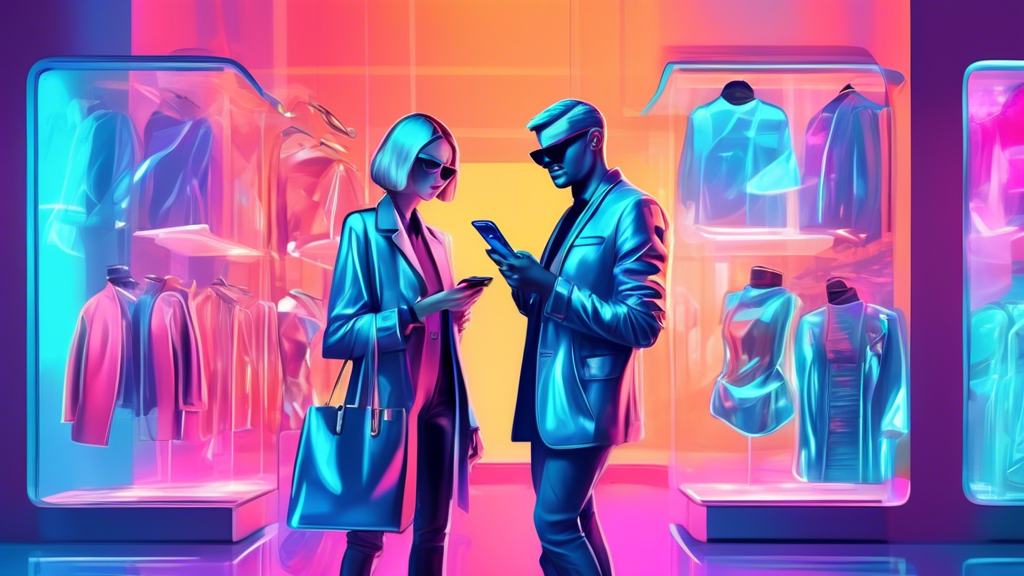
A stylish person using a futuristic phone with a holographic AI assistant helping them choose a Michael Kors outfit.

AI Revolutionizes the Shopping Experience: Michael Kors Introduces a Fashion-Forward AI Assistant

In a world where technology is seamlessly interwoven with every aspect of our lives, it’s no surprise that artificial intelligence (AI) is transforming the fashion industry. Michael Kors, the renowned global luxury brand, is at the forefront of this revolution, leveraging cutting-edge AI technology to elevate the online shopping experience for its customers with a personalized AI fashion assistant.

A New Era of Personalized Style: Your AI-Powered Fashion Guide

Gone are the days of endlessly scrolling through countless pages of clothing, feeling overwhelmed and uninspired. The Michael Kors AI fashion assistant acts as your personal stylist, providing a curated and personalized shopping journey tailored to your unique tastes and preferences.

Here’s how this game-changing technology works:

* **Data-Driven Style Insights:** The AI assistant analyzes your past purchases, browsing history, and even social media activity to gain a deep understanding of your personal style.
* **Personalized Recommendations:** Based on your style profile, the AI assistant suggests items you’ll love, from clothing and handbags to shoes and accessories.
* **Outfit Inspiration:** Struggling to put together the perfect outfit? The AI assistant can create complete looks based on your preferences, occasion, and even the weather forecast.
* **Effortless Style Exploration:** Discover new styles and trends that align with your taste, expanding your fashion horizons with confidence.

Seamless Integration for a Frictionless Shopping Journey

The Michael Kors AI fashion assistant integrates seamlessly into the brand’s website and mobile app, ensuring a user-friendly and intuitive experience. Here’s how it enhances different stages of your shopping journey:

* **Product Discovery:** Receive personalized recommendations as soon as you land on the website, or use the AI-powered search function to find exactly what you’re looking for quickly and easily.
* **Style Advice:** Not sure if a particular dress is right for your body type or if a certain handbag complements your style? The AI assistant provides instant feedback and suggestions.
* **Outfit Creation:** Experiment with different items and create stunning outfits within the platform, with the AI assistant offering style tips and ensuring everything coordinates perfectly.
* **Checkout and Beyond:** The AI assistant remembers your preferences, making future shopping trips even more efficient and personalized. It can also provide order tracking and return assistance, ensuring a smooth post-purchase experience.

The Future of Fashion: AI-Driven Personalization and Beyond

The introduction of the AI fashion assistant is a testament to Michael Kors’ commitment to innovation and providing an exceptional customer experience. This groundbreaking technology not only simplifies the online shopping process but also enhances it with a level of personalization and style guidance that was previously unimaginable.

As AI continues to evolve, we can expect even more exciting advancements in the realm of fashion and retail. Here are a few possibilities the future holds:

* **Virtual Try-On:** Using augmented reality (AR) technology, customers will be able to virtually try on clothes and accessories from the comfort of their homes, eliminating the guesswork of online shopping.
* **Hyper-Personalization:** AI algorithms will continue to become more sophisticated, providing even more tailored style recommendations based on factors such as body shape, skin tone, and lifestyle.
* **Sustainable Shopping:** AI can play a role in promoting sustainability by suggesting eco-friendly brands and products, helping customers make conscious fashion choices.

Embracing the AI Fashion Revolution

The Michael Kors AI fashion assistant represents a significant leap forward in the world of online shopping. By harnessing the power of AI, the brand is providing its customers with an unparalleled level of personalization, convenience, and style guidance.

This innovative approach not only benefits shoppers but also has the potential to revolutionize the fashion industry as a whole. As more brands embrace AI-powered solutions, we can look forward to a future where shopping is not just a transaction, but an immersive and personalized journey of self-expression through fashion.

Use AI to Find Perfectly Fitting Clothes Online

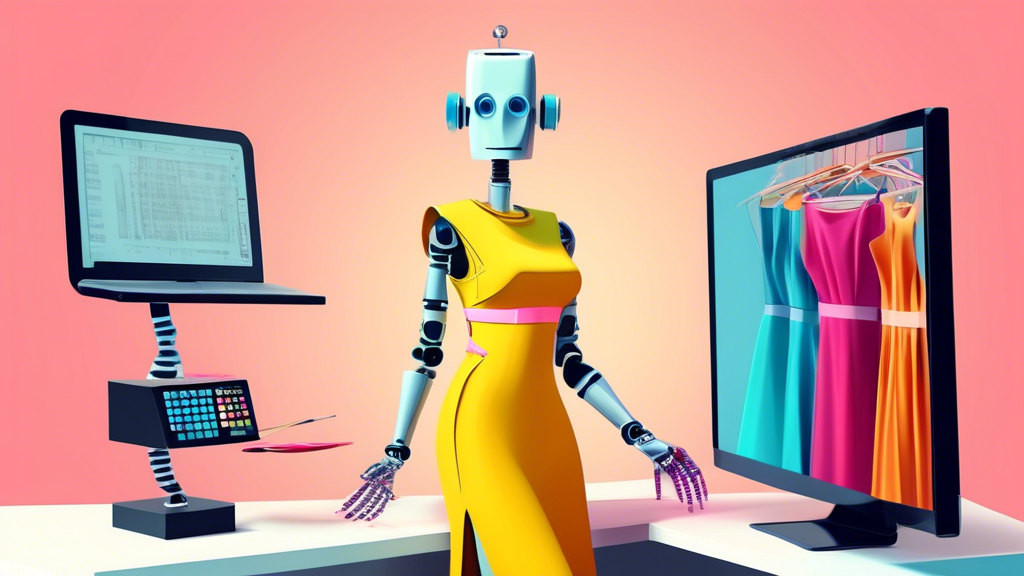
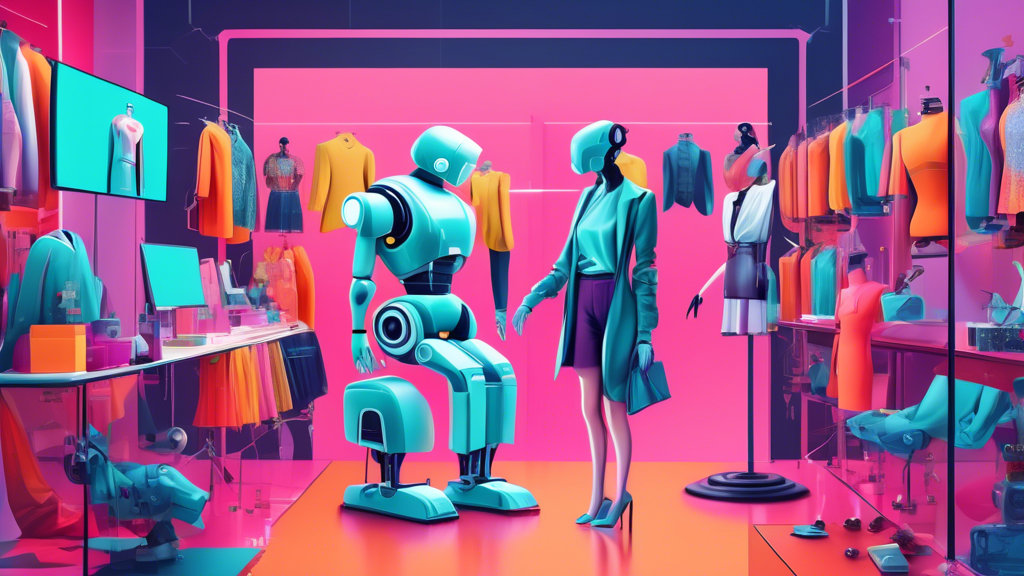
A robot stylist dressed in a tape measure holding up a perfect fitting dress from a computer screen.

Tired of Sifting Through Endless Options? Use AI to Find Perfectly Fitting Clothes Online

Online shopping for clothes can feel like a gamble. You browse through countless pages, meticulously check size charts, and still, the clothes often fit differently than expected. The excitement of a new purchase can quickly turn into the disappointment of ill-fitting garments. But what if there was a way to take the guesswork out of online shopping for clothes? Enter the world of artificial intelligence (AI), a technology revolutionizing how we find clothes online that fit perfectly.

Understanding the Frustration: Why Finding the Right Fit Online is So Difficult

Before diving into the solution, let’s acknowledge the problem. Several factors contribute to the difficulty of finding clothes online that fit just right:

  • Inconsistent Sizing: Sizing varies dramatically across different brands and even within the same brand. A size medium at one store might feel like a small or large at another.
  • Flattering Images: Product photos are often styled and edited to present the most flattering image, not necessarily the most realistic representation of how the clothes will look on different body types.
  • Lack of Tangibility: Unlike in-store shopping, you can’t try clothes on virtually, making it difficult to gauge how the fabric will drape or how the garment will feel against your skin.

This is where AI comes to the rescue, offering innovative solutions to overcome these challenges and personalize your online shopping experience.

How AI is Transforming the Online Fitting Room

AI is changing the game by using data-driven approaches to bridge the gap between online shopping and finding the perfect fit. Here’s how:

1. AI-Powered Virtual Fitting Rooms

Imagine trying on clothes virtually from the comfort of your own home. AI-powered virtual fitting rooms use your body measurements and 3D modeling to create a realistic avatar that mirrors your body shape and size. This allows you to:

  • Visualize the Fit: See how clothes will drape on your body, how the fabric will move, and how the garment will look from different angles.
  • Experiment with Sizes: Easily switch between sizes to find the most accurate and flattering fit without the hassle of physical try-ons.
  • Receive Personalized Recommendations: Get AI-powered suggestions for sizes and styles based on your virtual try-on experience and purchase history.

2. Precise Fit Recommendations Based on Your Body Data

Some AI-powered platforms go beyond virtual avatars by allowing you to input your specific body measurements. These measurements are then analyzed against a brand’s sizing charts and customer data to provide hyper-personalized fit recommendations. You’ll receive suggestions for the best size to order based on your unique proportions, minimizing the risk of returns and exchanges.

3. Style Suggestions Tailored to Your Preferences

AI doesn’t stop at just finding the right fit; it also helps you discover styles you’ll love. By analyzing your past purchases, browsing history, and even social media activity, AI algorithms can curate a selection of clothes that align with your personal style. This personalized approach saves you time and helps you uncover hidden gems you might have otherwise missed.

The Benefits of Embracing AI for Online Clothes Shopping

The advantages of integrating AI into your online shopping routine extend beyond finding the perfect fit:

  • Reduced Returns and Environmental Impact: Finding the right fit the first time minimizes the likelihood of returns, reducing waste and the environmental impact associated with shipping and packaging.
  • Enhanced Shopping Experience: AI personalizes your shopping journey, making it more enjoyable, efficient, and tailored to your preferences.
  • Increased Confidence: Knowing that your clothes will fit well boosts your confidence and allows you to focus on expressing your personal style.

The Future of AI and Online Fashion: A Seamless Partnership

The integration of AI in the fashion industry is still evolving, but its potential is undeniable. As AI technology continues to advance, we can anticipate even more sophisticated and personalized shopping experiences. Imagine:

  • AI-Powered Style Assistants: Chatbots that provide real-time fashion advice, outfit suggestions, and personalized shopping recommendations based on your needs and preferences.
  • Virtual Reality Shopping Experiences: Immersive virtual reality platforms that allow you to try on clothes in realistic virtual environments, replicating the experience of in-store shopping.
  • AI-Driven Sustainable Fashion Choices: Algorithms that recommend eco-friendly brands and sustainable clothing options based on your values and preferences.

Embrace the Future of Fit

Finding clothes online that fit perfectly is no longer a distant dream. AI is transforming the online shopping landscape by providing personalized, data-driven solutions to long-standing fit challenges. By embracing AI-powered tools, you can wave goodbye to the days of sizing uncertainties and embrace a future of online shopping that’s tailored to your unique shape and style. So, the next time you’re searching for the perfect outfit online, let AI be your guide to a seamless and confident shopping experience.

Brunello Cucinelli Explores the Fusion of AI and Traditional Craftsmanship at Innovation Festival

A robotic arm with a paintbrush delicately painting intricate patterns on a luxurious Brunello Cucinelli cashmere sweater, surrounded by artisans observing and smiling.

The renowned Italian designer captivated the audience with his vision of a future where technology enhances, rather than replaces, human ingenuity.

The world of haute couture and cutting-edge technology might seem like strange bedfellows, but Brunello Cucinelli, the Italian maestro of luxurious simplicity, sought to bridge this gap at a recent innovation festival. Known for his exquisite cashmere garments and his philosophical musings on humanistic capitalism, Cucinelli presented a thought-provoking perspective on the role of artificial intelligence in the preservation and evolution of traditional craftsmanship.

The Human Touch in the Age of AI

Cucinelli’s presentation was not a celebration of technology for technology’s sake. Instead, he advocated for a future where AI augments and elevates the human touch, not replaces it. He argued that while machines excel at repetitive tasks and data processing, they lack the soul, the creativity, and the nuanced judgment that are the hallmarks of true craftsmanship.

He drew parallels between the digital revolution and the invention of the printing press, noting that while the latter revolutionized the dissemination of knowledge, it did not diminish the value of storytelling or the artistry of calligraphy. Similarly, he believes AI can be harnessed to enhance the efficiency and precision of certain aspects of production, freeing up artisans to focus on the more creative and intricate elements of their craft.

Augmenting Craftsmanship, Not Replacing It

Cucinelli envisions a future where AI-powered tools assist artisans in tasks such as pattern cutting, material selection, and even predicting fashion trends. This, he believes, would not only improve efficiency but also allow artisans to spend more time on the finer details, pushing the boundaries of their creativity and honing their skills to even greater heights.

He emphasized the importance of preserving the human element in every garment. From the selection of the finest natural fibers to the meticulous hand-stitching that defines a Cucinelli creation, it’s the human touch that infuses each piece with its soul and character. AI, in his vision, becomes a powerful tool in the hands of skilled artisans, helping them to achieve new levels of precision and artistry.

Investing in Human Potential

Central to Cucinelli’s philosophy is the concept of humanistic capitalism—a belief that businesses have a responsibility to not only generate profits but also to uplift their employees and contribute to the greater good.

In the context of AI and craftsmanship, this translates into a commitment to training and education. Cucinelli envisions a future where companies invest in upskilling their workforce, equipping artisans with the knowledge and skills to thrive in a technologically advanced world. This includes not only technical training on AI-powered tools but also fostering a deeper understanding of design principles, material science, and the rich heritage of their craft.

A Call for Ethical and Sustainable Innovation

Cucinelli also sounded a note of caution, emphasizing the need for ethical considerations in the development and implementation of AI. He stressed that technology should never come at the expense of human dignity or the environment. He called for a mindful approach to innovation, one that prioritizes sustainability, fairness, and the creation of meaningful work.

His vision resonated with the audience, who were captivated by his blend of old-world craftsmanship and forward-looking optimism. He challenged them to imagine a future where technology and tradition coexist, each enhancing the other and contributing to a more beautiful, more humane, and more sustainable world.

The Legacy of Human Ingenuity

Brunello Cucinelli’s presentation at the innovation festival was more than just a talk about fashion and technology; it was a powerful statement about the enduring value of human ingenuity and the importance of preserving our cultural heritage in the face of rapid technological advancement.

His vision of AI as a tool for empowerment, rather than displacement, offers a hopeful glimpse into the future of craftsmanship. It’s a future where technology helps us rediscover the soul in our creations, pushing the boundaries of human potential and reminding us of the timeless beauty of handmade objects infused with the passion and skill of their creators.

Ukrainian startups thrive amidst AI boom at VivaTech

A Ukrainian flag waving proudly amidst a bustling tech conference with holographic projections of artificial intelligence and smiling entrepreneurs exchanging ideas.

Ukrainian Startups Shine at VivaTech Amidst Global AI Boom

Despite the ongoing war, the Ukrainian tech scene showcased its resilience and ingenuity at VivaTech 2023 in Paris. Amidst a palpable buzz surrounding artificial intelligence, Ukrainian startups stood out, demonstrating their ability to innovate and adapt even in the face of adversity. This year’s VivaTech served as a powerful testament to the enduring spirit of Ukrainian entrepreneurship and its potential to shape the future of technology.

A Showcase of Resilience and Innovation

The Ukrainian delegation at VivaTech, comprised of diverse startups spanning various sectors, highlighted the nation’s burgeoning tech ecosystem. From AI-powered medical imaging solutions to innovative logistics platforms, these startups presented groundbreaking technologies poised to disrupt their respective industries.

One notable example is [Startup Name 1], a company leveraging AI to [briefly describe the startup’s solution and its impact]. Another standout is [Startup Name 2], which has developed [briefly describe the startup’s solution and its impact]. These are just a few examples of the many inspiring stories emerging from the Ukrainian tech community.

Thriving in the Face of Adversity

The presence of Ukrainian startups at VivaTech carries a deeper significance than simply showcasing technological prowess. It represents a powerful symbol of resilience, determination, and the unwavering human spirit in the face of unimaginable challenges.

The ongoing conflict has undoubtedly presented significant obstacles for Ukrainian businesses. Yet, these startups have demonstrated remarkable adaptability and resourcefulness, often operating remotely and leveraging international collaborations to continue their work.

The Ukrainian Tech Scene: A Global Player

The Ukrainian tech sector has been steadily gaining recognition in recent years, with a growing number of startups attracting international investment and partnerships. This trend is fueled by several factors:

  • A Strong Talent Pool: Ukraine boasts a highly skilled and educated workforce, particularly in STEM fields. The country has a long tradition of technical excellence, producing world-class engineers, developers, and designers.
  • A Thriving Startup Ecosystem: Ukraine has cultivated a vibrant startup ecosystem, with numerous incubators, accelerators, and coworking spaces supporting early-stage companies. Government initiatives and private investment have also played a crucial role in fostering innovation.
  • A Culture of Innovation: Despite challenges, Ukrainian entrepreneurs are known for their resilience, creativity, and entrepreneurial spirit. There is a strong drive to find solutions and create a brighter future through technology.

The Impact of AI

The global AI boom has presented new opportunities for Ukrainian startups, allowing them to develop cutting-edge solutions with far-reaching applications. Ukrainian companies are leveraging AI across diverse sectors, including:

  • Healthcare: AI-powered medical imaging analysis, drug discovery, and personalized medicine.
  • Agriculture: Precision agriculture, crop monitoring, and yield optimization using AI and machine learning.
  • Finance: Fraud detection, risk assessment, and algorithmic trading powered by AI.
  • Cybersecurity: AI-driven threat detection, vulnerability analysis, and incident response.

Investing in the Future

The resilience and innovation demonstrated by Ukrainian startups at VivaTech are a testament to the immense potential of the Ukrainian tech sector. As the country continues to face significant challenges, supporting these startups is more crucial than ever.

International investment, partnerships, and mentorship can play a vital role in helping Ukrainian startups overcome adversity and thrive on the global stage. By investing in the Ukrainian tech sector, the world can support a resilient and innovative community while simultaneously tapping into a pool of exceptional talent and groundbreaking ideas.

A Beacon of Hope

The presence and success of Ukrainian startups at VivaTech send a powerful message of hope and resilience to the world. These companies are not just developing innovative technologies; they are shaping a brighter future for Ukraine and demonstrating the enduring power of human ingenuity even in the darkest of times.

As the world takes notice of the incredible talent and potential emerging from Ukraine, it is clear that these startups are not just surviving but thriving, poised to make a lasting impact on the global technological landscape.

Shoptalk Europe Highlights: AI and Personalization Dominate Discussions

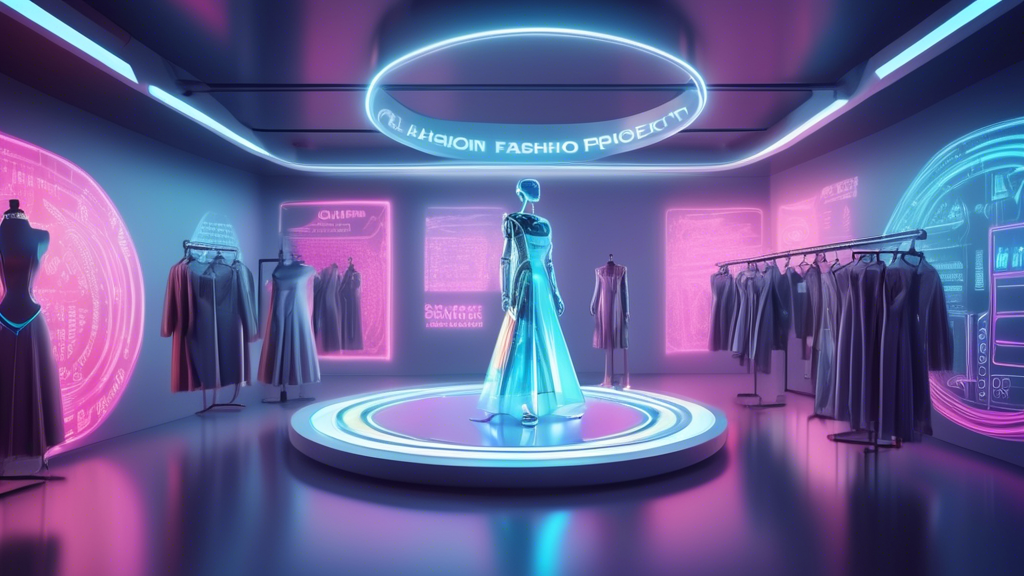
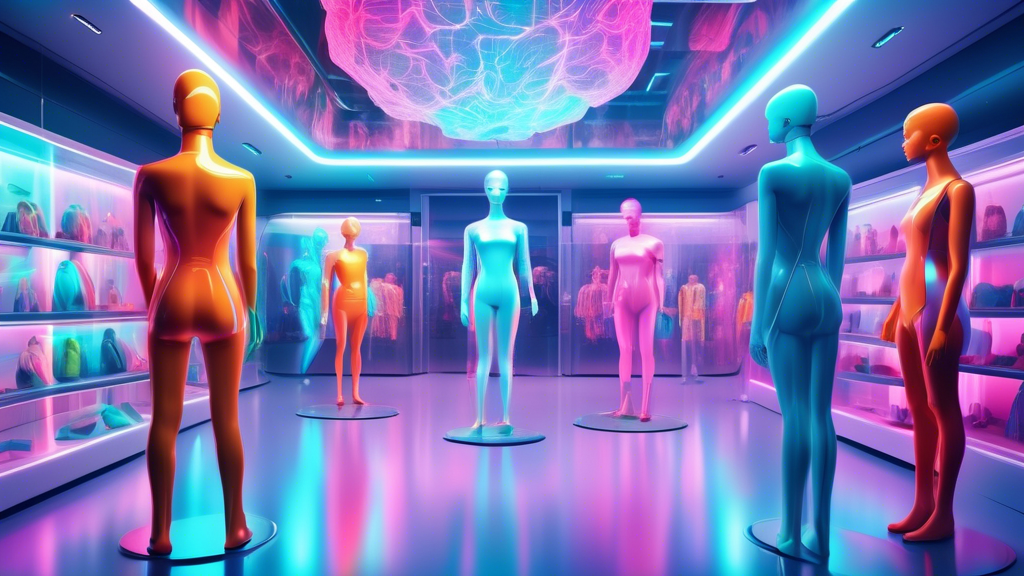
A futuristic shop floor with holographic mannequins personalized for individual shoppers gazing at them, controlled by a giant AI brain glowing in the ceiling.

The retail industry recently descended upon Barcelona for Shoptalk Europe, a leading conference for retail and e-commerce professionals. This year’s event was buzzing with energy as attendees from across the globe gathered to explore the latest trends, technologies, and strategies shaping the future of retail. Among the numerous themes discussed, two emerged as clear frontrunners: artificial intelligence (AI) and personalization. These intertwined forces dominated the conversation, highlighting their growing importance for retailers looking to thrive in an increasingly competitive and customer-centric landscape.

AI Takes Center Stage

Artificial intelligence is no longer a futuristic concept relegated to the realms of science fiction. At Shoptalk Europe, it was evident that AI has firmly established itself as a powerful tool for retailers of all sizes. From optimizing operations to enhancing customer experiences, AI’s presence was felt across numerous applications:

  • Predictive Analytics and Demand Forecasting: AI’s ability to analyze vast datasets and identify patterns is proving invaluable for retailers looking to predict future trends and optimize inventory management. By accurately forecasting demand, businesses can minimize waste, reduce costs, and ensure they have the right products available at the right time.
  • Personalized Product Recommendations: AI-powered recommendation engines are transforming the way customers discover and engage with products. By analyzing browsing history, purchase behavior, and other data points, these engines can deliver highly personalized product suggestions that drive sales and enhance customer satisfaction.
  • Chatbots and Conversational Commerce: AI-powered chatbots are increasingly being deployed to provide instant customer support, answer questions, and guide shoppers through their purchase journey. These virtual assistants offer 24/7 availability, personalized interactions, and seamless integration with messaging platforms, making them a valuable tool for enhancing customer service and driving conversions.
  • Fraud Detection and Prevention: As online transactions continue to rise, retailers face growing challenges in combating fraud. AI algorithms are being deployed to detect suspicious activities, identify fraudulent transactions, and protect both businesses and consumers from financial losses.

The Power of Personalization

In an era where customers are bombarded with countless choices, personalization has become paramount. Shoptalk Europe reinforced the message that retailers who can deliver highly personalized experiences will be the ones who win the hearts and wallets of consumers. Here’s how retailers are leveraging technology and data to create tailored interactions:

  • Personalized Content and Offers: By leveraging data on customers’ preferences, past purchases, and browsing behavior, retailers can curate personalized content and deliver targeted offers that resonate with individual shoppers. This targeted approach leads to higher engagement, increased conversions, and improved customer loyalty.
  • Omnichannel Personalization: Consumers today interact with brands through a multitude of touchpoints, both online and offline. Retailers are increasingly focused on creating seamless and personalized experiences across all channels, ensuring that customers receive consistent messaging and offers whether they’re browsing a website, using a mobile app, or visiting a physical store.
  • Hyper-Personalization Through AI: The convergence of AI and personalization is enabling retailers to achieve unprecedented levels of customization. AI algorithms can analyze vast amounts of data in real-time to deliver hyper-personalized recommendations, content, and offers that are tailored to each customer’s unique needs and preferences.
  • Personalization Beyond the Purchase: Personalization doesn’t end with the transaction. Retailers are using data to personalize post-purchase communications, such as order updates, product recommendations, and loyalty program offerings. By staying connected and providing relevant information, businesses can nurture customer relationships and drive repeat purchases.

The Ethical Considerations of AI and Personalization

While the potential benefits of AI and personalization are undeniable, it’s crucial to acknowledge the ethical considerations surrounding these technologies. Shoptalk Europe attendees engaged in numerous discussions about responsible AI implementation and data privacy:

  • Data Privacy and Security: As retailers collect and analyze increasing amounts of customer data, it’s essential to prioritize data privacy and security. Businesses must be transparent about data collection practices, obtain informed consent, and implement robust security measures to protect sensitive information.
  • Algorithmic Bias: AI algorithms are only as good as the data they are trained on. If the training data reflects existing biases, the resulting algorithms can perpetuate and even amplify those biases. Retailers must be aware of this risk and take steps to mitigate bias in their AI systems to ensure fairness and inclusivity.
  • Transparency and Explainability: As AI plays a larger role in shaping customer experiences, it’s important for retailers to be transparent about how these technologies are being used. Customers should have a clear understanding of how their data is being collected, analyzed, and utilized to personalize their interactions.

Embracing the Future of Retail

Shoptalk Europe 2023 highlighted that the retail landscape is evolving at an unprecedented pace, fueled by technological advancements and evolving consumer expectations. AI and personalization are no longer optional extras but essential tools for retailers looking to thrive in this dynamic environment. By embracing these technologies responsibly and ethically, retailers can unlock new opportunities to optimize operations, personalize customer experiences, and drive sustainable growth in the years to come.

As the retail industry continues to navigate this exciting frontier, one thing is certain: the future of retail is intelligent, personalized, and customer-centric. The insights and discussions from Shoptalk Europe provide a valuable roadmap for retailers as they embark on this transformative journey.

Fit Hub: True Fit’s Generative AI Solves Online Sizing Challenges for Fashion Retailers

A robot stylist using AI to measure a customer for perfectly fitting clothes online, surrounded by screens showing fashion from different online retailers.

The world of online fashion retail is fraught with challenges, and perhaps none is as persistent or impactful as sizing. In the digital realm, shoppers grapple with the inability to physically try on clothes, leading to uncertainty, frustration, and ultimately, high return rates. Enter True Fit, a data-driven personalization platform for fashion retailers, and their innovative solution: Fit Hub. Powered by generative AI, Fit Hub tackles the sizing conundrum head-on, promising a future where online apparel shopping is as seamless and confidence-inspiring as its in-store counterpart.

The Sizing Struggle: A Costly Problem for Retailers and Consumers Alike

The statistics paint a stark picture of the online sizing dilemma. Return rates for online apparel purchases hover around a staggering 40%, with ill-fitting garments being the primary culprit. This translates into billions of dollars in lost revenue for retailers, who bear the brunt of return shipping costs, restocking efforts, and the potential loss of dissatisfied customers.

For consumers, the frustration is palpable. The uncertainty of online sizing leads to a phenomenon known as bracketing, where shoppers order multiple sizes of the same item, hoping to find the perfect fit. This practice, while seemingly convenient for the consumer, exacerbates the return issue for retailers and contributes to unnecessary waste. The emotional toll is significant as well. Repeated fitting room disappointments in the comfort of one’s home can erode confidence and diminish the overall shopping experience.

True Fit’s Data-Driven Approach: A Foundation Built on Billions of Data Points

True Fit has spent over a decade addressing the complexities of fit and size in the fashion industry. Their approach is deeply rooted in data, leveraging a vast network of over 80 million active members and partnerships with over 250 global retailers. This collaborative ecosystem has enabled True Fit to amass an unparalleled dataset, encompassing billions of body measurements, purchase history points, and style preferences.

At the heart of True Fit’s solution is the Fashion Genome, a proprietary database that maps the nuances of fit and style across a vast catalog of apparel and footwear from thousands of brands. This intricate web of data points provides a comprehensive understanding of how different brands, styles, and sizes translate across various body shapes and sizes.

Fit Hub: How Generative AI is Revolutionizing the Online Fitting Room

Fit Hub represents the culmination of True Fit’s data prowess and the transformative power of generative AI. This innovative solution takes personalized size recommendations to the next level, offering shoppers an interactive and insightful fitting room experience within the digital landscape.

Here’s how Fit Hub utilizes generative AI to combat sizing challenges:

1. Hyper-Personalized Size Recommendations:

Fit Hub leverages the wealth of data within the Fashion Genome to provide highly accurate and personalized size recommendations for each shopper. By analyzing a user’s unique body profile, past purchase history, and brand preferences, the AI-powered engine pinpoints the optimal size with remarkable precision.

2. Body Shape and Fit Visualization:

Gone are the days of deciphering cryptic size charts and relying on generic model images. Fit Hub employs generative AI to create personalized avatars that mirror the shopper’s body shape and measurements. This allows users to visualize how a garment will actually fit on their body, providing a level of confidence and clarity previously unattainable in the online realm.

3. Detailed Fit Feedback:

Fit Hub goes beyond simply recommending a size. The platform provides detailed feedback on the fit of a garment, highlighting potential areas of tightness or looseness based on the shopper’s unique body shape and the garment’s specific measurements. This nuanced feedback empowers shoppers to make informed decisions, reducing the likelihood of returns and increasing customer satisfaction.

4. Style and Trend Recommendations:

Fit Hub extends its capabilities beyond fit to offer personalized style recommendations. By analyzing past purchases, browsing history, and trending styles within the user’s preferred brands, the AI-powered engine suggests items that align with their individual taste. This curated approach enhances the shopping experience, making it easier for shoppers to discover new brands and styles that resonate with their personal aesthetic.

The Benefits of Fit Hub: A Win-Win for Retailers and Consumers

The impact of Fit Hub extends to both retailers and consumers, creating a mutually beneficial ecosystem within the online fashion landscape.

For Retailers:

  • Reduced Return Rates: By providing accurate and personalized fit recommendations, Fit Hub minimizes the likelihood of returns, leading to significant cost savings and increased revenue.
  • Increased Conversion Rates: The confidence instilled by Fit Hub’s personalized fitting room experience translates into higher conversion rates, as shoppers are more likely to complete their purchases when they trust they are selecting the right size and style.
  • Enhanced Customer Loyalty: A positive and seamless shopping experience fosters brand loyalty. Fit Hub’s personalized recommendations and detailed fit feedback cultivate a sense of trust and satisfaction, encouraging repeat purchases and long-term customer relationships.
  • Data-Driven Insights: The data collected through Fit Hub provides valuable insights into consumer preferences, body shapes, and purchasing behavior. These insights can be leveraged to optimize inventory management, refine product development strategies, and personalize marketing efforts.

For Consumers:

  • Increased Confidence: Fit Hub eliminates the guesswork from online apparel shopping, providing shoppers with the confidence to make informed purchase decisions without the fear of ill-fitting garments.
  • Personalized Shopping Experience: The platform’s personalized recommendations, virtual try-on capabilities, and detailed fit feedback create a tailored and enjoyable shopping journey, enhancing overall satisfaction.
  • Reduced Shopping Fatigue: By streamlining the size selection process and offering curated style recommendations, Fit Hub reduces decision fatigue and makes online shopping more efficient and enjoyable.
  • Sustainable Shopping: Fit Hub’s focus on reducing returns contributes to a more sustainable fashion ecosystem by minimizing waste associated with shipping and excess inventory.

The Future of Fashion: Generative AI Paves the Way for Personalized Shopping Experiences

True Fit’s Fit Hub, powered by generative AI, marks a pivotal moment in the evolution of online fashion retail. By addressing the long-standing challenge of online sizing, Fit Hub unlocks a future where digital shopping experiences rival the personalization and confidence of traditional brick-and-mortar stores. As generative AI technology continues to advance, we can anticipate even more innovative solutions that cater to individual needs and preferences, shaping a future where fashion is truly accessible, enjoyable, and empowering for everyone.

AI Emerges as Both Muse and Personal Stylist in the Future of Fashion

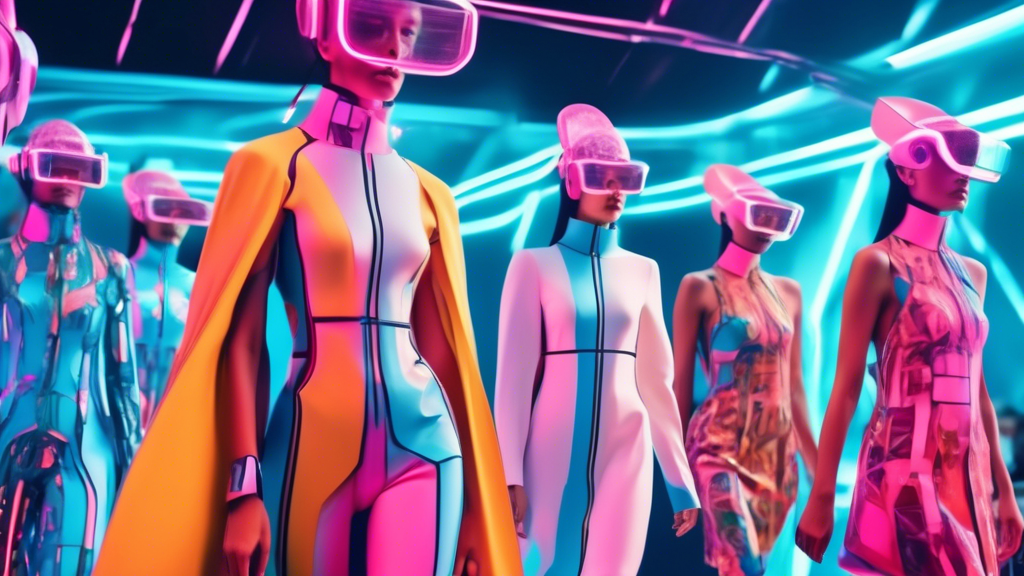
A futuristic fashion show where AI models walk the runway in clothing designed by algorithms, while robots style human attendees using virtual reality headsets.

AI: The Future of Fashion is Here

From Inspiration to Outfit Selection, AI is Revolutionizing the Industry

The fashion industry, renowned for its human touch and artistic spirit, stands at the precipice of a technological revolution. Artificial Intelligence (AI), no longer a futuristic concept, is rapidly weaving itself into the very fabric of fashion, from the initial spark of an idea to the final stitch. As AI evolves, it’s poised to become both the muse and the personal stylist, ushering in an era of personalized, efficient, and breathtakingly innovative design.

AI as Muse: Inspiring Designers and Fueling Creativity

Gone are the days when designers solely relied on mood boards and fleeting moments of inspiration. AI is stepping in as a powerful muse, capable of analyzing vast datasets of fashion trends, historical data, and consumer preferences to unearth unexpected patterns and predict future styles. This potent combination of data analysis and creative insight empowers designers to:

  • Identify Emerging Trends: AI can sift through mountains of data from social media, runway shows, and street style to pinpoint nascent trends, giving designers a competitive edge and allowing them to cater to the ever-evolving desires of fashion enthusiasts.
  • Generate Novel Designs: Imagine an AI algorithm capable of blending historical fashion elements with contemporary aesthetics to generate completely unique patterns, silhouettes, and embellishments. This is no longer a fantasy, but a reality, as AI tools empower designers to break free from conventional boundaries and explore uncharted creative territories.
  • Personalize Recommendations: AI can analyze a designer’s past collections, identifying their signature style and suggesting design modifications that align with their brand identity while catering to emerging market trends.

AI as Personal Stylist: A Seamless and Personalized Shopping Experience

The impact of AI extends far beyond the design studio, revolutionizing the way consumers discover, experience, and shop for fashion. Envision a world where your personal stylist isn’t a person, but an intelligent algorithm that knows your taste better than you know it yourself. This is the future AI promises:

  • Hyper-Personalized Recommendations: AI-powered platforms analyze your past purchases, browsing history, social media activity, and even your physical attributes to curate a personalized selection of clothing and accessories tailored to your unique style, body type, and lifestyle.
  • Virtual Styling and Try-On: Say goodbye to the uncertainty of online shopping. AI-powered virtual fitting rooms utilize augmented reality to allow you to try on clothes virtually, visualizing how different outfits would look on your body from the comfort of your own home.
  • Wardrobe Management: Imagine an app that analyzes your existing wardrobe, suggests outfit combinations you might never have considered, and even identifies gaps in your closet, prompting you to purchase items that seamlessly integrate with your current style.

AI and Sustainability: Reimagining Fashion’s Environmental Impact

The fashion industry is notorious for its environmental footprint. However, AI offers a glimmer of hope, presenting solutions for a more sustainable and ethical future:

  • On-Demand Manufacturing: By accurately predicting demand, AI can help reduce overproduction and minimize waste, a major concern in the fashion industry. On-demand manufacturing, powered by AI insights, allows brands to produce only what is needed, when it’s needed.
  • Material Innovation: AI algorithms can analyze the properties of various materials, both natural and synthetic, to develop innovative fabrics that are durable, sustainable, and ethically sourced, paving the way for an eco-conscious approach to fashion.
  • Smart Recycling and Upcycling: AI can analyze discarded garments and textile waste to identify opportunities for recycling and upcycling, contributing to a circular economy within the fashion industry.

The Human Touch: The Future of Fashion is a Collaboration

While the potential of AI in fashion is undeniable, it’s important to remember that technology alone cannot dictate the future of this dynamic industry. The human touch – the creativity, the artistry, the emotional connection – will always remain irreplaceable. The future of fashion isn’t about replacing human ingenuity, but about empowering it.

AI is not here to replace designers, stylists, and artisans, but to serve as a powerful tool that enhances their capabilities, allowing them to push the boundaries of creativity, efficiency, and sustainability. The true magic of AI in fashion lies in the synergy between human ingenuity and technological innovation, a collaboration that promises a future where fashion is as personalized and diverse as the individuals it adorns.

Embracing the Future: AI is More Than a Trend, It’s a Transformation

The integration of AI into the fashion industry is more than just a passing trend – it’s a seismic shift that is reshaping the industry from the inside out. As AI continues to evolve at an astonishing pace, its impact on fashion will only become more profound, fundamentally changing the way we design, manufacture, consume, and experience fashion.

The future of fashion is intelligent, personalized, and sustainable, driven by the transformative power of AI. By embracing this evolution, the fashion industry has the opportunity to become more creative, inclusive, and responsive to the needs of both consumers and the planet. The question isn’t whether AI will transform fashion, but how we will shape this exciting new era together.

AI can unravel the complexity of clothing supply chains

A robot hand manipulating a complex network of threads that are connected to various fashion items like shirts, pants, and dresses.

Unraveling the Threads: How AI is Transforming Clothing Supply Chains

The global fashion industry, a vibrant tapestry of creativity and commerce, is underpinned by a complex network of suppliers, manufacturers, distributors, and retailers. This intricate web, known as the clothing supply chain, is often fraught with challenges, from opaque sourcing practices to inefficient logistics and wasteful overproduction. However, a technological revolution is underway, one where artificial intelligence (AI) is poised to unravel these complexities and weave a more sustainable and ethical future for fashion.

AI’s Multifaceted Impact on Supply Chain Visibility

At the heart of a resilient and responsible supply chain lies visibility – the ability to track and trace the journey of a garment from its raw material origins to the hands of the consumer. AI offers unprecedented capabilities in enhancing this crucial aspect:

  • Mapping the Source: AI-powered tools can analyze vast datasets of supplier information, certifications, and even satellite imagery to create detailed maps of supply chains. This transparency allows brands to identify potential risks, such as unethical labor practices or environmental violations, and make informed sourcing decisions.
  • Real-Time Tracking: By integrating sensors and tracking devices with AI algorithms, brands can monitor the movement of goods in real-time throughout the supply chain. This not only improves logistics efficiency but also enables greater accountability and reduces the likelihood of counterfeiting and gray market sales.
  • Predictive Analytics: AI’s ability to analyze historical data and identify patterns is invaluable in forecasting demand, optimizing inventory levels, and minimizing waste. By accurately predicting trends and consumer preferences, brands can produce only what is needed, reducing overstock and contributing to a more sustainable fashion ecosystem.

Optimizing Efficiency and Agility with AI

Beyond enhancing visibility, AI is transforming the operational efficiency and agility of clothing supply chains:

  • Automated Processes: Repetitive and time-consuming tasks, such as order processing, quality control, and inventory management, can be automated using AI-powered systems. This not only frees up human workers for more strategic roles but also reduces the potential for human error, leading to greater accuracy and efficiency.
  • Smart Warehousing: AI-powered robots and automated guided vehicles (AGVs) are revolutionizing warehouse operations. These intelligent systems can optimize storage space, retrieve products with speed and precision, and even assist with packing and shipping, leading to significant cost savings and faster delivery times.
  • Dynamic Pricing: In the fast-paced world of fashion, pricing is paramount. AI algorithms can analyze real-time data, such as competitor pricing, inventory levels, and even social media sentiment, to dynamically adjust prices and maximize profitability while remaining competitive.

Enhancing Sustainability and Ethical Practices

The fashion industry’s environmental and social impact is under intense scrutiny. AI can play a transformative role in promoting sustainable and ethical practices throughout the clothing supply chain:

  • Reducing Waste: By optimizing production planning, forecasting demand accurately, and enabling on-demand manufacturing, AI can significantly reduce the amount of waste generated throughout the supply chain, minimizing the industry’s environmental footprint.
  • Promoting Circularity: AI-powered platforms are emerging that facilitate clothing rental, resale, and recycling, extending the lifecycle of garments and contributing to a more circular fashion economy.
  • Ensuring Ethical Sourcing: As mentioned earlier, AI’s ability to map and monitor supply chains enables brands to identify and address ethical concerns, such as unfair labor practices, child labor, and unsafe working conditions. By promoting transparency and accountability, AI can help create a more ethical and responsible fashion industry.

Navigating the Challenges and Embracing the Future

While the potential of AI to revolutionize clothing supply chains is vast, it’s essential to acknowledge the challenges and considerations:

  • Data Privacy and Security: AI relies heavily on data, and ensuring the privacy and security of sensitive information, such as supplier details and customer data, is paramount. Implementing robust data governance policies and cybersecurity measures is crucial.
  • Ethical Considerations: As with any transformative technology, it’s important to use AI responsibly and ethically. This includes mitigating potential biases in algorithms, ensuring fairness and transparency in decision-making, and protecting the rights of all stakeholders within the supply chain.
  • Workforce Adaptation: The integration of AI will inevitably lead to shifts in the workforce. Upskilling and reskilling programs will be essential to equip workers with the skills needed to thrive in an AI-powered future.

The fashion industry is at a pivotal juncture. As consumers increasingly demand transparency, sustainability, and ethical practices, AI offers a powerful toolkit for transformation. By embracing the potential of AI and navigating the associated challenges responsibly, the industry can unravel the complexities of its supply chains and weave a future where fashion and technology intertwine to create a more equitable and sustainable world.

Will AI-generated models diversify fashion or homogenize it?

A fashion runway split down the middle, one side with diverse models with unique features and clothing, the other side with rows of identical AI-generated models wearing the same outfit.

The AI Runway: Will Artificial Intelligence Democratize Fashion or Make It Uniform?

Artificial intelligence is weaving its way into every industry, and the glamorous world of fashion is no exception. From designing garments to predicting trends, AI tools are rapidly changing how we create, consume, and think about fashion. But a critical question hangs in the balance: Will AI-generated models diversify fashion or homogenize it?

The Promise of Democratization: Breaking Down Barriers and Embracing Inclusivity

Advocates for AI in fashion see a future brimming with possibilities. They argue that AI has the potential to democratize the industry, making it more inclusive and diverse. Here’s how:

  • Challenging Traditional Beauty Standards: AI-powered tools can analyze vast datasets of faces and bodies, helping designers move beyond narrow and often exclusionary beauty standards. This could lead to clothing lines that cater to a broader spectrum of body types, ages, and ethnicities.
  • Personalized Style at Scale: Imagine receiving AI-generated outfit recommendations tailored to your unique taste, body shape, and lifestyle. This level of personalized styling, once reserved for the elite, could become accessible to all, fostering self-expression and individual style.
  • Empowering Emerging Designers: AI design tools can level the playing field for independent designers and smaller brands. These tools can assist with complex tasks like pattern making, trend forecasting, and even digital prototyping, reducing entry barriers and allowing creativity to flourish.

The Specter of Homogenization: Algorithms, Data Bias, and the Risk of Uniformity

While the potential benefits are alluring, a counter-argument warns of AI’s potential to homogenize fashion. This argument centers around concerns about data bias and the limitations of algorithms:

  • Amplifying Existing Biases: AI algorithms are only as good as the data they are trained on. If this data reflects existing biases in the fashion industry, such as a preference for certain body types or skin tones, the AI tools will simply perpetuate these biases, leading to further exclusion.
  • The Average Aesthetic: AI algorithms excel at identifying patterns and trends. While this can be helpful, it also raises the risk of creating an average aesthetic that prioritizes mass appeal over individuality. This could lead to a fashion landscape saturated with similar designs, stifling creativity and diversity.
  • The Illusion of Choice: Personalized recommendations, while convenient, can create filter bubbles, limiting exposure to different styles and aesthetics. If consumers are only presented with options that conform to their pre-existing preferences, it could hinder experimentation and stifle the evolution of fashion.

Finding the Balance: Towards Ethical and Inclusive AI in Fashion

The future of fashion lies not in rejecting AI but in harnessing its power responsibly. To ensure AI diversifies rather than homogenizes the industry, several key steps are crucial:

1. Addressing Data Bias:

Developers must prioritize diversity and representation in the datasets used to train AI models. This requires proactive efforts to include data from underrepresented groups and to mitigate existing biases within datasets.

2. Promoting Algorithmic Transparency:

Understanding how AI algorithms make decisions is critical. Increased transparency in AI development will allow for better detection of bias and promote fairness in AI-powered fashion tools.

3. Embracing Human-AI Collaboration:

AI should augment, not replace, human creativity. The most promising applications of AI in fashion will be those that empower designers, stylists, and consumers, fostering collaboration between human ingenuity and artificial intelligence.

4. Cultivating Critical Consumption:

Consumers also play a role in shaping the future of fashion. By being mindful of potential biases, seeking out diverse designers, and embracing individual style choices, consumers can help steer the industry towards a more inclusive and vibrant future.

The Runway Ahead

AI’s entry into the fashion world is inevitable. The technology holds immense potential to reshape the industry, making it more accessible, personalized, and perhaps even sustainable. However, it’s crucial to proceed with caution, addressing potential pitfalls and prioritizing ethical development. By embracing a balanced approach, we can harness the power of AI to create a fashion landscape that celebrates diversity, empowers creativity, and reflects the unique beauty of every individual.

Personalizing the Retail Experience

A robot stylist using augmented reality to design a custom outfit for a smiling shopper in a futuristic clothing store.

Introduction

In today’s hyper-competitive retail landscape, simply offering quality products at competitive prices is no longer enough. Consumers are bombarded with choices, both online and offline, and they crave shopping experiences that cater to their individual needs and preferences. This is where personalization comes in.

What is Retail Personalization?

Retail personalization encompasses a range of strategies aimed at tailoring the shopping experience to each individual customer. It goes beyond simply addressing customers by their first names in email campaigns. Effective personalization leverages data to understand customer behavior, preferences, and purchase history to deliver relevant product recommendations, targeted promotions, and curated content.

The Benefits of Personalization in Retail

Increased Customer Engagement

Personalization makes customers feel valued and understood. By presenting them with products and offers that align with their interests, retailers can significantly increase engagement. When customers find what they’re looking for quickly and easily, they’re more likely to stay on a website longer, browse more products, and ultimately, make a purchase.

Higher Conversion Rates

Personalized recommendations are proven to drive conversions. When customers are shown products that align with their browsing history, past purchases, or expressed preferences, they are more likely to convert into paying customers. The logic is simple: the more relevant the offering, the higher the chance of a sale.

Improved Customer Loyalty

In the age of endless choices, customer loyalty is invaluable. Personalization fosters loyalty by creating a sense of connection between the retailer and the customer. When customers feel understood and appreciated, they are more likely to return for repeat purchases and become brand advocates.

Increased Revenue and Profitability

The ultimate goal of any retail strategy is to drive revenue and profitability. Personalization achieves this by boosting engagement, increasing conversion rates, and fostering customer loyalty. By creating a more personalized shopping experience, retailers can maximize their return on investment and gain a competitive edge.

Key Personalization Strategies for Retailers

Data Collection and Analysis

The foundation of effective personalization lies in data. Retailers need to gather relevant data about their customers, including their browsing history, purchase history, demographics, and preferences. This data can be collected through website cookies, customer loyalty programs, online surveys, and point-of-sale systems. Once collected, this data must be analyzed to identify patterns and insights that can be used to personalize the shopping experience.

Personalized Product Recommendations

One of the most effective personalization strategies is to offer personalized product recommendations. This can be achieved through collaborative filtering, which analyzes the purchase history of similar customers to identify products that the current customer might be interested in. Content-based filtering, on the other hand, recommends products that are similar to products the customer has viewed or purchased in the past.

Targeted Promotions and Offers

Generic promotions often fall flat because they are not relevant to the individual customer. Personalized promotions, on the other hand, are tailored to the customer’s interests and purchase history. For example, a customer who frequently purchases coffee might receive a discount on their favorite brand, while a customer who has recently viewed hiking boots might receive a promotion for outdoor gear.

Personalized Content and Email Marketing

Email marketing remains a powerful tool for retailers, but generic email blasts are often ignored. Personalized emails, on the other hand, can be highly effective. By segmenting their email lists based on customer data, retailers can send targeted emails featuring content and promotions that are relevant to each subscriber’s interests.

Omnichannel Personalization

Today’s consumers interact with retailers across multiple channels, including websites, mobile apps, social media, and brick-and-mortar stores. To provide a truly personalized experience, retailers need to ensure that their personalization efforts are consistent across all channels. This means tracking customer interactions across all touchpoints and using that data to create a unified and personalized experience.

Examples of Personalization in Retail

Amazon

Amazon is a prime example of a retailer that excels at personalization. From personalized product recommendations to targeted email campaigns, Amazon leverages customer data to create a highly individualized shopping experience. Their Customers who bought this item also bought and Recommended for you sections are powered by sophisticated algorithms that analyze browsing and purchase history to suggest relevant products.

Netflix

While not strictly a retailer, Netflix’s personalization strategy is worth mentioning. Their recommendation engine analyzes viewing history, ratings, and even the time of day a user is watching to suggest movies and TV shows that align with their tastes. This high level of personalization has been a key factor in Netflix’s success.

Sephora

Beauty retailer Sephora offers a personalized experience both online and in-store. Their website features a Beauty Bag where customers can save their favorite products, as well as a Skincare Routine Finder that recommends products based on individual skin concerns. In-store, Sephora offers personalized consultations and makeovers, further enhancing the customer experience.

The Future of Personalized Retail

As technology continues to evolve, the possibilities for retail personalization are endless. Artificial intelligence (AI) and machine learning are playing an increasingly important role in analyzing customer data and delivering even more sophisticated personalization.

Hyper-Personalization

Hyper-personalization takes personalization to the next level by using real-time data and AI to deliver highly individualized experiences. For example, imagine a retail app that uses geolocation data to suggest products based on the customer’s current location or even the weather.

Voice Commerce and Personalization

With the rise of voice assistants like Amazon Alexa and Google Assistant, voice commerce is becoming increasingly popular. Voice-activated shopping presents unique opportunities for personalization, as retailers can use voice commands and purchase history to anticipate customer needs and offer tailored recommendations.

Augmented Reality (AR) and Virtual Reality (VR)

AR and VR technologies are transforming the retail landscape by creating immersive and interactive shopping experiences. These technologies can be used to personalize the shopping journey by allowing customers to virtually try on clothes, visualize furniture in their homes, or even receive personalized beauty consultations.

Conclusion

Personalization is no longer a nice-to-have for retailers; it’s a necessity. By understanding their customers’ needs and preferences and leveraging data to create tailored experiences, retailers can increase engagement, drive conversions, foster loyalty, and ultimately, boost profitability. As technology continues to evolve, the possibilities for personalization are endless, and retailers who embrace these advancements will be well-positioned for success in the years to come.

Affiliate Disclosure: FashionNewsGF.com is a participant in the Amazon Services LLC Associates Program, an affiliate advertising program designed to provide a means for sites to earn advertising fees by advertising and linking to Amazon.com. As an Amazon Associate we earn from qualifying purchases. Learn more