Transforming Fashion with AI: How HuHu Studio Delivers Stunning Images and Boosts Engagement by 43%

Transforming Fashion with AI: How HuHu Studio Delivers Stunning Images and Boosts Engagement by 43%

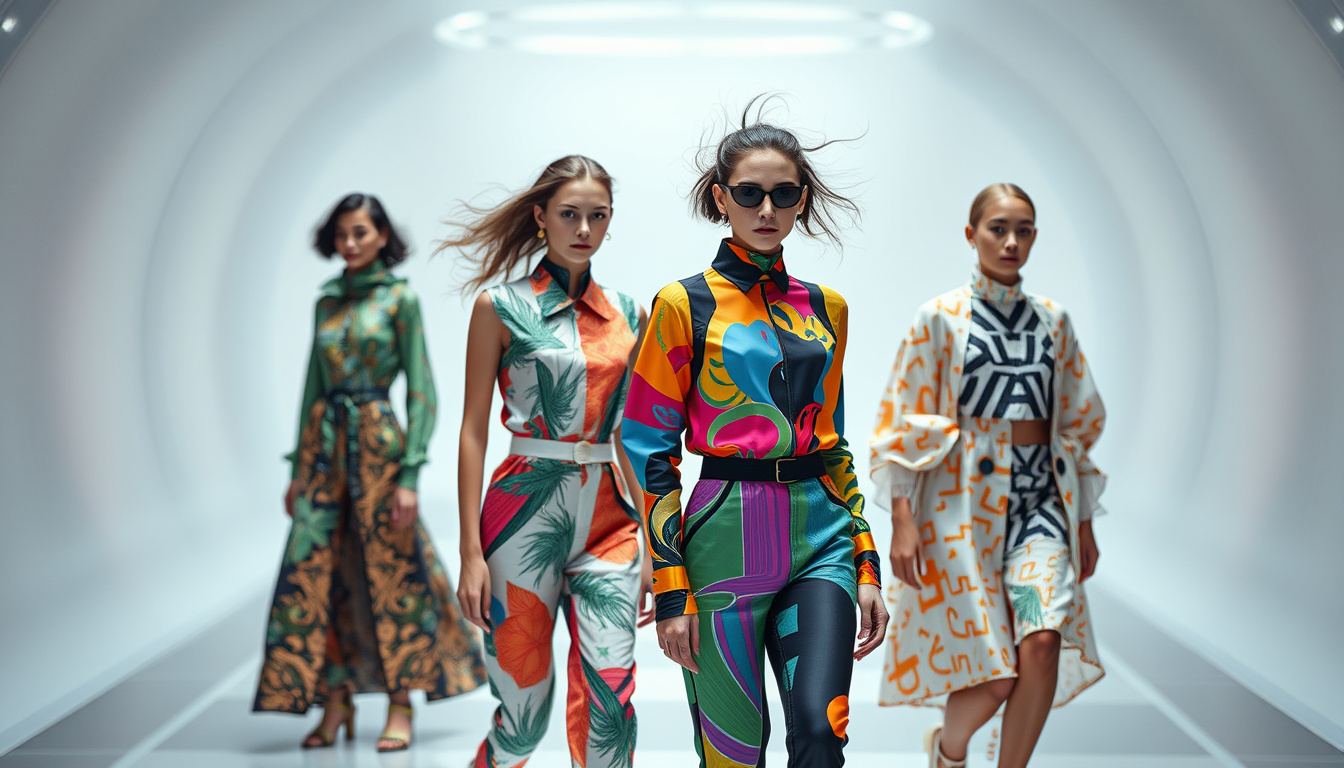
Changing Fashion Photography: HuHu AI Studio Leads the Way with AI-Powered Image Creation

Introduction to HuHu AI Studio

In the fashion world, change comes fast. HuHu AI Studio uses artificial intelligence to change how brands make and manage images. Three big fashion brands now use this tool. They earn more than $100 million each. They saw a 43% boost in customer interest and a 17% rise in sales. They also cut costs and work faster. Old methods could not do this.

The Power of AI in Fashion Image Creation

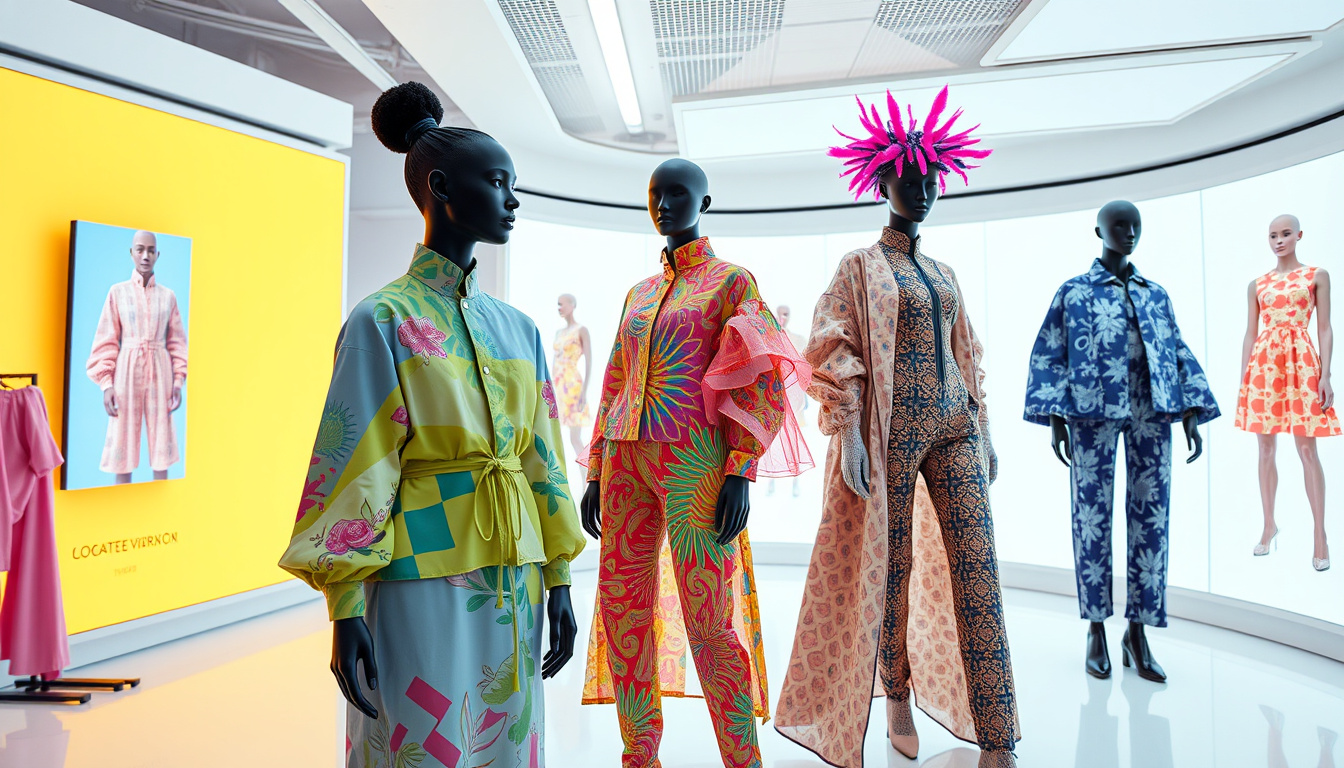
HuHu AI Studio combines AI with human skills. It creates thousands of quality images in a few days instead of many weeks. The tool lets brands pick models, set scenes, and choose styles that match their look. The system gives brands clear control over their visuals.

Tianqiang Liu, CEO of HuHu AI, said, "HuHu AI Studio changes how brands make and use images. Our AI makes work faster and cuts costs while keeping each brand’s look."

Addressing Challenges in Old Fashion Photography

Old fashion photography shows many problems. Costs run high. Work takes a long time. Options stay few. These problems slow down product launches and raise expenses. Finding models, locations, and style adds more work and cost. The final images may not work as hoped.

HuHu AI Studio fixes these issues with a clear AI tool. The tool generates different models and scenes. Brands can create visuals that match their marketing plans. This tool cuts extra steps. It helps brands and teams make images that boost customer interest and grow sales while staying true to the brand look.

Conclusion

Fashion brands seek new ways to boost their marketing. HuHu AI Studio stands at the front of this change. It cuts costs, speeds up work, and lifts customer interest and sales. The AI tool helps brands meet the fast needs of the market. With HuHu AI Studio, the future of fashion photography is here. It brings new ways to work fast and keep each brand’s look.
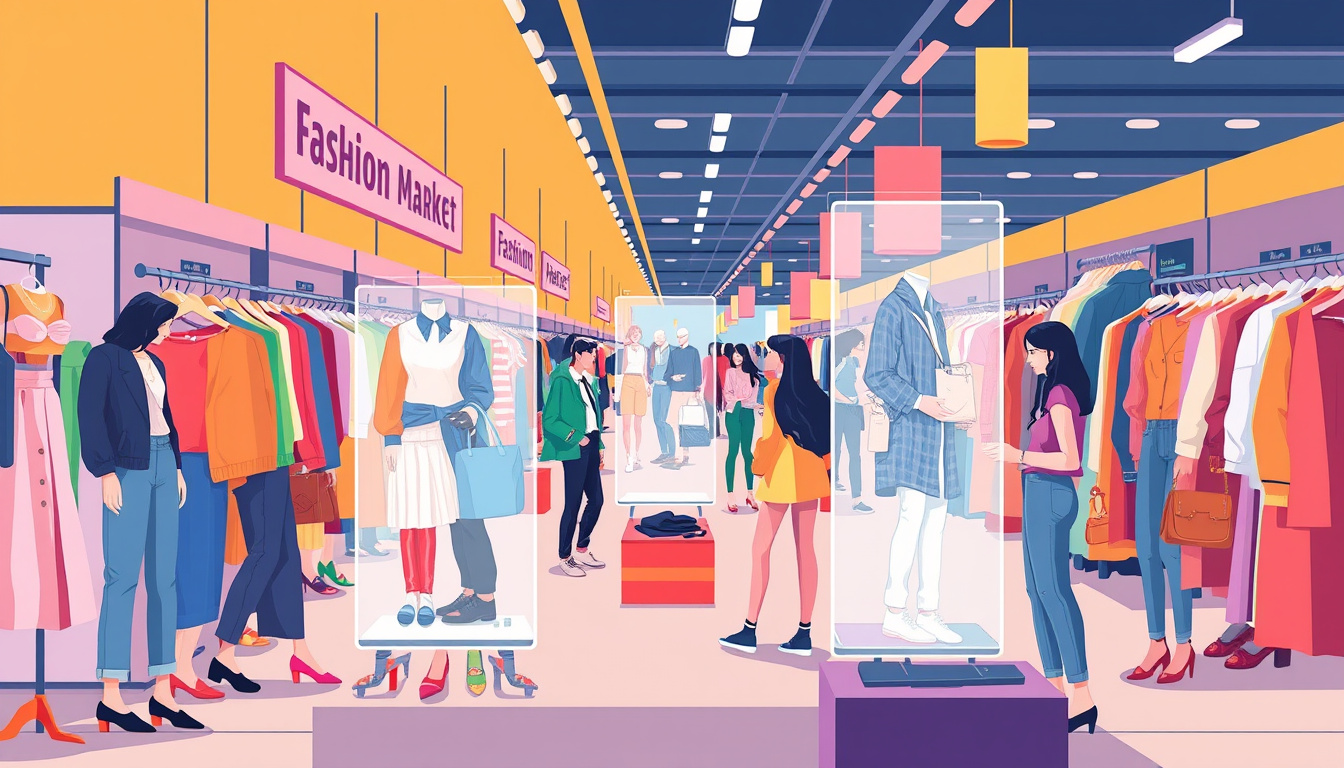
AI Meets Fashion: How Digital Assistants Can Help You Choose the Perfect Outfit for March’s Unpredictable Weather

AI Meets Fashion: How Digital Assistants Can Help You Choose the Perfect Outfit for March's Unpredictable Weather

Can AI Help Us Dress for March Madness?

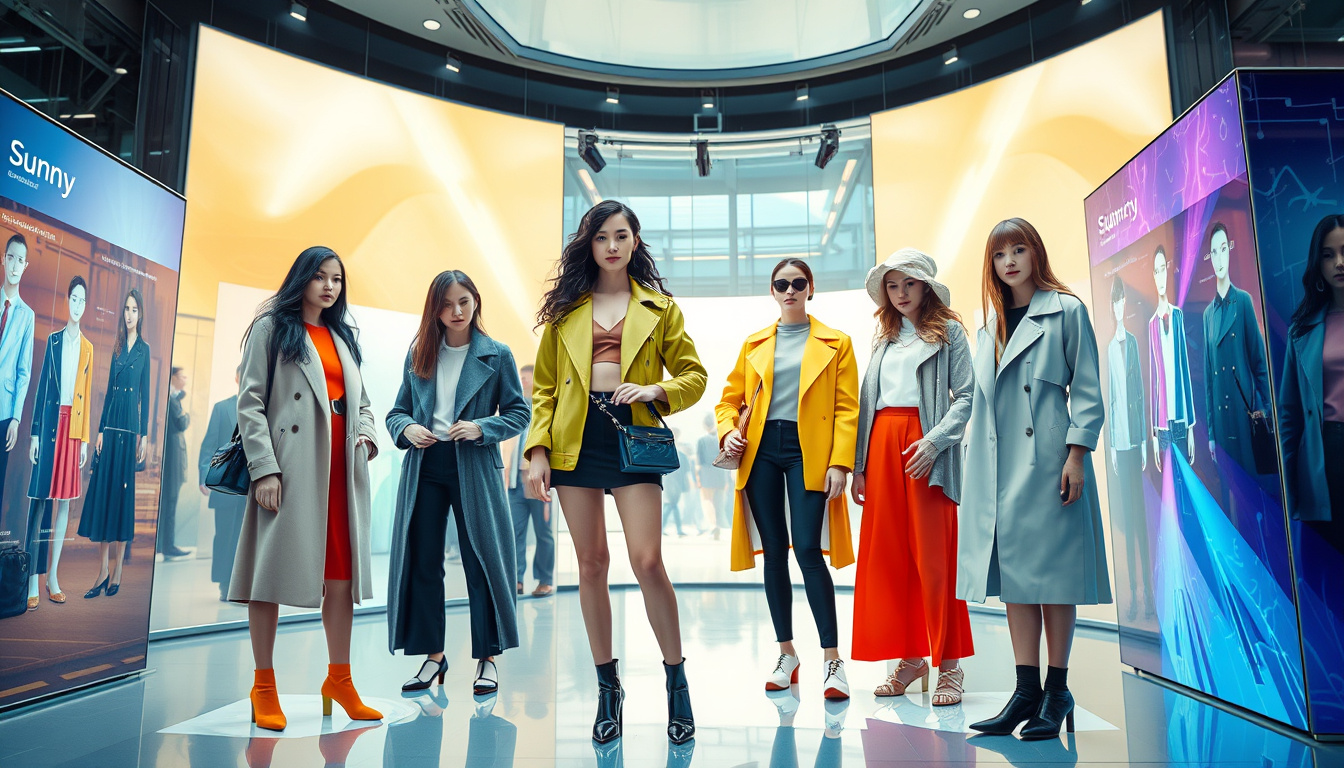
Winter cool fades; spring warmth grows. March sits in between. The weather feels mixed. Mornings stay cool; afternoons warm up. Many feel lost when they choose clothes. Sweaters mix with short sleeves, jeans pair with shorts. Can AI help pick an outfit?

A Weather-Driven Dressing Dilemma

I check the weather each night before work. My routine tool, Alexa, tells me the forecast. It speaks: low is 48°F, high is 58°F, and rain falls all day. I feel uncertain about my clothes. I ask, "Can AI help me decide?"

Exploring AI Fashion Advisory

I use my iPhone to ask Gemini Flash model 2.0. I say, "If I show you my closet, what should I wear tomorrow?" The response says it cannot see my closet. Still, it gives a reply. It suggests wearing layers. I should start with a long-sleeve shirt or a light sweater and add a rainproof jacket. It even hints at packing a scarf and gloves. I wonder if it knows I might stay indoors; I need a reply that fits me better.

A Comparison with Siri

I then try Siri on my iPhone 16 Pro Max. I ask the same question. Siri only recites the weather report. It does not add any clothing advice. I hope Siri gets better at this soon.

ChatGPT to the Rescue

I reach out to ChatGPT 4.0 next. I ask it for help with my outfit choice. ChatGPT asks me to turn on my iPhone camera so it may see my closet. After a quick look, it advises a long-sleeve shirt with a light jacket or sweater and comfortable pants. Our talk feels clear and close. AI responds in a way that suits my needs.

Navigating Color Blindness

I see colors, but I have trouble with subtle shades. I once asked my wife each morning for a second look at my clothes. I then ask Gemini about my blue plaid shirt with jeans. Gemini confirms the colors work well. It names my shirt "blue plaid" even though I once thought it appeared black. I feel thankful for this check. When I check with ChatGPT, its reply also tells me my clothes match well. This news makes me feel sure about my style.

The Future of AI Fashion Advice

Both Gemini and ChatGPT give me useful advice. None can yet scan my entire closet or read the weather with one click. Still, these tools help me today. In our digital world, smart assistants aid our daily choices, even when March weather flips. With more progress, smart dressing may come soon.


AI keeps growing smarter. We may soon have tools that decide our outfits with data and clear checks. Whether you face mixed March weather or plan a night out, these aids could join our daily routines.

AI-Driven Boom: How Technology is Transforming the Secondhand Fashion Market

AI-Driven Boom: How Technology is Transforming the Secondhand Fashion Market

Artificial Intelligence Fuels Surge in Secondhand Clothing Sales, Industry Leaders Claim

The fashion industry shifts. Secondhand clothing sales rise as artificial intelligence grows. James Reinhart, chief executive of ThredUp, one of the largest online resale sites, points out that global sales of used garments grew 15% last year. That growth came in at more than four times the pace of the overall fashion market.

Growing Market Share for Secondhand Clothing

Analysts at GlobalData, paid by ThredUp, show that sales of pre-owned clothing now hit around $227 billion (£175 billion). This sum makes up 9% of worldwide fashion sales. The number is much larger than it was five years ago. It shows that resale sites now claim a share once held by major brands.

Sales of secondhand clothing are expected to rise by 11% this year. AI search tools now help buyers find the items they want. These tools keep related words close, so shoppers quickly see choices based on past purchases.

Influencing Factors and Consumer Trends

The economy plays a part. Tariff changes on Chinese goods may push U.S. shoppers toward used clothing. As prices climb, many Americans seek better value. Reinhart says that when money is tight, buyers turn more to resale options.

ThredUp’s report shows 58% of buyers now choose used clothing. That is an increase of 6 percentage points from last year. The figure is even higher among young people. Among those aged 18 to 29, 68% bought secondhand items last year.

Innovations Changing the Resale Landscape

New AI tools change how people shop for used clothes. They help buyers put together looks using photos. They also show more affordable picks when customers check their carts. Reinhart said these updates make buying used clothes much more straightforward than in regular stores.

Vinted, a key resale company, will open its first street shop in London this week. Visitors view collections put together by well-known influencers. Items are not sold on the spot. Big stores like Primark and Selfridges now include sections for vintage clothing.

Sales Performance and Industry Challenges

Even though sales in the resale market grow, Reinhart said they have not met the goal of 10% of the global fashion market. Budget shops such as Shein and Temu have given buyers many choices and put pressure on resale sites.

Changes to small package limits in the U.S. and Europe might add import taxes to online sellers. This change could favor resale sites. U.S. rules differ from tougher European rules on textile waste.

ThredUp itself saw a modest sales increase of 1% last year, reaching $260 million. The company also reported a $40 million loss from ongoing work after it cut its European branch. Still, Reinhart noted that the old idea of used clothing not making money does not hold. ThredUp has made a base profit for over a year.

Other firms show progress too. UK company Depop reported a 31% increase in sales to reach £71.3 million in 2023 while reducing losses. Vinted, on the other hand, enjoyed a 61% increase in sales, nearly hitting €600 million (£513 million) and made a profit for the first time.

The rise in used clothing sales shows how buyers now value saving money and care for the environment. The resale market is set to grow as new technology makes shopping simpler and faster.

Navigating March’s Fashion Dilemma: How AI Outfits Us for Unpredictable Weather

Navigating March's Fashion Dilemma: How AI Outfits Us for Unpredictable Weather

Finding Fashion Clarity with AI: A March Dilemma

Image Credit: Shutterstock

March comes in the US. The month sits close to winter and spring. Weather shifts fast. We face cold, rain, and wind. I work at home and sometimes stay in pajamas. I ask: Can AI help me pick clothes?

The Weather Check with AI

Last night, I checked the forecast. I asked Amazon’s Alexa for its view. While a new update is near, Alexa still gives clear words. It said: low at 48°F, high at 58°F, with rain all day. I needed help to choose clothes for a wet day.

Seeking AI Fashion Guidance

I wondered if broad tips fit my style. I pictured an AI that sees my closet. It could pick an outfit just for me. I tried Gemini Live on my iPhone. I said, "Show my closet. Tell me what to wear." Gemini replied that it could not see my closet yet. It gave clear tips for a rainy day. It pointed out layers like a long-sleeve tee or a light sweater. It mentioned a jacket to keep out the rain. It even suggested gloves and a scarf. I thought these might not be needed if I stayed indoors.

Siri’s Underwhelming Response

Next, I asked Siri. I held the Siri button and repeated my query. Siri spoke only the weather numbers. It did not give any style tips. I waited for a time when Siri might speak in style.

ChatGPT Steps In

Then, I turned to ChatGPT in voice mode. It spoke with a friendly tone and said, "Turn on your camera and show me your closet. I will help you choose clothes." I followed its words and scanned my closet with my iPhone. ChatGPT looked at my options. It said, "Wear a long-sleeve shirt with a light jacket or sweater and wear comfy pants." This advice felt right for a cold day.

A Personal Twist: Color Blindness

I face color blindness. This makes matching tough. In the past, my wife helped check my colors. One morning, I chose jeans and a long-sleeve shirt. I asked Gemini, "Do these go together?" Gemini replied with kind words. It said the blue plaid shirt and jeans match well. I smiled when it said the shirt was blue because my view of color can be off. I then asked ChatGPT the same. It answered, "Yes, that plaid shirt and jeans work well together!"

The Quest for an AI Fashion Guru

I still do not have an AI expert who picks my full outfit. Both Gemini and ChatGPT help me in their own way. ChatGPT can view my closet and give clear ideas. Gemini gives sound tips too. In my tests, ChatGPT led a bit ahead, though Gemini still helps when style doubts arise. As March blends cold and wet days, AI may soon close the gap between tech and my personal style. Pairing AI with fashion may help us dress with care and comfort in every kind of weather.

Fashion Forward: Unleashing Creativity and Sustainability with Generative AI

Fashion Forward: Unleashing Creativity and Sustainability with Generative AI

The Transformative Role of Artificial Intelligence in Fashion Design

By Dr. Mark Joseph O’Connell
School of Fashion, Seneca Polytechnic, Toronto, Canada
Published: August 26, 2024

Introduction: A New Era in Fashion

The fashion world changes with AI. AI works with designers, giving new tools that boost their work and speed. In April 2024, New York City held its first AI Fashion Week. The event put AI next to human ideas. Vogue Business noted that designers sat with machines. Young talent joined with experts. This mix joined digital work with handmade design.

The Mix of AI and Human Creativity

Worry exists that machines might outshine human ideas. At AI Fashion Week, designers used machine ideas to shape their work. They mixed tech with time-tested design. Both parts push the field forward. AI gives many ideas. Human taste shapes them to fit real needs.

Generative AI: A Key Change in Fashion Design

Generative AI shifts how designers work. It helps them to:

  • Create New Patterns and Styles: AI checks lots of images and makes fresh ideas.
  • Spot Fashion Trends: Data from shows and social feeds gives brands a head start.
  • Test New Materials: Designers try unusual cloth and textures to form new pieces.

AI also cuts time from design work. Real-time changes and online try-ons let buyers see fits and cuts. Buyers get clear views without a store visit. This system aids both shop work and returns.

AI’s Reach in Other Areas

AI reaches far beyond fashion. In schools, AI helps each student learn on their own pace. It makes group work more smooth. In business, AI cuts tasks and picks up smart clues from data. This new order brings smoother supply work and less waste. AI chatbots answer fast. In this way, staff can fix tougher issues.

Ethics and the Call for Smart Growth

As we bring in AI, we must sort out right and wrong. New tech can change how ideas are owned and how work affects our world. The fashion scene must use AI with care and aim to keep nature well. Choices now set the tone for future work.

The Future of Fashion Design

Soon, AI Fashion Week plans to show more work. There will be runways with machine-made ideas in big cities. This mix of live shows and tech work will widen how many can make art. AI in fashion speeds up work and makes the shop feel personal. As machines grow smarter, they will shift how we plan, make, and wear clothes.

In sum, the long views on AI in fashion are still forming. Yet, the promise for new work and careful use stays strong. As style meets tech, deeper talks on how to work in tune follow.

Keywords: Generative AI, Fashion Design, Creative Innovation, Ethical Questions, Human-AI Teamwork

The Boom of Secondhand Fashion: How AI and Economic Pressures are Transforming Resale Markets

The Boom of Secondhand Fashion: How AI and Economic Pressures are Transforming Resale Markets

AI Expected to Drive Growth in Secondhand Clothing Sales, Industry Leader Says

AI drives growth for used clothing sales. James Reinhart runs ThredUp. He heads one large online resale site. Global sales grew by 15% last year. This growth beats the wider market. Experts expect more gains with new tech.

Rising Popularity of Secondhand Market

Used clothing now adds up to $227 billion. This sum makes up 9% of all fashion sales. A recent GlobalData report shows these facts. In just five years, the market has grown fast. Traditional stores lose some of their share.

Reinhart sees good times ahead. He predicts an 11% rise in used clothing sales next year. AI search tools help buyers find what they want. These tools keep item and idea links close.

Reinhart said, "The market will lead soon. It will not face the same tariff pressures as other parts. When buyers feel less sure, they seek more value."

AI Technology Updates

AI now helps with outfit ideas and finding items by picture. Some tools let buyers set up a look. Others let them compare cheaper finds. New tech makes shopping for used clothes more fun than buying new.

A study found 58% of buyers chose used clothing last year. This was a 6-point jump from 2023. Young shoppers lead this change; 68% of them chose used items. Sites like Vinted, Depop, ThredUp, and eBay add to this shift.

Retail Changes and Collaborations

Used clothing grows as Vinted opens its first London pop-up this week. The pop-up shows collections from well-known fashion names like Susie Lau and Victoria Magrath. Stores such as Primark and Selfridges now add vintage sections.

Vinted grew 61% in sales last year. Sales reached nearly €600 million in 2023. Yet, Reinhart said used clothing growth did not meet all hopes. ThredUp aims for a 10% share in global fashion. Budget shops like Shein and Temu pull cost-minded buyers. This step fuels strong retail rivalry.

New Rules on the Way

Rule changes in the US and Europe may hit Chinese sellers hard. New limits may stop these sellers from shipping without taxes. These changes could help resale sites gain ground.

ThredUp saw a small rise of 1% to $260 million last year. The site lost $40 million in ongoing operations. Part of this loss came when it left its unprofitable European market. Reinhart stands firm. He claims used retail can work.

In contrast, the UK site Depop grew 31% in sales to £71.3 million in 2023. It also cut losses by over 25% to £48.6 million. The used clothing market will stay and shape the future of fashion retail.

AI-Driven Growth: How Secondhand Clothing Sales Surge Amid Market Changes

AI-Driven Growth: How Secondhand Clothing Sales Surge Amid Market Changes

Artificial Intelligence to Boost Secondhand Clothing Sales, Says ThredUp CEO

James Reinhart, the ThredUp CEO, says new AI tools help grow the market for used clothing. Global sales of these garments jumped by 15% last year. This rise is more than four times that of the overall fashion market.

Market Insights and Growth Potential

A GlobalData report for ThredUp shows sales now total $227 billion (£175 billion). This sum makes up 9% of all fashion sales. Sales have grown quickly over the last five years. They now give more space to resellers instead of major retail chains.

New AI search tools help buyers find items with ease. Analysts expect sales to climb 11% this year. The tools match outfits to well-known styles and give buyers low-cost choices. James Reinhart says that tough economic times push US shoppers toward used clothing. He said the market will move ahead when consumers see price rises on imported goods.

Growing Acceptance of Pre-Loved Fashion

More people now choose used clothing. One study found that 58% of buyers considered pre-owned items last year. Among younger shoppers, 68% looked for used options.

Several online resale sites assist in this change. Sites like Vinted, Depop, ThredUp, and eBay help buyers find what they need. This week, Vinted will open a high street shop in London. Influencers such as Susie Lau and Victoria Magrath guide the new collection. Big shops like Primark and Selfridges now add vintage sections to their stores. Vinted saw sales grow by 61% in 2023, reaching nearly €600 million (£513 million).

Challenges and Future Prospects

The market did not reach every target. Secondhand clothing still does not hit 10% of total fashion sales. Retailers like Shein and Temu bring buyers cheap choices that slow growth in used clothing. Changes in US and European rules may hit Chinese sellers. These rules could force extra taxes, which may help firms like ThredUp.

ThredUp saw sales grow by 1% to $260 million last year, though it lost $40 million from daily work. Reinhart said the company still made a profit in core operations. In the UK, Depop grew sales by 31% to £71.3 million in 2023 while cutting losses to £48.6 million. Vinted’s 61% sales jump shows that used clothing continues to gain a larger share in retail.

Tech changes meet new buyer views. The future for used clothing shines and promises more growth in fashion.

D-Congress 2025: Explore the Future of Retail, AI, and Sustainability in Sweden’s Vibrant E-Commerce Landscape

D-Congress 2025: Explore the Future of Retail, AI, and Sustainability in Sweden's Vibrant E-Commerce Landscape

D-Congress 2025: Pioneering Innovation in Sweden’s E-commerce and Fashion Scene

A Platform for Advancement

Sweden leads in digital trade. The city of Gothenburg hosted D-Congress on March 5-6, 2025. This event stands as the largest in the Nordics. Industry heads met and spoke on the future of retail, new trends, green work, and fresh ideas. The meeting built on Sweden’s deep culture and strong network in music, fashion, and tech.

Visionary Leadership at the Forefront

Per Ljungberg, Chief Innovation Officer at Swedish Commerce, praised Sweden’s mix of culture, clear planning, and smart rules. He said, "Sweden runs on trade and rich culture. Our leaders plan ahead. Our brands lead at home and abroad." The Prime Minister spoke too. His talk stressed the event’s role in boosting new ideas and trade while celebrating the nation’s green work.

Embracing AI and Its Implications

AI took a key role at the event. Nicklas Hermansson, an AI expert, spoke of a future where many jobs may change. His words called on workers and firms to shift with new times. Dr. Achim Berg, a guide in global fashion and luxury, spoke of shifts in the sector. In a session led by Grace Banks, Digital Director at Culted, AI’s work in bringing fresh ideas and green plans came clear.

E-commerce Strategies

Experts met to share online trade plans and profit paths. Casper Lie from Global-e said his firm works to grow internet sales amid rules and market issues. Listeners saw paths for brands like Pandora. The firm posted a 21% boost in online sales with an AI-based many-channel plan. Leaders like Martin Börjesson from J.Lindeberg and Sylvia Wennberg from H&M spoke on joining green plans with work. Their talk touched on lowering returns and speeding work while keeping profit.

TikTok and AI Innovations

A section on TikTok and AI also took place. Tools such as Smart+ and Symphony help run posts and ad plans. Entrepreneurs Anna Erlandsson and Jacob Friberg shared real cases. Brands like Stronger and Swappie used TikTok to lift sales and name.

The Future of Retail

Christian Krebs from Pandora showed how the firm makes affordable luxury feel real. His team works with Agentic AI to craft a personal buying trip. Their aim sits in making a shop feel true on a screen while pushing online sales high. Sebastian Siemiatkowski, CEO of Klarna, told how the firm shifts in fintech. He said Klarna stays ahead as tech and trade change fast.

Conclusion: The AI Change Ahead

D-Congress 2025 lit the role of AI in changing fashion, trade, and media. The talks asked firms to accept new work methods to keep pace. As in-store and online merge, the ideas shared serve as a guide for success in an age told by AI. Sweden stands strong and holds its lead in trade and fresh ideas.

Revolutionizing Fashion: How Generative AI is Shaping the Future of Design and Creativity

Revolutionizing Fashion: How Generative AI is Shaping the Future of Design and Creativity

The Transformative Role of AI in Fashion Design: Innovations and Future Directions

By Dr. Mark Joseph O’Connell
School of Fashion, Seneca Polytechnic, Toronto, Canada
Published: August 26, 2024

AI now helps fashion design. It adds new tools that boost art and save time. One tool, generative AI, lets designers form fresh patterns, craft new styles, and guess trends by checking big data. This text reviews ways AI shapes fashion and its role in schools, business, and art.

A New Era in Fashion Design

AI changes how designers work. In April 2024, New York held its first AI Fashion Week. New designers mixed art with AI. The crowd and experts, such as makeup artist Pat McGrath and designer Norma Kamali, picked the best work. Winners got help from AI Fashion Week’s tech team. Their designs soon made it to online shops like Revolve.

Some worry that AI may take over art. The show proved that a human touch makes AI work better. Designers now work side by side with AI while keeping their own skills strong.

Enhancements in Operational Efficiency

AI cuts waste in business. It streamlines work and cuts out dull tasks. AI tools let brands run shops that fit each buyer. Virtual try-on tools let customers see clothes on a screen before a buy. This step cuts returns and lifts smiles.

AI also helps work in a green way. It saves resources and cuts waste. Young shops using AI set stock plans smartly. They make work lean and trim costs.

The Impact on Fashion Education

AI also changes how schools teach fashion work. It turns lessons into a more personal path. Teachers now match tasks to each student’s pace. Students join in groups. They mix their skills with tech and grow in their field.

Addressing Ethical Considerations

AI makes new steps in fashion work. It makes some ask how AI affects jobs, art, and buying habits. People now talk of ways to add AI in a safe, green mode. Studies point to AI that helps design work, runs business, and alters class methods. Ongoing talks keep this work alive.

Conclusion: A Collaborative Future

AI forms a new shift in how fashion works. AI Fashion Week showed that art run by tech can work well when teamed with human skill. New designs now come from a clear mix of digital work and a human hand. AI makes design open to many new voices. The task ahead is to use AI with care while keeping safe choices for art and work.

DXC Technology Partners with Parfois Group: Revolutionizing Customer Experience Through Data-Driven Insights

DXC Technology Partners with Parfois Group: Revolutionizing Customer Experience Through Data-Driven Insights

DXC Technology Partners with Parfois Group to Improve Customer Experience through Data-Driven Personalization

New York, NY – DXC Technology (NYSE: DXC), a global tech firm, joins with Parfois Group, a top Portuguese fashion brand. DXC and Parfois now work side by side. They use data with smart tools to better serve each customer.

Investing in Data Intelligence

Parfois runs over 1,000 shops in 67 lands and grows its online store. Parfois now adds more data work. The firm uses smart data work to shape each buyer’s visit. At its heart, the deal brings in the Snowflake data system. Parfois inspects buyer data with AI tools that predict what buyers need. This work tells Parfois how buyers act and like. It helps the brand win more sales and deepen its bond with shoppers.

Real-Time Insights and Operational Efficiency

The join gives Parfois new ways to work fast. The tool shows live data with clear panels. This live view helps leaders see shifts in buyer actions. It lets them act quick when trends occur. Nuno Moura Pinheiro, Head of Data & AI at DXC in Portugal, said, "We work with Parfois to put customers first. We feel proud to aid this famous brand. We give leaders data that helps them decide fast and well."

An Evolving Industry Landscape

Today, retail leans on data. Data now helps brands meet buyer needs. With data work, firms match what buyers ask. This link builds trust and wins more sales. DXC brings new tools in this fast field. The join with Parfois fits well with DXC’s plan to deliver high-value data work. It helps show that smart data use may shape retail in the years ahead.

Recognition in the Industry

DXC won praise in Whitelane Research’s 2024/2025 European IT Sourcing Study. This join with Parfois shows DXC helps firms update tech while keeping work smooth. As Parfois Group takes this step, it shows that data matters in retail. The move hints at how the field may change soon.

For more information about DXC Technology and its services, please visit their website.

Affiliate Disclosure: FashionNewsGF.com is a participant in the Amazon Services LLC Associates Program, an affiliate advertising program designed to provide a means for sites to earn advertising fees by advertising and linking to Amazon.com. As an Amazon Associate we earn from qualifying purchases. Learn more