Explore the Extraordinary: Art Exhibitions, Fashion Trends, and Insights into Modern Living for 2025

Explore the Extraordinary: Art Exhibitions, Fashion Trends, and Insights into Modern Living for 2025

Timely News Update: Upcoming Cultural Events and Trends

Spring comes with many events. New art shows and lifestyle ideas rise. They share local stories and creative work. Here are some key posts and their main points.

Art & Design: "Hành trình Huỳnh Phương Đông" Exhibition

An exhibition named "Hành trình Huỳnh Phương Đông" takes place soon. The show marks the art of famous painter Huỳnh Phương Đông. It also marks three anniversaries. Museums, the painter’s family, and SANN – The House of Art work as one. They mark the 50th year of Southern Vietnam’s Reunification, 100 years since the Indochina College of Fine Arts began, and the 100th birthday of Huỳnh Phương Đông. The event brings the painter’s work and the region’s history close.

Published on March 16, 2025 by Uyên Thi.

Voyage & Gourmet: The Keyword of Connection in Travel

Travel today means a strong bond with people, nature, and oneself. The year 2025 calls the bond “connection.” Trips now are not just visits. They let travelers meet others and find calm in new places.

Published on March 16, 2025 by Thanh Ngân.

L’O Love: Artistic Interpretations of Lady Dior

The Dior Lady Art exhibition returns for its ninth edition. Eleven artists work with the well-known Lady Dior bag. Each one turns the bag into art in their own way. The show ties art and fashion close.

Published on March 16, 2025 by Olivia.

Love & Life: Understanding the Art of Flirting

Flirting can be a fun part of romance. It also calls for a clear skill. Some use old methods; others try a more relaxed way. Your style of flirting helps in the quest for love. This post looks at the parts that shape attraction.

Published on March 16, 2025 by Ngọc Linh.

Style: Milan Fashion Week 2025 Streetwear Highlights

Milan Fashion Week 2025 marks big dates. Fendi celebrates 100 years. DSquared2 marks 30 years, and Lorenzo Serafini makes his debut with Alberta Ferretti. The runway shows strong style and street looks. The event ties high art with everyday wear.

Published on March 2, 2025 by Phoebe.

Art & Design: "L’Invitation" by Director Leon Quang Le

Director Leon Quang Le creates "L’Invitation." His work turns a film idea into a stage play. A traditional cải lương troupe comes to life with red velvet curtains, live instruments, and weekend shows. The play brings a dreamlike feel to local art.

Published on March 16, 2025 by Bảo Châu.

Beauty: Dunk Natachai’s Journey with Armani Beauty in Vietnam

At Crescent Mall, Armani Beauty opens a new shop in Vietnam. Thai actor Natachai Boonprasert, known as Dunk, joins the event. The visit marks a big step for the brand. Fans meet Dunk and enjoy the new store.

Published on March 15, 2025 by Hang Nga.

Style: Transition in Leadership at Versace

Donatella Versace steps down after nearly 30 years as creative head. Her work changed the look of the brand. Now, the fashion world waits to see who will fill her role. Rumor has it the former head of Miu Miu might take the job.

Published on March 14, 2025 by Uyn.

These stories show how art and style shape our lives. Stay with us for more news and clear views on these themes.
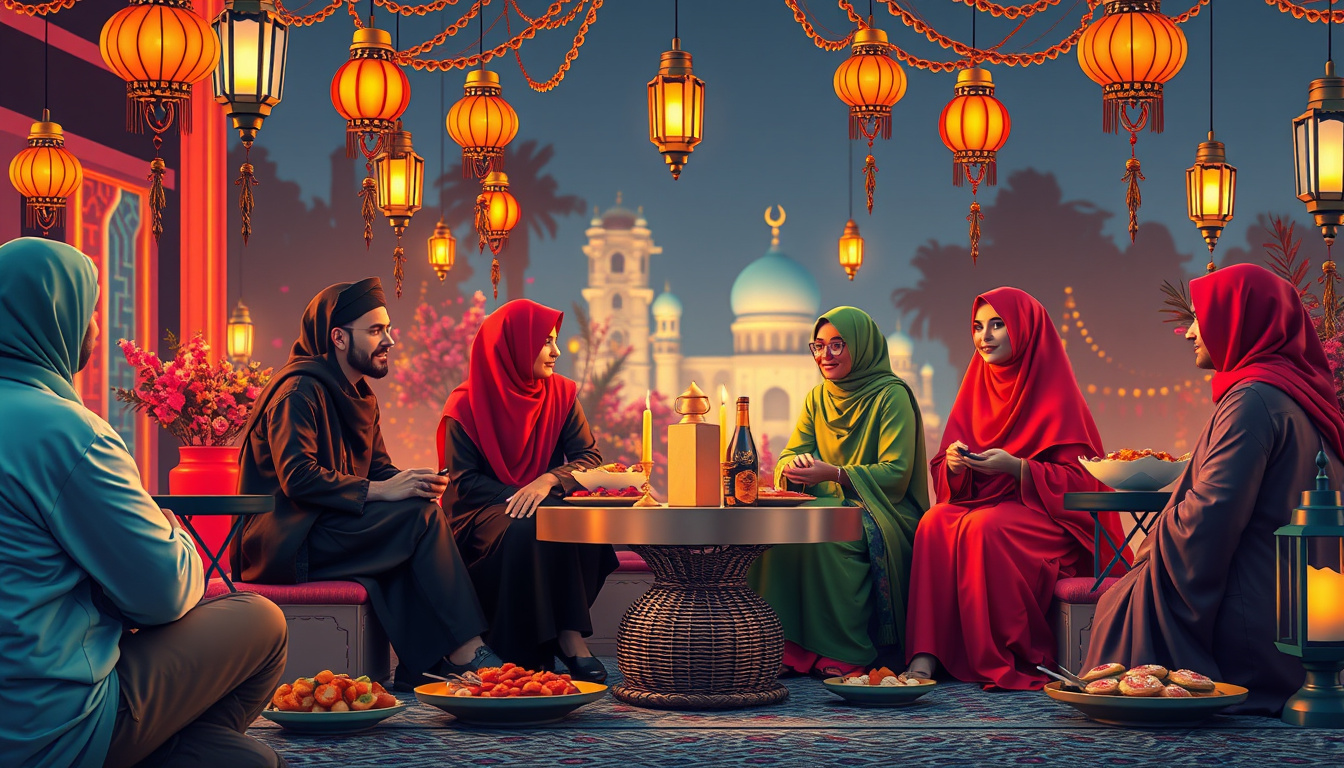
Celebrate Ramadan in Style: Lacoste’s Innovative AI-Driven Campaign with Refal Hady and Dewi Paramita

Celebrate Ramadan in Style: Lacoste's Innovative AI-Driven Campaign with Refal Hady and Dewi Paramita

Lacoste Unveils New Ramadan 2025 Campaign, Blending Tradition with AI

Jakarta, Indonesia — As Ramadan nears, Lacoste introduces its Ramadan 2025 campaign. The campaign ties old beliefs with new tech. It brings people together, calls for sharing, and joins celebration with modern AI tools.

A Mix of Style and Spirit

This campaign shows two well-known Indonesian faces: Refal Hady and Dewi Paramita. They balance everyday life with deeper values. Refal Hady is a popular actor known for his mix of roles and style. Dewi Paramita, a rising fashion face, connects with many through her fresh look. Their images stay close to Lacoste’s style and message in Indonesia.

Merging AI with Tradition

Lacoste uses AI to build clear, sharp visuals. The design takes hints from quiet desert scenes and rich sunset colors. Tennis, the core of the brand, finds a place in the art. Turquoise and orange bring to mind the soft glow of evening and match the calm of Iftar. A moon in the sky marks Ramadan’s deep meaning.

The tech and old ways join in this work. AI shapes images that speak simply and clearly. The story stays true to Lacoste and builds a bond with its fans in this special time.

Special Ramadan Collection

Lacoste will also show new clothes from its Spring Summer 2025 line. The clothes fit every part of Ramadan life. They work well for family time and quiet moments alone. Light fits, warm shades, and familiar details make the look both neat and easy.

In-Store and Online Experience

Fans will see this work in Lacoste boutiques in Indonesia. The stores will show themes and fun parts made just for this time. The Digital Flagship at www.lacoste.com/id gives buyers a new way to shop. This site helps connect buyers with the feel of Ramadan in the Lacoste style.

Conclusion

Lacoste’s Ramadan 2025 campaign is a mix of new tech and old ways. With modern AI and faces that feel real, the brand aims to give an easy and clear story that fits the spirit of Ramadan.

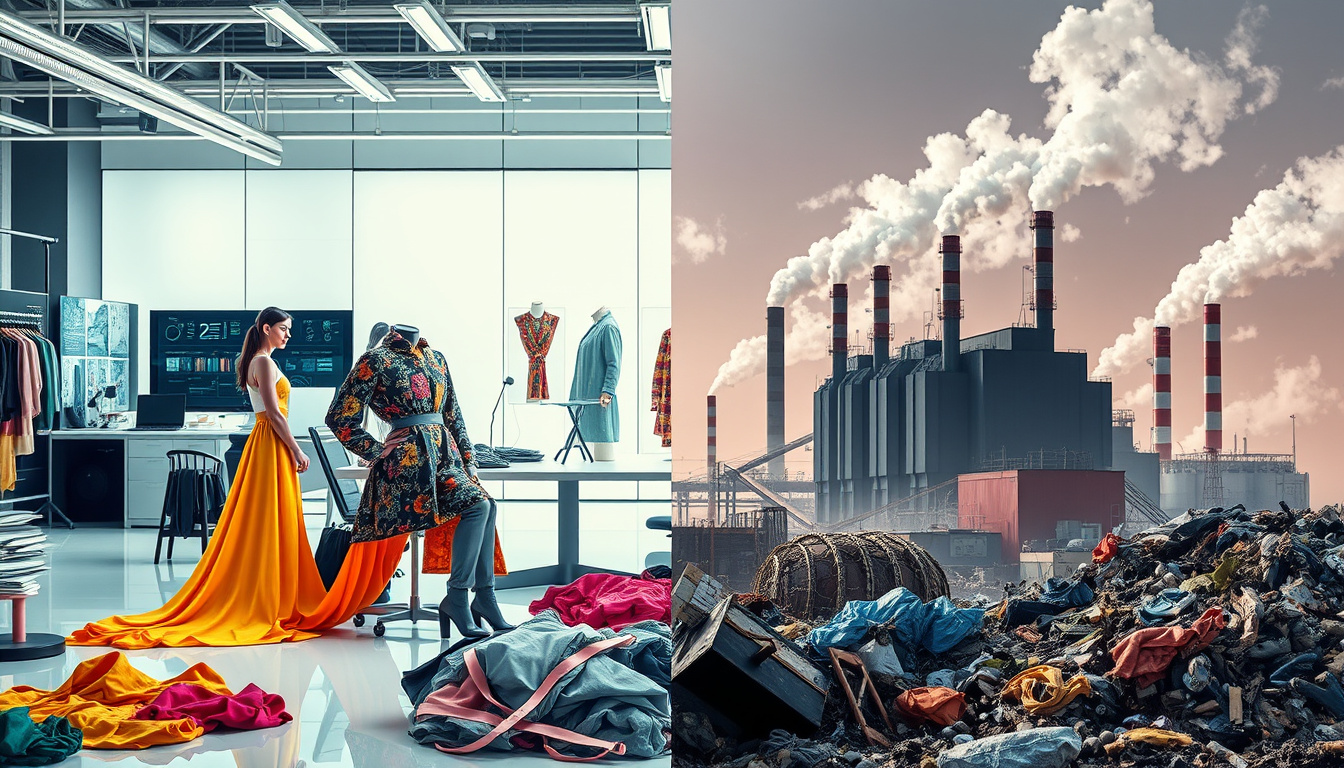
Navigating the Double-Edged Sword of Generative AI in Fashion: Efficiency Gains vs. Environmental Costs

Navigating the Double-Edged Sword of Generative AI in Fashion: Efficiency Gains vs. Environmental Costs

The Promising Yet Problematic Future of Generative AI in Fashion

The fashion industry shifts as new tools appear. Generative AI acts as a force for change. It works with data and speeds up tasks. Supporters say it can change design and supply steps. Yet many ask about its cost to nature.

Profit Potential and Industry Predictions

A 2023 report by McKinsey shows a profit rise. AI may add $275 billion in profit within three to five years. Smart code and machine learning help AI make images and sort tasks. It brings parts that once stood apart into close work.

Rising Environmental Concerns

Tech fans cheer for AI. Critics worry over its cost to nature. Data centers use much electricity and water. These centers work hard but stress brands that cut carbon. The parts for hardware also use natural goods and create waste. Some startups use private data for training but find it hard to keep tabs on nature costs.

The Role of Industry Giants

Small firms point to the big names like OpenAI, Alphabet, Amazon, and Microsoft. These firms drive a need for heavy energy tools and large model training. In 2023, Google used more power in its centers. Microsoft also recorded a rise in emissions. Both say that their AI work needs much energy. As brands adopt AI, they question if its gains can balance its nature toll.

Current Applications in Fashion

Some brands now use AI for many tasks. They create images for online stores and ads. Saks Fifth Avenue uses a tool from Salesforce to serve customers. The luxury brand LVMH builds an AI system to plan its work steps. A company called WGSN makes a tool that helps buyers trust data. Maison Meta works with many brands for AI-made campaigns. Its team makes digital ads with less use of real photos. The founder, Cyril Foiret, says saving time and money comes first while saving nature comes next.

Generative AI and Design Efficiency

Design teams now use AI to create samples and final items. By training with private data, teams try many design routes. A technology like Refabric cuts waste with digital sampling instead of hundreds of samples. A software called Vaayu tracks the cost of product work by showing many ways to cut waste. Still, some fear that fast use of AI can result in making too many pieces, which may add strain to nature.

The Challenge of Measuring Environmental Impact

Running AI needs many systems. Data centers use great amounts of power and water to cool machines. A study found that Microsoft’s GPT-3 needed about 700,000 liters of water for its servers. Reports show AI’s carbon mark grows fast. Predictions say that by 2027, AI centers may use power like small nations. A 2025 survey finds that half of the top leaders see that AI adds emissions, though few keep a clear check on it. Some startups, such as Fashable, keep a record of waste, yet it remains hard to compare gains from AI with those from older ways.

Conclusion

Generative AI in fashion shows great promise in speeding work and boosting profit. Yet the cost to nature still brings many concerns. Fashion brands now face a choice between fast, data-based work and steps to protect nature. As AI grows, the industry must keep new tech and care for the earth close in step.

Revolutionizing Resale: How Messina Hembry and Aistetic are Pioneering AI Solutions for Profitable Pre-Loved Fashion

Revolutionizing Resale: How Messina Hembry and Aistetic are Pioneering AI Solutions for Profitable Pre-Loved Fashion

Messina Hembry Partners with Aistetic to Transform Pre-Loved Fashion Resale

Messina Hembry, a firm that sells pre-owned fashion, joins with Aistetic, a spinout from Oxford University. The two work to make reselling easier and more profitable. They aim to solve key cost and growth challenges.

Messina Hembry: Leading in Pre-Loved Fashion

Messina Hembry lists over 7,000 new items every week. This strength makes the firm a strong name in pre-owned fashion. More people choose used clothes for style and care of the Earth. The need for simple, clear shops grows.

AI Technology Makes Listing Simpler

Aistetic brings a smart tool that reads pictures. The tool picks details from garment photos. It cuts down on the need for manual tagging, description, and listing. Zac Hembry, CEO of Messina Hembry, said, "Aistetic’s tool has changed how we work. We now list items three times faster, cut extra work by 70%, and see more sales from clear, quick tags."

Resale Fashion on the Rise

eBay searches for "pre-loved fashion" grew by 400% since summer 2024. Seventy-one percent of Gen Z shows a strong link with this market. Some sellers, even with profit, face hidden costs that halt growth. In cases like ThredUp and The RealReal, public launches brought new challenges. Each used garment needs care in re-merchandising. The work calls for quality checks and good photos and makes one-item orders hard to handle.

Better Shopping through New Tools

The join of Messina Hembry and Aistetic cuts extra steps for shops. With clear AI tags, stores list more items and reduce customer fuss from clutter. Duncan McKay, CEO of Aistetic, said, "Our goal is to help shops grow with smart AI tools while keeping our world in mind. Working with Messina Hembry helps stores list more items and boost the buying path. This work also supports a cycle of reuse in fashion."

Conclusion

The join of Messina Hembry and Aistetic is a step forward in pre-loved fashion sales. With AI help, the partners plan to raise profits and work well. As the call for used fashion grows, such simple ideas shape what comes next.

Fashion Meets Fantasy: La Double J and Giuseppe Di Morabito Ignite Milan Fashion Week with Magical Realism and AI Innovation

Fashion Meets Fantasy: La Double J and Giuseppe Di Morabito Ignite Milan Fashion Week with Magical Realism and AI Innovation

Milan Fashion Week: La Double J and Giuseppe Di Morabito Embrace Magical Realism and Technology in 2025 Collections

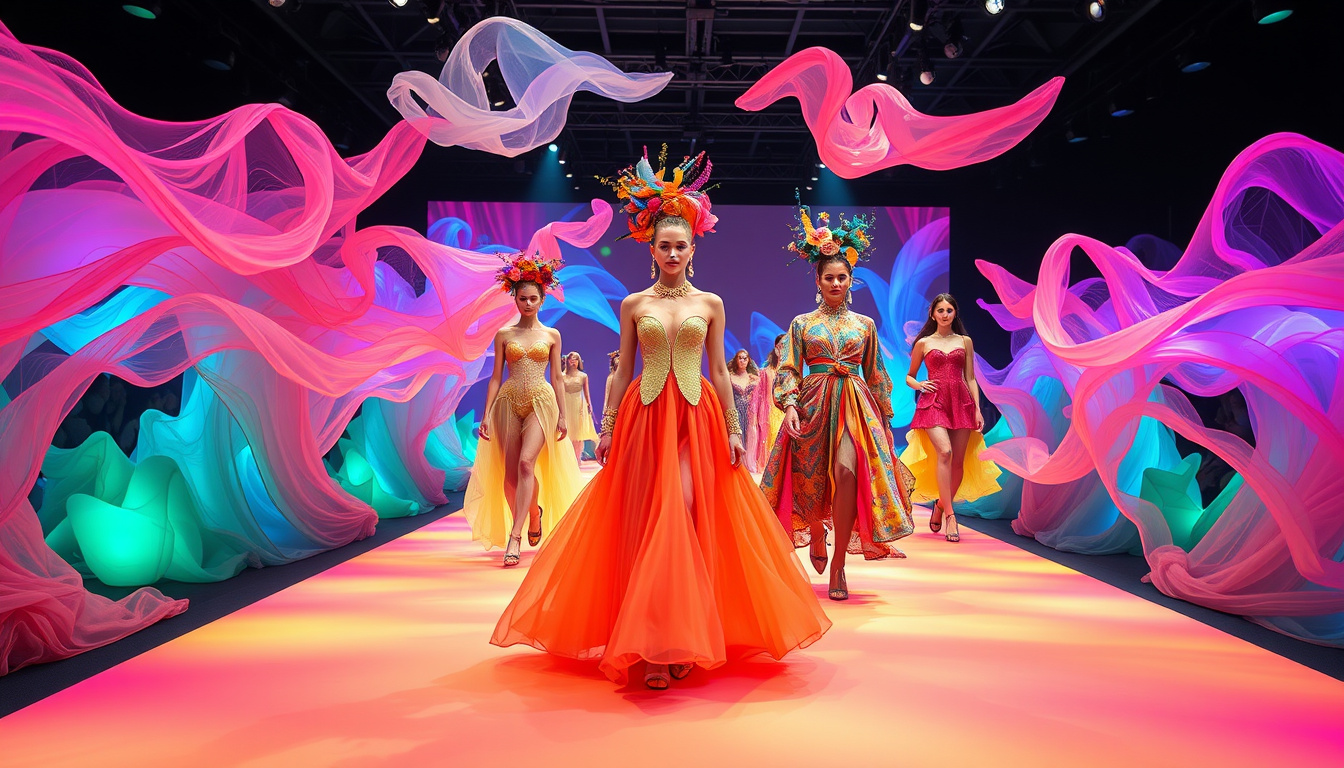
Milan, Italy – Milan Fashion Week shines with shows that mix fashion, tech, and art. La Double J presents its fall 2025 line and Giuseppe Di Morabito shows his creative work. Both mix magic with modern devices in clear, close word pairs.

La Double J: A Celebration of Celestial Inspirations

La Double J, led by designer J.J. Martin, drew the crowd with a line called “Magical Matter.” Martin built his work on ideas of personal spirit. He paired a bohemian look with images of the sky and the earth. He chose Palazzo Visconti di Modrone for his show. Models wore loose garments with bright floral shapes and prints that recall styles of the 1960s and 70s.

Martin turned the old palace into a playful world. He set soft lights near every display, hung large windmills from the ceiling, and placed odd flower groups on tables. Each word and sight sits near its pair. Martin wished the show to join sight, sound, and touch. On Instagram, he wrote that his line ties the charm of the sky with the feel of earthly life. His clothes reach those who seek close ties in a fast-moving world.

Giuseppe Di Morabito: The Mix of Fashion and Robots

Giuseppe Di Morabito took a new step with his show by using the advanced robot Ameca. The robot stood in the show as a key part of the design. Di Morabito said, “Ameca felt like my other self. Its human look spoke a clear story of now. Hard fabrics meet soft textures here.” He put light, draped cloth next to strong, metal forms. The collection used many textures such as soft fur, shaped leather, and bright fabrics. He spoke of old cuts with modern shapes. “I found old ideas and gave them today’s taste,” he said. His words rest close to each design.

The Future of Fashion: Merging Art, Machines, and Spirit

A report from WGSN says AI can act as a friend to those who feel alone. The World Health Organization named loneliness as a health risk. AI friends rank as a top tech trend for 2025. This news shows a growing tie between humans and machines. Designers use new tech that sits near each creative idea to add to their work.

At Milan Fashion Week, La Double J and Giuseppe Di Morabito lead change. Their work binds art, tech, and spirit with clear, close links. They give us a peek at what lies ahead in the world of fashion.

Revolutionizing Fashion: The Transformative Power of Generative AI in Design and Consumer Experience

Revolutionizing Fashion: The Transformative Power of Generative AI in Design and Consumer Experience

The Role of Open AI in Fashion Design: Changing Creativity by New Tools

By Dr. Mark Joseph O’Connell
School of Fashion, Seneca Polytechnic, Toronto, Canada
Published: August 26, 2024

Introduction: A New Era in Fashion Design

The fashion field shifts fast. AI works close with designers. Generative AI adds new tools for design. The new AI Fashion Week showed these tools in use. Young makers mix tech with art.

The Impact of Generative AI on Fashion

Generative AI changes the art of making clothes. Designers use AI to read data on buyers, social updates, and style links. They make new prints and cuts with AI. This method cuts waste and saves time. AI builds real-time changes in clothes. Virtual try-on helps clients see a fit. It may cut returns and lift buyer joy.

Changing Fashion Education

AI touches school work in fashion too. It shifts class tasks and lessons based on each student’s work. Teachers use AI to shape group work and new ideas. This work builds a base for tomorrow’s makers.

The Growing Role of AI in Many Fields

AI works in more than fashion. In business, AI runs small jobs and clears the way for work that needs thought. In code making, AI checks work and sorts tasks. This study reviews new AI steps in clothes and talks on tech work and care for art.

AI Fashion Week: A Case Study in New Tools

At AI Fashion Week in Soho, NYC on April 20-21, special makers met. They used AI to cut cloth and shape design. Works mixed AI’s shape with old skills in handwork. A crowd and a small team of art experts, like makeup artist Pat McGrath and designer Norma Kamali, chose the best art. Winners saw their ideas made real and sold. The show mixed digital work with shop floors.

Ethical Questions and Care in New Tech

AI in fashion builds art and cuts waste. It also makes us ask about work and who owns ideas. As tech grows and changes, the art field must work with caution. We must keep work fair and safe. Good talks help bring the gains and keep risk low.

Conclusion: A Team Effort for Fashion

AI in fashion is more than new tech. It brings old art and new tools to one space. AI can shape ideas and cut work hours. The best art comes from makers and AI as one team. New steps like AI Fashion Week may become a feature in big cities. They bring art close to many hands. New work makes art wide and safe for all.

In short, AI in clothes builds both work chances and tough asks. It pushes the field to go to new spaces while keeping art clear and fair.

Dreams in Digital: Exploring AI-Driven Fashion Campaigns by Sybille de Saint Louvent

Dreams in Digital: Exploring AI-Driven Fashion Campaigns by Sybille de Saint Louvent

Artificial Intelligence Meets High Fashion: A New Era of AI-Generated Campaigns

In a fast-changing fashion scene, a new method grabs eyes and sparks thought. Independent creative director Sybille de Saint Louvent works with AI to create art. She builds worlds where art and tech meet. Her work asks if AI can join fashion.

A Look at AI-Made Fashion

For Jil Sander, one striking image shows a model who looks up at a large stone head. Her eyes are closed as if she shares a secret. For Prada, another image groups models in soft tones. Their faces and shoulders form a patch of shapes seen from above. These images come from AI, without real models, real clothes, or brand deals.

Sybille de Saint Louvent has worked in art for more than ten years. About a year and a half ago, she tried AI. At first, her aim was small. In recent months, she makes one new campaign each day for social media. This method helps her put ideas to work when her mind is full.

"I saw the AI work as a strong tool," she said. She means that AI makes content fast. This speed helps when a real photo shoot can slow progress with many tasks to plan.

The Growth of AI in Marketing

The start of AI work changes how brands market. Many businesses test AI to create digital models and social images. In McKinsey’s report "The State of Fashion 2024," 26% of leaders try AI for visual work. Early tests showed images that felt machine-made. Now, new tech makes art that feels more true. Sybille de Saint Louvent’s art shows that AI can do many tasks. Her work hints that one day, AI may be used by many brands.

Gucci asked her to make art on the idea of two sides for their Fall/Winter 2025 show. In her video, a thoughtful woman stands behind and looks into a mirror. The mirror does not show her face but a man’s outline. Projects like this widen the use of AI in high fashion, where a strong tale and art rule.

The Human Touch in AI Art

Even with AI skills, de Saint Louvent says that a human mind brings heart to art. "It will not take away the feeling," she said. Artists set the idea and guide the art. Her style puts the story first, not just the product. In one project for Victoria Beckham, a coat sits in a soft armchair. The scene feels like a dream, not just a garment on display.

She directs the AI with clear, full prompts. She warns that AI can sometimes use old images if not told well. She also fixes pictures by hand to improve their look. Her work uses soft, neutral tones to keep the mood smooth.

Industry Impact and Future Paths

Sybille de Saint Louvent’s new campaigns bring praise and call new business. Some brands ask for help with both real photos and AI work.

The fashion field now sees many talks on joining AI to daily work. Many firms want new ideas to meet new needs.

Sybille de Saint Louvent’s work shows a shift in fashion marketing. AI now helps the art instead of replacing the human spark. As brands use this new tool, the mix of tech and art will keep the deep feelings in fashion.

Revolutionizing Fashion: The Impact of Generative AI on Design, Creativity, and Customer Experience

Revolutionizing Fashion: The Impact of Generative AI on Design, Creativity, and Customer Experience

Transforming Fashion Design: The Integration of Artificial Intelligence

By Dr. Mark Joseph O’Connell
School of Fashion, Seneca Polytechnic
Toronto, Canada
Published: August 26, 2024

The fashion world changes as AI joins design work. Designers mix data with skill to find new ideas. AI tools yield unique patterns and styles. AI reads large sets of data to point out what comes next. This text shows how AI helps creative work, improves shop visits, and sets the stage for future growth.

The Impact of Generative AI on Fashion Design

Generative AI shifts how designers work. Designers take data from social media and shop habits. AI finds clues in that data and points to future styles. The tool helps designers push boundaries with new looks and materials.

AI also allows clothing to adjust in real time to match one customer. The system sees buy history and site clicks to hint a design made for one eye. The result is a shop that feels close and clear.

Improving Customer Experiences

AI changes the link between clients and brands. Virtual try-ons and mix-up screens let buyers see a fit before they buy. This method adds strength to the buying step and can cut the count of returns.

AI aids in mapping shop supply chains, predicting when many people want the same item while controlling stock. This plan helps companies use less waste and save parts. Chat systems run by AI deal with questions and orders fast. Human workers then focus on cases that need a human touch.

The Role of AI in Fashion Education

AI now reaches the school side of fashion too. Smart tools give students a way to learn at their own pace on adaptable programs. Students join with peers on projects where tech meets art. This work prepares them for times when mind and machine work as one.

Ethical Considerations and Literature Review

As fashion meets AI, experts watch how this work touches on fairness. The use of AI calls for a care that keeps nature and human work in view. This review looks at past work on AI and fashion and sees both the gain and the risks that come with new tech.

Conclusion: A Future of Responsible Innovation

New events like AI Fashion Week show promises where tech and cloth meet. Even if some see risk when machines join art, each part proves that work between human and AI is strong. The mix of tech advances with hand work helps design grow with care.

Looking ahead, the field joins AI with a plan that sees long-end effects on art and craft. With AI’s steady role in design, the fashion world readies a new time filled with open creative space.

Revolutionizing Fashion: Meet Doji, the AI-Powered Virtual Try-On App Captivating the Tech World

Revolutionizing Fashion: Meet Doji, the AI-Powered Virtual Try-On App Captivating the Tech World

New AI Virtual Try-On Startup Doji Excites Fashion Tech Fans

Doji is a startup in virtual try-on tech. It uses AI to make lifelike avatars. Users see clothes on their digital selves at home. The tech world and fashion fans like this idea. The app grabs the attention of tech leaders and early users.

Significant Investment and Backing

Doji got early funding. Alexis Ohanian led a group called Seven Seven Six. Origins Fund joined the group too. The startup did not say the sum. Ohanian, a Reddit co-founder, posted on Twitter: "Shopping is fun again with AI." He shared fit photos made by the app.

Chris Vanzetta, a partner at Seven Seven Six, said that making a real online dressing room is a big win. Many have tried virtual try-on before. With smart AI and good style, Doji gives users a true try-on feel.

Founders’ Vision and User Experience

Dorian Dargan and Jim Winkens started Doji. They once worked at Meta and Google DeepMind. They built this app for real users. Dargan said, "We began this project for ourselves, and that is why it works well for people." The design fits real needs rather than just showing off tech.

The app is simple to use. Users send several selfies and two full-body photos. In about 20 minutes, the AI makes an avatar. The app shows clothes and lets users add items from other shops with buy links. The process makes it easy to see and get clothes.

Industry Buzz and User Insights

Tech investors now see promise in AI at the app level. Jim Winkens said smart investors note that much value in AI sits in the app. Doji is not alone in virtual try-on. A tool called Vybe raised $4.75 million in seed funding last summer.

Early users give good feedback. Jane Manchun Wong found Doji on social media. She liked how the app chose clothes for her. "It picks items that match well," she said. Karine Hsu from Slope liked the mix of high-fashion items and everyday wear. She even went to a store to compare the fit using a photo from the app.

Conclusion

AI is changing many fields. Doji stands out in fashion tech with smart AI and a focus on real users. The startup excites tech fans, investors, and shoppers alike. It will grow and may change how we shop online.

Revolutionizing Online Fashion Shopping: Meet Daydream, Your AI-Powered Personal Stylist

Revolutionizing Online Fashion Shopping: Meet Daydream, Your AI-Powered Personal Stylist

Daydream: The AI Shopping Assistant Set to Change Online Fashion Retail

Today, shopping online can feel too much. Daydream is a search engine that helps shop for clothes. Julie Bornstein co-founded Daydream. It uses smart AI to give style advice like a real helper.

Changing Online Shopping

Julie showed a beta version at the BoF VOICES event in Oxfordshire last November. She calls Daydream "ChatGPT for shopping." The tool cuts out long hours of clicking through many websites like Instagram, Amazon, and Net-a-Porter. Instead, it brings choices together in one simple space.

"We’re building a stylist for everyone," Julie said. Daydream will soon launch in the U.S. and then work in other regions.

A Shopping Experience with Clear Features

Imran Amed, BoF CEO, calls Daydream a tool that helps people find products online with smart tech. The system uses generative AI, machine learning, and computer vision. It cuts down the problem of too much information. With $50 million in seed funds, the team works with brands such as Gucci, Jimmy Choo, H&M, and Net-a-Porter. Today, the site shows more than a million items from over 5,000 brands, with plans to add even more.

Personalized Shopping Made Easy

Daydream stands apart by giving each shopper a personal touch. A user may type, for example, "burgundy dress with an odd shape for an evening event." In response, the tool shows curated product choices. Julie has a long history in online selling and AI. She helped start The Yes, which became part of Pinterest in 2022. Now, she works with a team of style experts to keep up with trends.

Linking Shoppers and Brands

When a shopper finds a product they like, they go straight to the brand’s website. Daydream does not process payments. This way, customers deal directly with brands. Shoppers can also share their finds with friends to get quick feedback. The founding team brings experience from firms like Google, Microsoft, and Amazon, which helps Daydream grow in online fashion.

Daydream in India: Questions and Prospects

As Daydream prepares to launch, people wonder if it will work well in India. A report shows that 39% of Gen Z consumers in India choose online luxury. Journalist Sujata Assomull asks if Daydream will include small, unique brands. Designer Karan Torani says that while Daydream may help find streetwear and mid-price fashion, shoppers looking for high-end items might still want the full, hands-on experience. For very expensive items, customers want to touch and feel before spending.

Conclusion

The fashion world now welcomes more smart tech. Daydream may change online shopping with its clear and user-friendly service. What happens next will depend on smart steps in different markets. Soon, shoppers may find a better way to shop for fashion in the digital space.

Affiliate Disclosure: FashionNewsGF.com is a participant in the Amazon Services LLC Associates Program, an affiliate advertising program designed to provide a means for sites to earn advertising fees by advertising and linking to Amazon.com. As an Amazon Associate we earn from qualifying purchases. Learn more