Revolutionizing Online Shopping: Unisize Launches FaceChange AI for Virtual Try-Ons

Revolutionizing Online Shopping: Unisize Launches FaceChange AI for Virtual Try-Ons

Unisize Introduces FaceChange AI Technology for Virtual Try-Ons

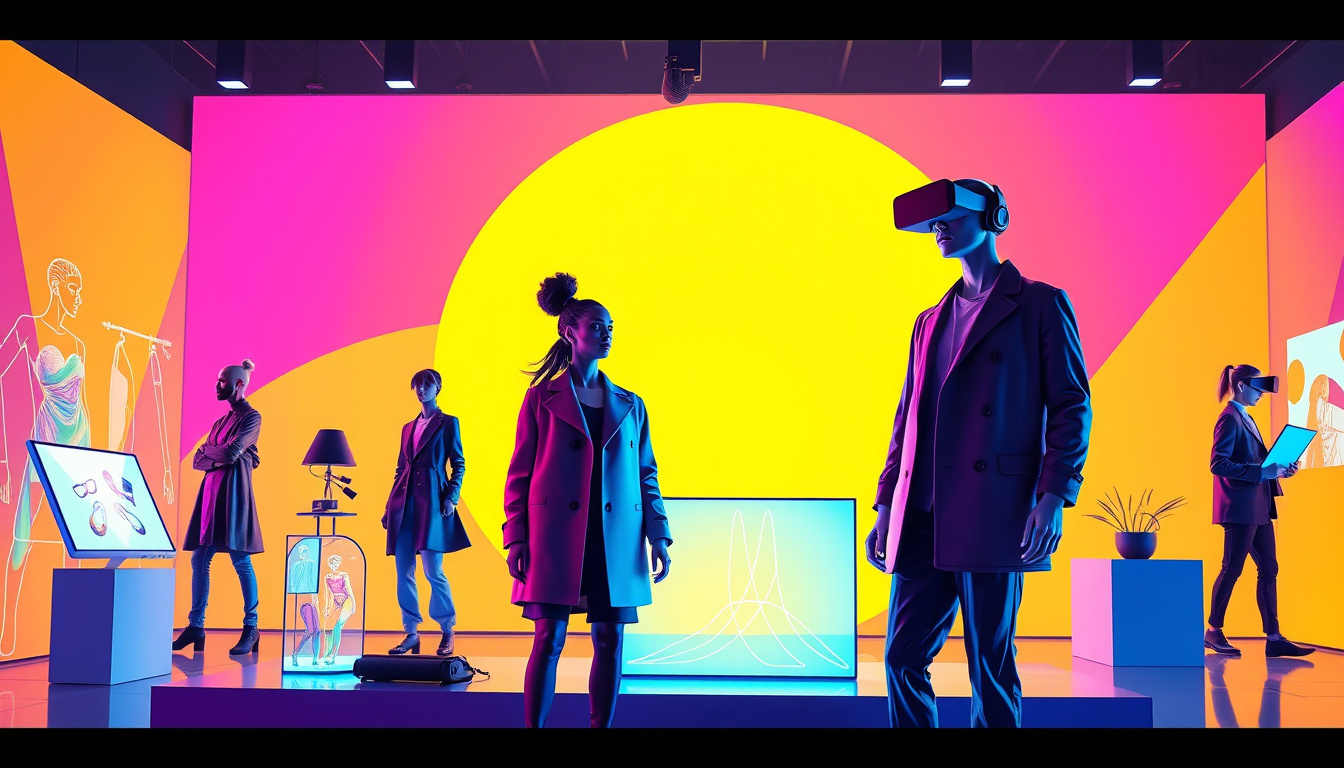
LONDON, April 14, 2025 (GLOBE NEWSWIRE) — Makip London Ltd. shows a new update in its Unisize software. The update adds FaceChange AI. This tool lets online buyers try on clothing. It swaps the model’s face with a user’s own. The swap sets skin tone, face shape, and hair style close to life.

A New Era of Virtual Try-Ons

FaceChange lets a user upload a photo of themselves. The tool then swaps the model’s face with that of the user. This switch puts the user’s own features very near the displayed clothes. The view makes it clear how each item may look. Buyers see a closer match when their own face appears on the model.

Shingo Tsukamoto, CEO of Makip Co. Ltd., said, "Our FaceChange AI gives online buyers a way to try on clothes. The tool gives quick visual feedback so that buyers can pick the right size and feel good about their look."

Proven Success in Japan

The tool has served Japan since 2023 and helped boost sales. In Japan, retailers saw sales grow by four times*. Users report a 112% rise in satisfaction when they shop with FaceChange. Testimonies show that seeing a familiar face makes shopping easier. One user said, "It is clear and easy to use. I can see how I might appear with the product."

Survey Insights

A survey of 2,572 users ran from September 27, 2024, to March 13, 2025. Many users said FaceChange helped them check fit and style. They liked that they could see their face with each clothing item. Many comments mentioned the ease of viewing colors and styles on a face that suits their own.

Looking Ahead

Tsukamoto said FaceChange marks a big step for online shopping. The tool makes the online experience feel more like a store visit. "FaceChange AI moves forward. Soon, Unisize will check both body shape and facial look to give a more personal fit," he said.

Makip now works with more than 300 online retail and eCommerce sites. This work spans brands such as Tommy Hilfiger, Calvin Klein, and Lacoste.

About Makip and FaceChange

Makip started in Tokyo in 2015. The firm works to make online shopping better with its sizing technology. FaceChange began in Japan in November 2024. It is now set to change UK eCommerce. The AI tool helps buyers see clothing on a face that is much like their own.

For more on FaceChange and to see a demo, visit FaceChange Demo.

For media help, please contact:
Shingo Tsukamoto, CEO, Makip London Ltd.
72-74 Dean St, London, W1D 3SG, UNITED KINGDOM
Email: [email protected]

Sales gain and satisfaction metrics come from reports comparing users who used FaceChange with those who did not.

Revolutionizing Fashion: How AI-Powered Eco-Friendly Practices Are Reducing Waste in Indonesia

Revolutionizing Fashion: How AI-Powered Eco-Friendly Practices Are Reducing Waste in Indonesia

Exploring Eco-Friendly Fashion Through AI Technology: A Sustainable Solution to Reduce Waste

By Sumiyati
March 4, 2025 – 20:46 WIB

The Rapid Growth of Indonesia’s Fashion Industry

Indonesia’s fashion industry grows fast. The sector expands in Southeast Asia. This growth brings many problems. The use of unsustainable materials spreads. Many items use polyester. Polyester production needs much water, energy, and chemicals. Its slow decay adds to long-term harm. The industry must shift toward green methods.

Increasing Awareness of Sustainable Fashion

People around the world now care more about green fashion. In Indonesia, few use eco-friendly ideas. Malik Thariani, Co-Founder and Director of TONIQUE, states,
"Most fashion still uses polyester. Its low cost hurts our land. We prove that green fashion does not mean high cost."

Innovations in Design: AI Technology Takes Center Stage

TONIQUE now applies AI in design work. They let machines shape patterns, craft samples, and cut waste. Malik says,
"We want green clothing for everyone. At TONIQUE, our clothes are both smart and green."
Their work uses cotton. Cotton needs less water, saving up to 2,000 liters per item compared to polyester products.

A Vision for Sustainable Fashion

Malik Thariani started TONIQUE with Monica Suseno and Smejo Chacko. They share one aim: green fashion for all. Smejo notes,
"There is a gap in local green fashion. Indonesia lags behind European trends. Yet, change is now. Green products can be made with care and low cost."
The brand starts "One Tree Per Order" in March 2025. One tree grows for each item sold. This step helps our land.

Conclusion

Indonesia’s fashion moves forward. Brands like TONIQUE lead safe practices with AI. Their work cuts waste and cares for nature. This merge of green steps and new tech shows a promising path. Fashion may soon be both smart and kind to the earth.

Revolutionizing Elegance: How AI is Shaping the Future of Luxury Shopping

Revolutionizing Elegance: How AI is Shaping the Future of Luxury Shopping

How AI Will Transform the Luxury Shopping Experience

By Natasha Bird
Published: April 14, 2025

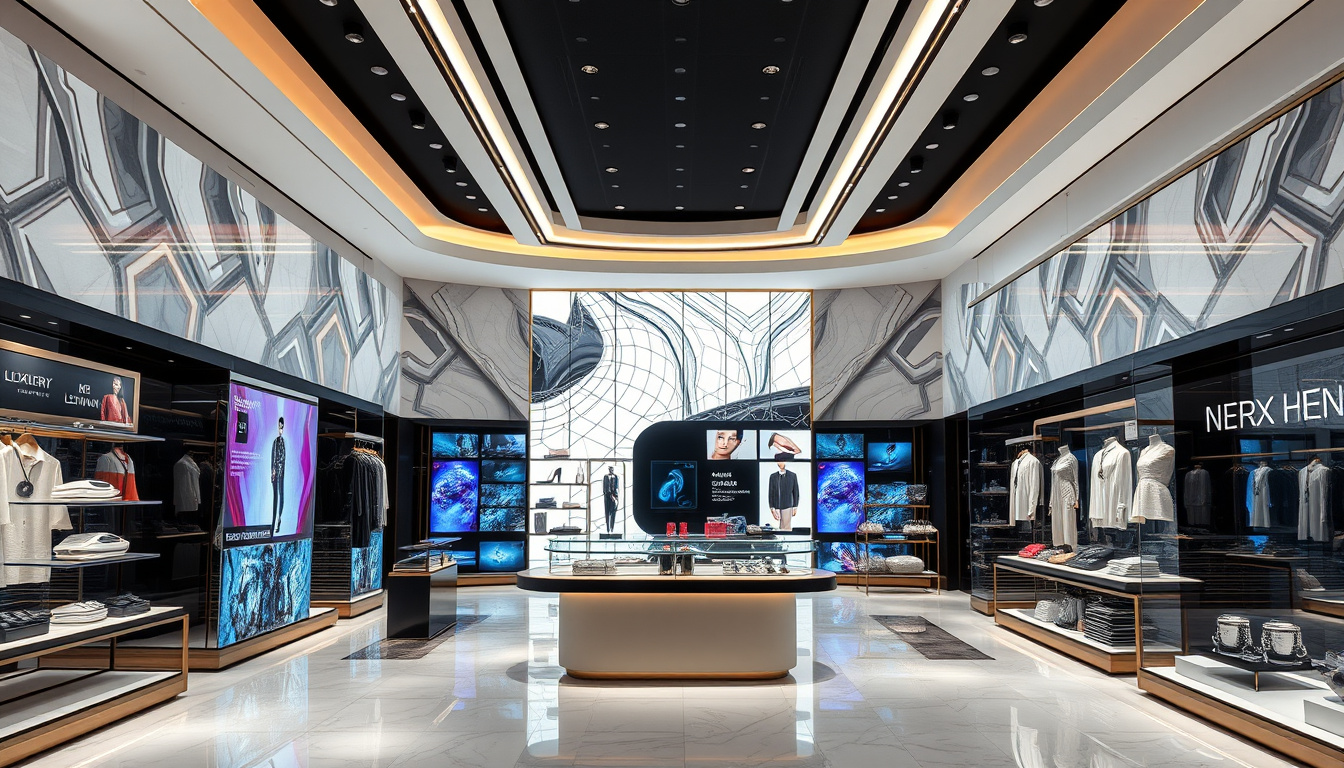
The luxury shopping world shifts fast. AI changes our experience in ways once not seen. AI works in online shops and brick-and-mortar stores. Smart tech now runs behind the scenes and changes how buyers meet brands.

A New Age of Online Shopping

Online stores now rely on AI. Shops such as Net-a-Porter, Moda Operandi, and Farfetch use AI to fit the shopping trip to each person. Soon, you will see clearer virtual try-ons and AI style help that learns your taste with time. For example, Net-a-Porter tests AI personal help that picks items based on past buys and clicks. Moda Operandi uses machine learn to set trends so buyers get items early. Farfetch works with AI to speed up stock and delivery. This change makes shipping faster and the trip custom to you.

Improved In-Store Experiences

Luxury shops have long prized personal service. Now, brands add AI steps to improve the store feel. LVMH builds an AI tool that lets sales staff know a client’s needs as they approach the counter. Imagine a store that sets the air just right, holds a snack you like, and shows clothes in your size. These tools help the staff work better with each guest instead of cutting the role of people. Paloma Juncos from Loewe calls this "augmented help" that keeps a close, warm touch in service.

AI as a Tool for Creativity

In design, AI prompts new ideas in fashion. Some fear this may hurt the art in design. Many see it as a way to spark fresh views. Fashion maker Norma Kamali works with AI to check her past work and form new takes. With such tech, designers add new thoughts beside old craft.

Customization Changed

The luxury world loves a made-to-fit touch. AI now sets new steps in custom work. Bespoke pieces used to be hard to get. With programs like Clo 3D, customers can set their own measures, style hints, and cloth picks. The AI then makes a design for machine cutting. This step can lower waste and gives each buyer a unique piece.

Preserving Fashion Legacies

AI can keep the style of well-known designers in time. It scans old work and known looks. Many famed houses may work with AI to repeat their key design signs. Brunello Cucinelli sees AI as a friendly hand. It gives a spark that helps future designers keep classic marks while finding new lines.

Conclusion

AI stands ready to change luxury shopping in a big way. With custom online sites, improved stores, and fresh design work, AI acts as more than just a tool. It shapes a buying trip that is quick, personal, and rich with care for art and craft. In this new age, luxury shopping is about more than the goods—it is about a close, warm journey with each purchase.

Walmart Revolutionizes Fashion with AI: Cut Lead Time by 18 Weeks Using Trend-to-Product Technology

Walmart Revolutionizes Fashion with AI: Cut Lead Time by 18 Weeks Using Trend-to-Product Technology

Walmart Uses AI Tool to Cut Fashion Lead Times by 18 Weeks

Date: April 11, 2025
Author: Hannah Abdulla


Walmart has changed how it makes fashion. It now uses an AI tool that cuts lead times by 18 weeks. The tool is named Trend-to-Product. It uses generative AI to speed up design and production.

Changing Fashion Production

The usual process takes about six months. Designers spend time studying trends from runways, social media, and trend services. Walmart now adds a new step. The tool collects data from many online sources. This data helps the team build items that match current trends fast and well.

How Trend-to-Product Works

Trend-to-Product builds mood boards with themes, colors, textures, and design ideas. Making mood boards used to take many hours. The tool now starts the boards on its own. After the boards take shape, it makes tech packs that show suppliers how to produce each item. With these tech packs, suppliers know what to do. The design-to-production process now takes one hour. Walmart can send new collections to stores and online in six to eight weeks.

Impact on Design and Production

Jen Jackson Brown, Senior Vice President for Apparel Brand and Design at Walmart US, says the tool cuts the process by 18 weeks. She says people and tech work side by side. The tool lets the team spend less time tracking trends and more time making quality items for customers.

Andrea Albright, Executive Vice President of Sourcing, welcomes the tool. She says the company saw a chance to add AI at the start of the process. She hints that the tool may find new jobs beyond fashion soon.

Conclusion

The new tool shows Walmart’s strong drive to push retail forward in fashion. AI speeds work and helps the company stay sharp in a fast-changing market. Other retailers may follow Walmart’s steps to boost their speed and meet customer needs.

Harnessing AI for Strategic Discounting: 7Learnings Report Unveils Fashion Industry Tactics Amid Rising Inflation

Harnessing AI for Strategic Discounting: 7Learnings Report Unveils Fashion Industry Tactics Amid Rising Inflation

AI-Driven Discount Methods Change Fashion Industry in Inflation

BERLIN, GERMANY – The fashion sector faces inflation. A new report by 7Learnings and Dealavo shows how pricing shifts occur in the market. Pricing data comes from 966 brands and 1,006 retailers. The study covers trends in 2023 and 2024. ### Responding to Inflation with Smart Discounting

Retailers shift how they set prices. They raise prices for 2024 but slow the rise. They cut discount rates on some items. They do this to keep prices fair and protect their brand. The report finds that brands now set like prices on their own sites and on online shops. In the past, brands charged more on their sites. Many brands now match these prices to win customers.

The Role of AI in Price Tweaks

Retailers add AI to help with price tweaks. AI helps them choose the best discounts. AI tools study how customers buy and what the market needs. Tamaris used AI to adjust its discounts. With AI, Tamaris cut its discount rate by 5%. This cut helped raise profits and kept sales strong.

Insights from 7Learnings

Felix Hoffmann, co-founder and CEO of 7Learnings, sees data as a strong guide. He says, “Our study shows that fashion companies that add AI and smart tech can set better prices and win in the long run. Our report gives advice that helps companies adjust pricing and discount methods in future months.”

Advice for the Future

The report calls on fashion companies to focus on small, data-based discount moves. Using AI, they can fine-tune prices. Instead of wide seasonal sales, shops can act based on what buyers need. This plan helps raise profits and keeps buyers tied to the brand.

About 7Learnings

7Learnings is an AI-powered pricing firm based in Berlin. Founded in 2019, the firm helps retailers predict price effects, set the best prices, and cut manual work by up to 80%. Its clients include known brands like Westwing, Bonprix, and Tom Tailor.

For more details, please use the contact information below.

Contact:
7Learnings
Address: Engeldamm 64b, 10179 Berlin
Phone: +49 30 403677370
Email: [email protected]

The report gives a clear view of trends that help fashion retailers apply smart discount tactics. This guide shows a way to keep success in a tough market.

The Human Touch in Fashion Photography: Raphaele Sohier’s Insight on Artistry Beyond AI

The Human Touch in Fashion Photography: Raphaele Sohier's Insight on Artistry Beyond AI

The Human Touch: Raphaele Sohier on What AI Can’t Capture in Fashion Photography

By Henry Tuppen
October 7, 2023

Fashion shows shine on glossy runways and busy streets. Yet, fashion stays true when experts work side by side. Stylists, producers, photographers, and set designers join forces. Each one brings skills that build clear images.

For our Autumn/Winter 2025 (AW25) issue at New Wave Magazine, we built a team in Paris for Fashion Week. One standout was photographer Raphaele Sohier. Her work feels honest and warm in a field that grows with AI. Her photos hold a raw look in a world where machines often lead.

The Collaboration That Caught Attention

During a busy Paris week, I watched Sohier work close with her team. As events flew by, her art mixed with bright emotions. Her work broke the usual mold. Our team enjoyed her visions so much that we have teamed with her once more. This step starts a new creative phase.

When talk of AI models and tech in art comes up—such as H&M’s note on AI models—I think hard on why human links matter. Fashion is not just front-row looks; it is about true bonds and projects built with care. People give life to work when they work together.

An Insightful Conversation

I sat with Raphaele to learn how she sees fashion and photography. We talked about her start, her sparks, and her future ideas.

Beginnings in Photography

NW: How did you start with photography?
RS: I played with a camera because my dad had one. At first, I just had fun. In high school, I earned a bit for photos, but I focused on basketball and studies then.

Inspirations and Influences

NW: Who inspires your work?
RS: I look up to photographers like Elizabeta Parodina for her bold use of color, Aidan Zamiri, and Gabriel Moses. I also gain ideas from the small details of everyday life.

Working in the Field

NW: How long have you worked in this field?
RS: I have worked as a photographer for over two years. Yet, I have loved photography all my life.

NW: What makes fashion photography different?
RS: Fashion tells a story through styles and clothes. I mix light, design, and teamwork to create one clear story.

The Rise of Artificial Intelligence

NW: What do you think about H&M using AI models?
RS: I see new changes. But I do not believe machines can replace human art in photos. People seek bonds with other people. It does make me worry how fast tech grows. I trust that a human touch stays in creative work.

Celebrating Achievements

NW: Are there particular projects you remember well?
RS: Yes. Working with Vogue Arabia changed my career. Teaming up in Montreal was also a special time. We worked as a unit and grew together.

Advice for Aspiring Photographers

NW: What advice helps newcomers in photography?
RS: Stay true to who you are. Work hard on your art and on yourself. Good mental care helps shine in creative work.

Ups and Downs in the Field

NW: What obstacles do you see in your work?
RS: Keeping the same quality is hard. There is a steady push to move to the next job, and that can tire anyone.

NW: And what are the best parts?
RS: The best part is working with others who share passion. That team fire sparks new ideas.

The Creative Process

NW: How do you plan for a photo shoot?
RS: It starts with an idea. Sometimes the idea comes from a client, sometimes from me. I join up with stylists, makeup artists, and models. The goal is to stick true to our plan. On shoot day, I adjust light and camera, then work on the images later. In editing, I try small changes to get the best look.

NW: What does set preparation involve?
RS: I scout locations and plan many details. I coordinate roles with the creative leader. Teamwork helps each part fit into the whole story.

A Day on the Set

NW: How does a shoot day differ from a free day?
RS: On a shoot day, I wake early to check the plan and sketch light ideas. Off days mean editing, socializing, refreshing my portfolio, and finding fresh sparks. I mix rest and work to keep my mind clear.

The Path to Success

NW: What roles help one learn about photography?
RS: Helping established photographers is very useful. Working in production also shows how a shoot works. I once worked in real-world production. There I met a mentor who changed how I see the game.

NW: If you were not a photographer, what work would you choose?
RS: I might work in a health field like kinesiology. The study of movement has always drawn me in.

NW: How do you find work in such a busy field?
RS: Meeting new people matters a lot. Early on, I reached out, shared ideas, and worked hard until I met clients I liked.

Wrapping Up

NW: What note would you share with those new to the field?
RS: This field runs fast and is tough, but it fills you with growth if you keep learning. Change is normal. It is best to keep going; there is always a place for new looks.

Raphaele Sohier shows us a clear view of modern photography. She trusts teamwork and the warm hand of humans in work that may feel cold with tech. The future may hold new trials, but her drive and art will keep human links strong.

Unveiling the Future of Fashion: The 10 Best AI Design Tools Transforming Creativity in 2025

Unveiling the Future of Fashion: The 10 Best AI Design Tools Transforming Creativity in 2025

The Rise of AI in Fashion: 10 Best AI Fashion Designer Tools for 2025

April 1, 2025
By Alex McFarland
Unite.AI

In a fast world of fashion, tech meets style. Designers now use fresh tools to build designs quickly. AI helps them shape work in real time. This article lists ten top AI tools in April 2025. Each tool works as a partner to support art and save time.

Changing Fashion Design with AI

AI in fashion is more than a passing fad. It fuels fast changes and gives each designer space to shape their work. All types of creators, both seasoned and new, can pick up these tools. The AI stays close by, working word by word with the designer.

Here is a close look at ten AI fashion tools that mold today’s fashion.

1. The New Black

The New Black connects ideas and design in one smooth move. The platform reads short text breaks and builds cool items fast. It works for shoes, bags, and items made with 3D printing.

Key Features:

  • Produces designs based on clear input.
  • Allows quick changes and fixes.
  • Links designers with a group of makers for idea sharing.

Read Review | Visit The New Black

2. Off/Script

Called "A Kickstart for Fashion," Off/Script lets you share your sketches with others. The group votes on ideas and supports your rights. It takes care of the full design task from start to finish.

Key Features:

  • Lets the group pick the best design.
  • Runs the process from design to production.
  • Connects directly with producers who can make the piece.

Visit Off/Script

3. Ablo

Ablo opens up design for many users. It gives brands a tool to widen their work. The tool lets several makers work on one design, linking minds as a team.

Key Features:

  • Helps brands grow with smart tools.
  • Supports shared work among designers.
  • Uses AI to break old design limits.

Visit Ablo

4. YesPlz

YesPlz shifts online shopping to a new gear. It acts like a personal shopper that notes what you like. Then it shows you neat choices that match your taste.

Key Features:

  • Lets users see items clearly with a visual tool.
  • Remembers user taste to serve smart picks.
  • Comes with a text helper that gives style advice.

Visit YesPlz

5. Botika

Botika fits online stores that need quick, true-to-life photos. The platform uses AI to build product pictures fast, cutting both cost and time.

Key Features:

  • Delivers high-quality photos in short order.
  • Reduces cost for small shops.
  • Offers many view styles to boost ads.

Visit Botika

Conclusion

Fashion and tech now move as close partners. AI tools help shape fresh work in design and speed up making. They push designers to try new style paths and fix old work routines.

As the field moves forward, AI will change how genres form and how people see fashion. The tools give each designer a hand in creating work that feels personal and true. Whether you work as a designer or just love fashion, these tools help you do more in today’s scene.


For more news on AI in fashion and more tool reviews, visit our website at Unite.AI.

H&M’s Controversial Move: Embracing AI Clones of Models Amid Industry Backlash

H&M's Controversial Move: Embracing AI Clones of Models Amid Industry Backlash

H&M Plans to Introduce AI Clones of Models, Sparking Controversy in Fashion Industry

By Issy Ronald, CNN

Updated 11:13 AM EDT, Fri March 28, 2025

H&M has shared a new plan that ties tech to fashion. The store, known as one of the largest clothing retailers, will soon create digital copies of its models. The project will produce 30 clones this year. The new plan may bring new work ways but also brings up hard questions on consent, pay, and jobs in fashion.

Digital Twins Concept

H&M wants models to keep control of their digital look. The company says that when a brand uses the copy, the model earns pay. This system lets models work with more than one brand much like they do when they work in person. The way pay works is meant to keep models safe in a digital era.

Mixed Reactions from Industry Stakeholders

Some in fashion see promise in H&M’s plan, while others worry. Paul W. Fleming from the UK’s Equity union spoke with hope but asked for more worker rules. He said that new computer tools must come with strong rules to keep workers safe. He added that a rush to use AI should not mean lower pay or worse work conditions.

"There must be clear rules to protect workers in union deals and laws," Fleming said. "The push for AI must not bring worse work for anyone."

Concerns Over Job Displacement

Sara Ziff, a model and labor activist, spoke on what this plan could mean for work. Ziff said that the plan brings up clear questions on consent and pay. She warned that digital copies might take the work of makeup artists, hairstylists, and other creative workers.

"In a field that has not always treated workers well, this plan may cut many jobs in our community," Ziff said.

The Broader Trend of AI in Fashion

H&M is not the first to try digital models. In March 2023, Levi Strauss & Co. said it would add AI models. They explained that the digital images would add to live photo shoots and not replace them. Last July, Spanish retailer Mango used only AI to make a campaign. AI in fashion now brings both change in ads and hard questions on true representation.

Conclusion

H&M’s plan to use digital copies of models may start long talks on fair work and new tech in fashion. As brands test new ways to work, talks on consent, fair pay, and job safety grow more needed. The work behind fashion must count as the world changes to a digital age.

Revolutionizing Fashion Marketing: Raspberry AI Unveils Innovative Tools for Creatives

Revolutionizing Fashion Marketing: Raspberry AI Unveils Innovative Tools for Creatives

Raspberry AI Upgrades Gen-AI Platform for Fashion Creatives with New Visual Marketing Tools

New York, NY – BUSINESS WIRE – Raspberry AI stands tall in generative AI for fashion creatives. The firm adds three new tools to its platform. The tools help marketing teams and merchandisers work fast. They cut design time, lower expenses, and boost profits.

New Features Transform Creative Processes

The tools let in-house creative groups see ideas fast and test new campaigns. They let teams try different product sets and shop designs with ease. Marketers and merchandisers face tough work in today’s rapid fashion cycle. These fresh tools shorten the time to finish a project and spare many work hours.

Mattia Giorgi, Head of AI and Innovation at Gruppo Teddy, said,
"Raspberry AI’s platform grows our team’s creativity and work speed. We now save many hours in design and marketing. This change helps us cut costs and use fewer resources."

Overview of the New Tools

  1. On-Body Visualization
    This tool gives a virtual try-on view. It lets teams build lookbooks and web pages easily. Marketers can set up styles and see garments on digital models. The tool makes photo-real images that show items as they look in real life.

  2. 3D Avatar to Photorealism
    This tool turns 3D avatar images into real photos in one click. Creative pros can show models in clear poses and styles. The tool helps brands get images ready for ads, billboards, and packaging with little fuss.

  3. Background Generator
    This tool lets creatives change photo backgrounds in a snap. It offers many scene choices so brands skip expensive location shoots. Marketers can make images that match local tastes without extra travel costs.

Impact on Industry

Cheryl Liu, CEO and founder of Raspberry AI, said,
"Fashion teams now need AI that brings products to market fast and cuts cost." With these new tools, brands can get style images on the same day they create them. Raspberry AI’s platform works from idea to final design. It spots trends among buyers and gives clear market hints. The system speeds up idea work, tests prototypes, and turns sketches into technical designs in minutes.

With clients like KnitWell Group, Deckers Brands, and Kellwood, Raspberry AI leads in boosting creativity and saving money.

About Raspberry AI

Raspberry AI offers an AI image-generation system for retail brands. The system helps brands match products with customer needs. It lets teams build mood boards, capture lifestyle and product photos, and draw technical images from simple text prompts.

For more on Raspberry AI and its fresh solutions for the fashion world, visit their official website.

Media Contact:
Michael McMullan
Berns Communications Group
Email: [email protected]


Raspberry AI works to cut waste in fashion and build teamwork among brand groups. The launch of these new tools marks a key step in changing fashion marketing and merchandising.

Unleashing AI: The Future of Fashion, Culture, and E-Commerce Revealed at D-Congress 2025

Unleashing AI: The Future of Fashion, Culture, and E-Commerce Revealed at D-Congress 2025

D-Congress 2025: How AI Is Powering Fashion, Culture, and E-Commerce

Exploring the Intersection of AI, Retail, and Sustainability

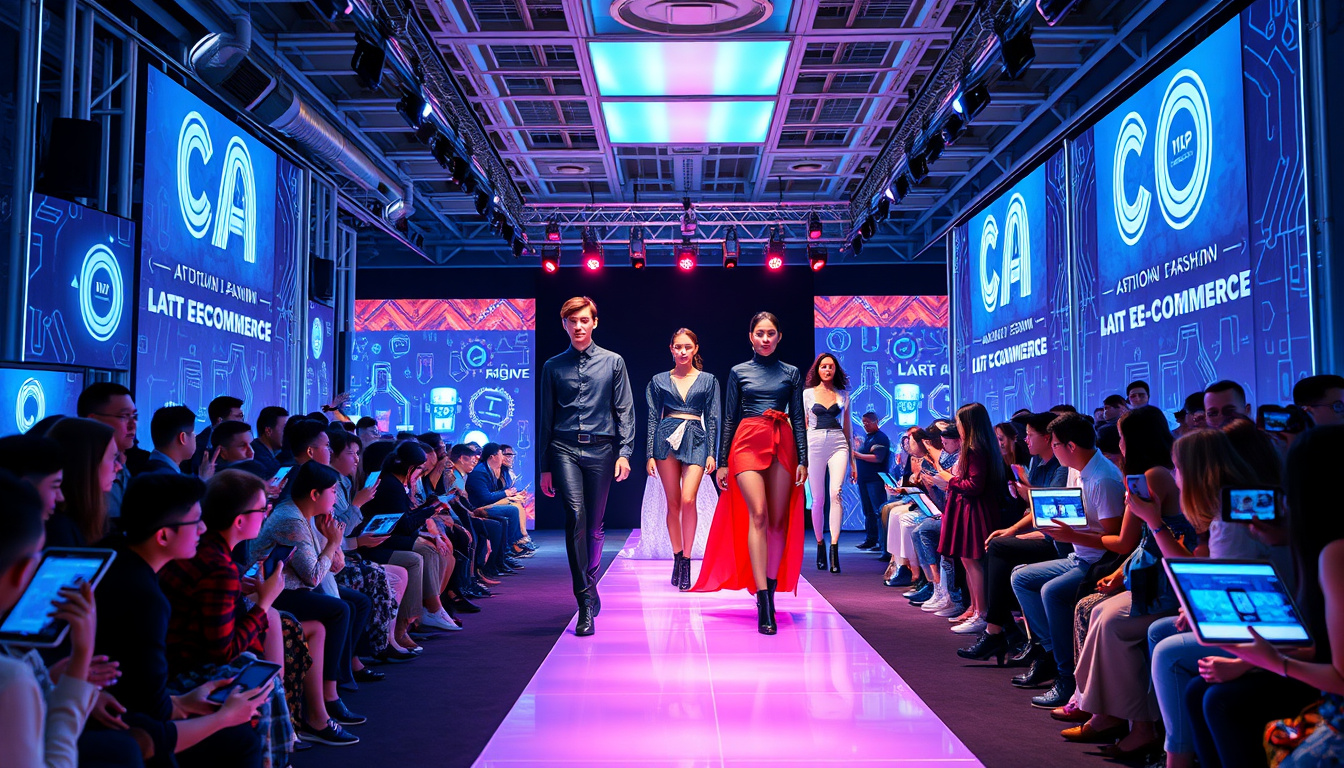
At D-Congress 2025, held at the Svenska Mässan in Gothenburg on March 5-6, leaders met with a clear aim. They saw AI change fashion, culture, and online trade. Experts and industry heads shared ideas on new methods, eco plans, and future customer trends. Sweden stands as a top name in digital trade. Its rich past and art tie closely to smart commerce.

A Global Perspective on E-Commerce Innovation

Per Ljungberg of Swedish Commerce opened the talk. He said, "Sweden is a nation powered by trade." He connected our culture and firm rules to fresh ideas in music, fashion, and tech. D-Congress now leads as the largest event in retail and online selling in the Nordics. Experts and firms present their new ideas. In his talk, the Swedish Prime Minister marked the event’s role in Sweden’s drive for eco plans and smart trade.

AI at the Heart of Retail Transformation

Speakers met on the bond of AI with fashion and online trade. Nicklas Hermansson, an expert in media and AI, said many jobs may in time be done by machines. He warned that many shops must change fast. His words met with interest from people in many fields.

Dr. Achim Berg, who knows much about fashion and high-end goods, spoke next. With help from Alex Kessler at i-D magazine, he said that AI brings fresh ideas. They spoke of hard issues in product returns and eco care. People from many trade groups listened close.

Strategies for E-Commerce Growth

The online trade part of the event spoke of ways to grow sales. Experts like Casper Lie from Global-e discussed local rules and how to improve shopping. One talk from Pandora showed that using AI across methods led to a 21% growth in 2024. ## Sustainable Practices Increasing Profitability

A clear topic was the mix of eco care and profit. Panelists such as Martin Börjesson from J.Lindeberg and Sylvia Wennberg of H&M spoke of smoothing work, cutting product returns, and building eco plans with AI. They agreed that firms must put eco care at their core to win in modern trade.

TikTok’s Role in E-Commerce Innovation

TikTok ran a session on its own AI tools, Smart+ and Symphony. The tools help manage ads and build content. Entrepreneurs Anna Erlandsson and Jacob Friberg told how brands like Stronger and Swappie grew sales and brand view in a crowded scene.

Redefining Retail with AI

Christian Krebs from Pandora spoke of a future where AI makes shopping feel fresh and personal. He said that online sites can copy the feel of a store visit. Pandora now fits a market of great style at fair cost and grows sales. Sebastian Siemiatkowski of Klarna also shared his thoughts. He talked about how money tech in trade shifts fast and how his firm will follow these changes.

Conclusion: Embracing an AI-Driven Future

D-Congress 2025 ended with a clear note. AI can change the future of fashion, art, and trade. Speakers told firms to adopt AI and change fast. As real and online worlds blend more, the talks at the event give a clear guide for those who wish to win in the AI age.

For more on D-Congress and its talks, keep in touch with news from world trade leaders.

Affiliate Disclosure: FashionNewsGF.com is a participant in the Amazon Services LLC Associates Program, an affiliate advertising program designed to provide a means for sites to earn advertising fees by advertising and linking to Amazon.com. As an Amazon Associate we earn from qualifying purchases. Learn more