Revolutionizing Fashion Marketing: The Rise of AI-Generated Campaigns by Sybille de Saint Louvent

Revolutionizing Fashion Marketing: The Rise of AI-Generated Campaigns by Sybille de Saint Louvent

The Rise of AI in Fashion Marketing: Sybille de Saint Louvent’s Revolutionary Approach

Sybille de Saint Louvent is an independent creative director. She makes waves in the fashion world with AI-built marketing campaigns. Her pictures grab attention. One picture for Jil Sander shows a model who lifts her face to a large stone head. The model closes her eyes in a quiet moment. A picture for Prada gives an aerial view of many models in beige and brown. The group builds a patch of textures and shades.

The Future is Artificial

De Saint Louvent stands apart. None of the images, models, or clothes are real. They all come from AI. The brands do not work on these visuals. "I saw the AI tool as a great chance to work," she said. "As a creative, you wait for a client to call. Campaigns cost lots of money, time, and many people."

Her work with AI caught much online attention. It puts her ahead while big brands try new AI methods for marketing. She made a campaign for Gucci next. Gucci planned a show for Fall/Winter 2025 and gave her freedom on a two-sided theme. The campaign starts with a picture of a woman by a mirror. The mirror does not return the woman’s image. It shows a man sitting next to her.

AI’s Growing Influence in Marketing

AI grows stronger as it learns new tasks. A report by McKinsey and The Business of Fashion told us that many executives now try AI for picture content. AI helps build digital models and parts of strategies. AI changes the face of fashion marketing.

De Saint Louvent began with AI a year and a half ago. Three months back, she started posting one campaign each day on social media. She still does normal shoots for brands. She now uses AI to test an idea. This step helps clients see a project before spending a lot of money.

The Human Touch in AI Creativity

AI can produce strong images, but it cannot feel. De Saint Louvent says a human cannot be replaced by AI. "AI cannot show the full emotion of art," she said. Other creators agree. Human insight helps build deep stories in pictures.

When Casablanca used AI for a 2023 campaign, brand head Charaf Tajer said his team did research and planned the story by hand. De Saint Louvent agrees. She says her projects focus on the story, not just the items. She writes clear, short prompts to guide the AI. Her work may include trial and error.

One project for Victoria Beckham shows a coat sitting alone on a soft chair. No person stands near it. The image gives a quiet, dream-like feel. She pays strong attention to her choices. In post-editing, she adjusts the colors to match a soft, neutral look.

A New Era for Brands

Many brands admire de Saint Louvent’s AI work. Companies ask for her help to show their ideas. Some want a mix of normal photography with AI images. This mix shows a clear interest by brands in this form of art.

In this fast-changing field, AI is set to play an even bigger role in fashion marketing. Both brands and creators see its ability to form clear, strong stories in images. As de Saint Louvent widens her view of AI, her art shows a strong passion for creative work in our digital age.

Transforming Fashion Education: FIT Partners with Impact Analytics to Equip Students with AI-Driven Inventory Solutions

Transforming Fashion Education: FIT Partners with Impact Analytics to Equip Students with AI-Driven Inventory Solutions

Impact Analytics Partners with Fashion Institute of Technology to Boost Student Learning with AI Technology

New York, NY – March 3, 2025 – Impact Analytics™, a top provider of planning, merchandising and inventory solutions built with AI, has joined with the Fashion Institute of Technology (FIT) in a new deal. The two share use of Impact Analytics’ smart software, InventorySmart, in the course “Fashion Planning & Allocation.” This plan gives students real practice with tools built on data that matter to fashion.

A New Era of Fashion Education

InventorySmart now sits within FIT’s class schedule. Professor Naomi Gross, who teaches Fashion Business Management at FIT, said, "Using data tools in our classes helps our students learn the skills they need to succeed in today’s fashion. With InventorySmart, our students work with real-world AI tools that shape modern retail. This work gives them an edge when they enter the job market."

Practical Skills for Future Leaders

Students work with InventorySmart to plan demand, adjust stock levels, and see how many factors affect inventory. The tool teaches them to match supply to demand, cut overstock, and boost profit for fashion stores.

Prashant Agrawal, head of Impact Analytics, stressed this deal’s part in shaping fashion training. "We give future fashion leaders clear work with AI tools like InventorySmart to prepare them for a world built on data," he said. "FIT shows its drive to work with new ideas in retail and fashion. We are proud to add to FIT’s growing knowledge base."

About InventorySmart

InventorySmart is a strong software tool by Impact Analytics. It helps stores plan for stock by grouping products, cutting extra inventory, and making smart choices based on many factors. This close method makes it easier for firms to move products and plan stock.

About FIT

The Fashion Institute of Technology is part of the State University of New York. It leads in career-focused art, design, business and tech education. With over 8,000 students, FIT blends hands-on training with theory and a base in liberal arts. The school pushes fresh ideas and teamwork while offering programs that meet the busy, creative world.

Offering almost 50 majors and hosting well-known names like Calvin Klein and Michael Kors, FIT stays a site where new talent takes shape in fashion and beyond.

About Impact Analytics

Impact Analytics creates AI-driven software and consulting to help companies grow profit and keep customers happy using current data trends. The system covers planning, forecasting, merchandising, pricing, and deals to let companies work with today’s figures instead of old ones. Honored by Fortune and Financial Times, Impact Analytics continues to shape how businesses use data in many fields.

For more info, please visit www.impactanalytics.co and fitnyc.edu.

Media Contact:

Maggie Williams Dryden
Vice President, Global Head of Marketing
Email: [email protected]

This deal shows a clear view of education that meets new tech trends in fashion. It aims to get students ready for jobs in a fast-changing world.

Fashion Forward: How AI is Shaping the Future of Creativity and Sustainability in the Industry

Fashion Forward: How AI is Shaping the Future of Creativity and Sustainability in the Industry

Visions of Tomorrow: The Intersection of AI and Fashion

The Visions series shows our future. It looks at many sectors, and fashion is one of them. Experts join to ask clear questions. How do we see tomorrow? What small hints change how we live and work? This series stays with creative minds in fashion. It informs and sparks ideas.

AI’s Growing Role in the Fashion Industry

Fashion teams put AI into work. Firms add AI into both design and numbers. AI sorts data and sets prices. Its art work stays new and small.

Some folks worry machines might replace human art. No tool stands in place of human skills. AI makes work faster and neater. To share these gains, firms need rules for copyright and plans to care for the earth. Big groups, like Zalando and top luxury brands, hold funds to use AI well.

Expert Insights from Paul Mouginot

Paul Mouginot makes art with tech. He co-starts stabler.tech. He knows both machine work and style. He works with the Fashion Council. In 2016, he built an AI tool to compare rivals. Soon, Veepee bought his tool. His work shifts tasks from old heavy data entry to smart machine work.

Mouginot sees tech as a friend to art. He mixes art and machine work. He shows brands new ways to build their style.

Harnessing AI for Creative Uses

Mouginot sees three main tasks for AI in art jobs. First, AI helps sort lists for brands. It picks details to flag in picture work and make machine parts. Second, AI helps set prices and guess demand. It reads how buyers act with more than basic facts. That work shapes product rollouts and stock checks.

Small groups feel the strain of AI cost. They shift to new tech bit by bit. Firms balance their spend against gains from new tools.

New Job Roles in Fashion

AI changes how teams work in fashion. Data experts sit close with art crews. Mouginot pushes for roles that bridge tech and art. One role acts as a translator between numbers and goods. That join builds a clear link and uses AI smartly.

Generative AI: Sparks and Ideas

Today, generative AI starts new ideas in design rooms. It pulls from wide sets of data. Mouginot calls for rich yet fair data to feed the machine. Brands share ideas with care over copyright and true art voice.

Future work aims to fit each firm with models that work for less. The goal is to use small data sets that still show strong hints without high cost.

A Future of Shapes and Sustainability

Tomorrow, AI in fashion may join all cues: images, sounds, and text. New tools may come at low cost and suit firms of any size.

Each firm sets its own pace with AI. From craft to cost, AI can stand as a tool in work. It may push green ways by testing new cloth and tracking goods simply.

Paul Mouginot sees tech mix with art work in fashion. His view lights a clear path ahead, filled with new steps in style.

Revolutionizing Fashion Education: FIT Integrates AI-Powered InventorySmart for Future Retail Leaders

Revolutionizing Fashion Education: FIT Integrates AI-Powered InventorySmart for Future Retail Leaders

Impact Analytics™ Partners with Fashion Institute of Technology to Boost Fashion Education with AI

New York, March 3, 2025 – Impact Analytics, a leader in AI planning and merchandising, teams with Fashion Institute of Technology. The firm adds its tool InventorySmart to the course "Fashion Planning & Allocation." The tool gives students real work with smart tech for stock and plan work in fashion.

Naomi Gross guides the Fashion Business Management class. She says, "We use data tech in class so that students learn with real tools." InventorySmart gives each student real ties with AI tools that shape retail work. This work gives graduates a head start in jobs.

InventorySmart brings AI forecasting to the class. It shows ways to work on demand planning and stock aims. It links over 200 factors to stock moves. When students use the tool, they learn how data aids planning in stores. This work helps shops balance supply with purchase.

Prashant Agrawal, Impact Analytics’s founder and CEO, spoke on this work. He said, "We give students AI tools like InventorySmart to build skills for a data world." He praised FIT for putting AI in the class list. His words point to new ideas in fashion retail.

The InventorySmart tool aids shops with stock plans. It makes prediction and product lists clear. It cuts waste and brings clear choices. The work with FIT shows students work in a real setting that helps future careers.

The Fashion Institute of Technology is part of the State University of New York. FIT has led art, design, business, and tech for years. Over 8,000 students learn with both practice and class work. FIT mixes hands-on work with theory to prepare students for creative jobs.

Impact Analytics works with AI tools and advice. Their system helps shops use real-time facts in planning and sales check. The firm appears in Fortune, Financial Times, and Inc. 5000. Its work in AI and business aids many groups.

For more info on the Fashion Institute of Technology, visit fitnyc.edu. For more on Impact Analytics, visit www.impactanalytics.co.

Media Contact:
Maggie Williams Dryden
Vice President, Global Head of Marketing
[email protected]

Unlocking AI’s Potential: How Fashion Brands Can Master the New De Minimis Rules

Unlocking AI's Potential: How Fashion Brands Can Master the New De Minimis Rules

AI in Fashion: Understanding New De Minimis Rules

Amy Morgan, Vice President of Trade Compliance at Altana, wrote a recent article. She explains how artificial intelligence (AI) may help fashion brands follow new US de minimis rules. The new rules set limits on the value of imported goods that do not face tariffs. AI can give real help by cutting steps and making work run smooth in clothing businesses.

Understanding the De Minimis Rules

The de minimis rules set a cap on import values that can come in duty-free. These rules change how brands move goods from abroad. Fashion makers find these rules key because they affect supply chains and product costs. When trade rules change, brands must learn the new limits to stay strong in a busy market.

How AI Can Help Fashion Brands

Morgan points out that AI brings tools that cut through the hard parts of new trade limits. Some uses of AI in this area are:

Better Compliance Checks

AI looks at trade data in small steps. It spots issues early so brands can fix them before fines or delays stop a shipment.

Simple Supply Chain Management

AI helps brands keep close track of stock and shipments. With many suppliers and products to watch, this quick work helps brands decide on orders and dispatch with care.

Cost Control

Using smart forecasting, AI shows trends in tariff rules. This feed lets brands tweak prices on the fly. In doing so, they keep costs in check and profits secure.

Why Fashion Brands Should Choose AI

The clothing industry must change with new rules and market shifts. AI helps brands keep up with these shifts. It smooths compliance checks, cuts back work steps, and gives a plus in a busy field. Fashion makers who choose AI need the right tools and team training so that every group uses these aids well.

Stay Informed with Just Style

For people in fashion who want to keep up, Just Style has a subscription service. For just £1, readers get full access to expert views, clear study notes, and talks with leaders on what is hot now.

Subscription Benefits

Subscribers get news on many topics—from picking fabrics and tracking shipments to new markets and advances in making clothes. Views from top specialists help brands shape plans to stick to trade limits and grow.

To get this useful news, firms and persons are urged to sign up to get regular updates on the clothing field.


AI now stands to shift how fashion makers handle trade checks. Adding AI may bring a real step forward for brands as they work with rule changes and keep a lead in a fast move market.

Harnessing the Power of AI in Retail: Strategies for Success in a Competitive Landscape

Harnessing the Power of AI in Retail: Strategies for Success in a Competitive Landscape

Generative AI Transitions from Hype to Real-World Retail Implementation

February 25, 2025 – In retail tech, generative AI went from promise to real work. Over the past year, this new AI drew much talk and now shows clear results. Shops face tough times, yet many see real gains.

The Rise of Generative AI in Retail

In 2024, talk turned to generative AI. Retail firms used AI to plan work and serve buyers. Companies put AI in tests to improve how they manage stock and guide ads. The systems work on big sets of data to spot buyer moves and suggest items. This work makes shopping feel more close and clear.

Government Help and a Fierce Market

Leaders saw the change in AI. In January, a top official signed a paper to boost US AI work. The order cut red tape so firms could build and use AI with less hold-up. With fewer limits, shops raced to add AI work. Firms work side by side to stay ahead in a hard market.

Generative AI’s Future in Retail

The market now slows. Shops use AI to change work while they face hard times. Early wins show AI is more than a short word. Experts say shops must watch AI work over long periods. They set clear marks to check how AI meets changing buyer habits.

More facts will come as shops show real impact. Readers can join free feeds and news from top sites to keep pace with change.

Conclusion

Generative AI moved fast from trend to use in shops. Stores now plan with clear signs and safe steps. The next months will show how well AI fills needs in retail and shapes shop work.

Revolutionizing Fashion Retail: Unlocking the Power of AI for Enhanced Efficiency and Customer Engagement

Revolutionizing Fashion Retail: Unlocking the Power of AI for Enhanced Efficiency and Customer Engagement

AI-Driven Innovation for Fashion Retailers: Optimizing Operations and Improving Customer Experience

In fashion retail, AI drives change. Reply, a top tech firm, leads this shift. Reply helps stores run smoother. They supply AI tools that improve demand forecasts, logistics, inventory, and buying choices. This work helps stores reach steady sales in tough markets.

A Wide Range of Applications

Over the past two years, AI has grown in use. Stores now use AI tools that make service more personal and fast. AI agents book appointments, track orders, manage returns, and answer questions. They also read customer mood and note common issues. The tools suggest small fixes that smooth daily work.

Reply uses these tasks with fashion stores. Their projects show how data guides choices and streamlines back-end work to cut waste and boost wins.

Cross-Department Forecasting and Planning

One key use of AI is to predict demand and run supply chains. AI takes data from buying, sales, and storage. It then points to near-future trends. This helps stores set stock levels right. Fewer extra items and fewer gaps save money and keep work smooth.

Stores now move from old systems that need much manual work and cause errors. AI helps pick which items sell best in each market. This lowers waste and lifts profits. New models check season trends and outside risks to add weight to sound plans.

Moving Beyond Fixed Reports

Many stores still work with fixed reports and simple business tools. These tools miss new trends and deep views. Reply now uses AI to offer real-time reports with clear facts. With AI dashboards, managers ask a question in plain language and get a visual reply. This style finds hidden trends and links.

Scaling Global Messaging with Generative AI

Generative AI changes how stores share ideas. AI tools help brands build quality content that fits the brand image over many regions. One use is clear content translation. Smart language models help stores keep tone in many tongues. AI also helps make posts and ads. This way, stores work less with outside firms and shape words for each group of buyers.

Optimizing Marketing Spending with AI

AI helps stores get the best out of marketing money. With smart AI reports, stores plan where money works best. Reply works with brands so budgets hit the right media and buyers. Data from AI lets stores adjust campaigns as needed. This helps both digital and offline ads work better with time.

Using AI Fully in Fashion Retail

AI in retail gives great gains in work and service. With scaling AI and smart agents, stores smooth efforts and win more easily against others. As new AI tools come out, their reach grows wide. AI can touch every side of retail work. Reply experts help stores grab new ways to work, choose better, and lift staff roles.

Retail Reply helps clients in stores and online. They work in IT design, point-of-sale systems, loyalty programs, and mobile experiences. They stick with brands through change—from early plans to live work.

AI continues to drive work and new ideas in fashion retail.

Samsung’s new AI-powered watch and ring bring cutting-edge technology to wearable fashion

A sleek and futuristic smartwatch and ring with glowing blue AI circuitry, worn by a fashion model on a runway.

Samsung Pushes Boundaries: AI-Powered Watch and Ring Redefine Wearable Tech

A New Era of Smart Companions

Samsung has once again demonstrated its commitment to innovation with the unveiling of its latest creations: an AI-powered watch and ring. These cutting-edge wearables seamlessly blend advanced technology with sophisticated design, promising a new era of connected living. Gone are the days of simple notifications and fitness tracking; these devices are poised to become indispensable companions, offering personalized experiences driven by the power of artificial intelligence.

The AI Watch: Your Wrist-Worn Command Center

Imagine a watch that not only tells time but also anticipates your needs. Samsung’s new AI watch does just that. Equipped with a state-of-the-art processor and advanced machine learning algorithms, it learns your habits, preferences, and even your health patterns. This allows it to provide tailored insights and proactive assistance throughout your day.

Key Features of the AI Watch:

1. Proactive Health Monitoring:

The watch goes beyond basic heart rate tracking. Its suite of sensors monitors blood pressure, sleep patterns, and even blood glucose levels (in select markets). But here’s where the AI shines – it analyzes this data in real time, detecting anomalies and providing personalized recommendations. Whether it’s suggesting a meditation session to manage stress or alerting you to potential health concerns, the watch acts as your dedicated health guardian.

2. Personalized Fitness Guidance:

Forget generic workout routines. The AI watch crafts personalized fitness plans based on your goals, fitness level, and even the weather conditions. It tracks your progress meticulously, offering encouragement and adjusting the plan as needed. With virtual coaching sessions and real-time feedback, the watch transforms your fitness journey into an engaging and rewarding experience.

3. Seamless Communication and Connectivity:

Stay connected effortlessly with the watch’s advanced communication features. Make and receive calls, respond to messages, and even control your smart home devices – all from your wrist. The AI’s natural language processing capabilities enable seamless voice interactions, making every task intuitive and convenient.

4. Augmented Reality Experiences:

Experience the world around you like never before with the watch’s augmented reality capabilities. Get turn-by-turn navigation directions overlaid on your actual view, find nearby points of interest, and even interact with virtual objects in your environment. This fusion of the digital and physical realms opens up exciting possibilities for exploration and entertainment.

The AI Ring: Discreet Power at Your Fingertips

While the AI watch takes center stage, the accompanying smart ring is no mere accessory. This discreet yet powerful device complements the watch’s capabilities, extending the reach of AI to your fingertips – literally.

Key Features of the AI Ring:

1. Enhanced Security and Authentication:

The ring acts as a second layer of security for your digital life. It uses your unique biometric data to unlock your devices, authenticate payments, and even grant access to secure locations. With the ring on your finger, you become the key, adding an unprecedented level of security and convenience.

2. Intuitive Gesture Control:

Control your connected devices with a flick of the wrist. The ring’s built-in sensors detect even the subtlest of gestures, allowing you to navigate apps, answer calls, or even control music playback with ease. This intuitive control mechanism blends seamlessly into your natural movements, making technology interactions effortless.

3. Health and Wellness Tracking on the Go:

The ring doesn’t compromise on health monitoring. It tracks your activity levels, sleep patterns, and even your stress levels throughout the day. This data seamlessly syncs with the AI watch, providing a comprehensive view of your well-being and allowing for even more personalized insights and recommendations.

A Fashion-Forward Approach to Wearable Tech

Beyond their technological prowess, both the watch and ring exude elegance and style. Crafted with premium materials and available in a range of finishes, they seamlessly complement any wardrobe, transitioning effortlessly from day to night. Samsung understands that wearables are not just gadgets; they are fashion statements. These devices are designed to be worn with pride, showcasing your appreciation for both style and innovation.

A Glimpse into the Future of Wearable Technology

Samsung’s AI-powered watch and ring represent a significant leap forward in the evolution of wearable technology. By harnessing the power of artificial intelligence, these devices transcend their traditional roles, evolving into true intelligent companions. They empower users with personalized insights, proactive assistance, and a level of connectivity never seen before. As these wearables continue to learn and adapt, the line between technology and intuition will blur, ushering in a new era where our devices anticipate our needs and enhance our lives in ways we are only beginning to imagine.

Lasizwe Rocks Sustainable, AI-Designed Outfit by Volvo SA

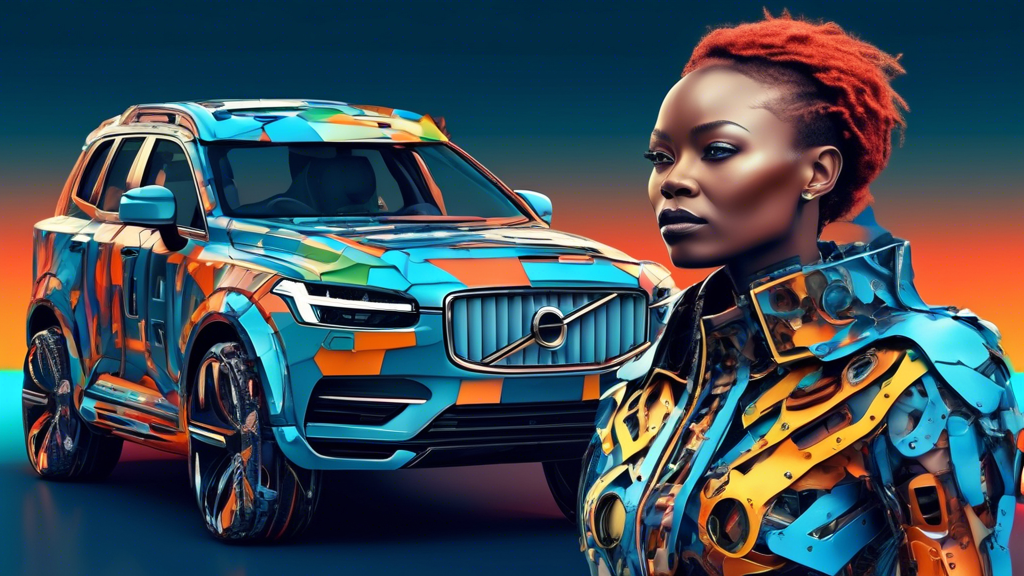
A South African celebrity wearing a futuristic outfit made from recycled car parts, designed by artificial intelligence, with the Volvo logo in the background.

Lasizwe Dambuza Makes a Statement in Sustainable, AI-Designed Outfit by Volvo SA

Local comedian and influencer partners with Volvo SA to showcase the future of sustainable fashion.

South African comedian and influencer, Lasizwe Dambuza, recently stepped out in a show-stopping outfit designed using artificial intelligence, marking a unique collaboration with Volvo SA to highlight the fusion of technology, sustainability, and style. The bespoke ensemble, crafted from innovative and eco-friendly materials, reflects Volvo’s commitment to a greener future, extending even to the realm of fashion.

A Symbiotic Collaboration: Volvo’s Vision Meets Lasizwe’s Influence

Known for his vibrant personality and trendsetting style, Lasizwe served as the perfect muse for this innovative project. His influence within the South African entertainment industry provided a powerful platform to showcase Volvo’s dedication to sustainable practices.

The collaboration underscores Volvo’s forward-thinking approach not only within the automotive industry but also in its commitment to broader sustainability initiatives. By partnering with a prominent figure like Lasizwe, Volvo effectively communicates its message to a wider audience, particularly millennials and Gen Z, who are increasingly conscious of environmental responsibility and ethical consumption.

Decoding the Design: AI and Sustainable Materials Take Center Stage

The design process itself was a testament to innovation. Volvo used artificial intelligence to analyze current fashion trends, sustainable materials, and Lasizwe’s personal style. This data-driven approach resulted in a design that was both unique and reflective of Volvo’s core values.

The outfit incorporated an array of sustainable materials, chosen for their minimal environmental impact. These may have included:

  • **Recycled Fabrics:** Utilizing fabrics made from recycled plastic bottles or ocean waste.
  • **Organic Cotton:** Opting for cotton grown without harmful pesticides or fertilizers.
  • **Pinatex:** A natural leather alternative made from pineapple leaf fibers.
  • **Econyl:** A regenerated nylon fiber crafted from discarded fishing nets and other nylon waste.

By choosing these sustainable alternatives, the collaboration highlighted the potential of fashion to embrace eco-conscious practices without compromising on style or quality.

Making a Statement: Beyond the Outfit

Lasizwe’s appearance in the AI-designed outfit was more than just a fashion statement. It ignited conversations about the future of sustainable fashion and the role that technology can play in creating a more environmentally responsible industry.

The collaboration also touched upon:

  • **Ethical Production:** Promoting transparency and fair labor practices within the fashion supply chain.
  • **Circular Fashion:** Embracing concepts of recycling, upcycling, and reducing textile waste.
  • **Consumer Awareness:** Encouraging consumers to make conscious choices and support brands that prioritize sustainability.

A Glimpse into the Future of Fashion

The collaboration between Lasizwe and Volvo SA serves as an inspiration for the fashion industry, demonstrating how sustainable practices and technological innovation can go hand-in-hand.

This initiative is likely to have a ripple effect, encouraging other brands and influencers to consider the environmental impact of their choices and to explore innovative ways to promote a more sustainable future for fashion.

Lasizwe’s Influence: Amplifying the Message

Lasizwe’s decision to partner with Volvo SA on this initiative speaks volumes about his commitment to using his platform for positive change. By aligning himself with a brand known for its sustainability efforts, he sets an example for his followers and encourages them to consider the impact of their own consumer choices.

This high-profile collaboration serves as a reminder that sustainability is no longer a niche concern but a collective responsibility. Through innovative partnerships and forward-thinking initiatives, industries can evolve to prioritize the well-being of our planet while still captivating audiences and pushing creative boundaries.

AI-Generated Fashion Icon: A Revolution in Virtual Beauty

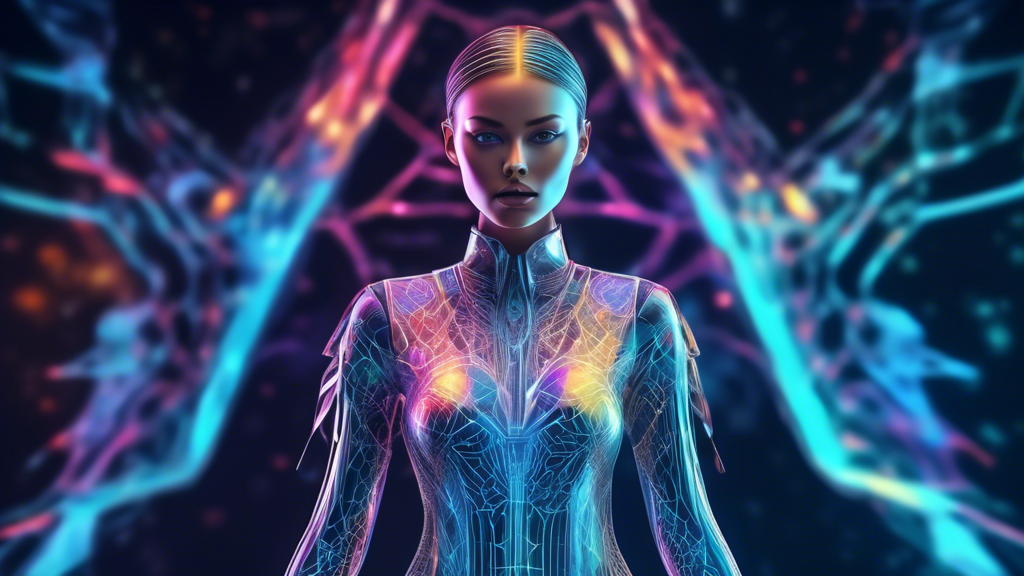
A futuristic AI interface generating a holographic female fashion model with intricate clothing designs and glowing lines.

AI-Generated Fashion Icon: A Revolution in Virtual Beauty

Introduction

The fashion world, renowned for its constant evolution and embrace of innovation, stands at the cusp of a revolution: AI-generated fashion icons. These virtual entities, born from complex algorithms and fueled by massive datasets, are poised to redefine the very notion of beauty and influence in the digital age. Imagine a world where flawlessly dressed, digitally rendered models grace magazine covers, strut down virtual runways, and inspire trends across social media platforms – all without existing in the physical realm.

This burgeoning phenomenon, however, is more than just a technological marvel. It represents a fundamental shift in how we perceive and interact with fashion, challenging traditional beauty standards, democratizing creativity, and blurring the lines between reality and the digital realm. This article delves into the fascinating world of AI-generated fashion icons, exploring their creation, impact, and the exciting possibilities they hold for the future of beauty and style.

The Making of a Digital Muse: Behind the Scenes of AI Fashion Icon Creation

The creation of an AI fashion icon is a complex yet fascinating process, a symphony of technology and artistry. It begins with Generative Adversarial Networks (GANs), a class of artificial intelligence algorithms adept at generating new data instances that resemble the training data. In the context of fashion, GANs are fed with an immense amount of data, encompassing images of models, clothing styles, fashion trends, and even facial features considered aesthetically pleasing.

This data acts as the raw material for the AI, allowing it to learn and understand the nuances of human beauty, fashion aesthetics, and the subtle elements that make an image visually appealing. Through a process of trial and error, the GAN generates countless images, constantly refining its output as it learns from feedback and improves its ability to generate realistic and captivating virtual beings.

But the process is far from automated. Human intervention plays a crucial role in shaping the final product. Skilled artists and designers work in tandem with the AI, guiding its creative output, fine-tuning details, and injecting a touch of human sensibility into the digital creation. This collaborative process ensures that the AI-generated icon aligns with specific aesthetic goals and embodies the desired personality and style.

A New Era of Representation: Challenging Beauty Norms and Promoting Inclusivity

One of the most profound implications of AI-generated fashion icons lies in their potential to redefine beauty standards and foster a more inclusive and diverse representation of beauty in the fashion world.

Traditionally, the fashion industry has been criticized for perpetuating narrow and often unattainable beauty standards. However, AI has the power to disrupt this status quo. By training algorithms on diverse datasets that encompass a wide range of ethnicities, body types, and gender expressions, developers can create AI-generated icons that reflect the true diversity of beauty in the real world.

This newfound ability to transcend the limitations of physical appearance opens up exciting possibilities for inclusivity and representation. Imagine AI-generated fashion icons with vitiligo, alopecia, or Down syndrome, showcasing the beauty of human variation and challenging the fashion industry’s historical lack of diversity.

Beyond the Surface: The Impact of AI on Fashion Design and Marketing

The influence of AI-generated fashion icons extends far beyond the realm of virtual modeling. They are poised to reshape various aspects of the fashion industry, from design and marketing to consumer behavior and trend forecasting.

For designers, these digital muses offer an unprecedented tool for creative exploration. They can experiment with different styles, patterns, and silhouettes on virtual models, eliminating the need for costly photoshoots and prototypes. This allows for greater flexibility, faster iteration cycles, and the ability to push the boundaries of fashion innovation.

In marketing and advertising, AI-generated icons offer brands a unique opportunity to connect with consumers in the digital age. These virtual influencers can be tailored to specific demographics and target audiences, ensuring that marketing campaigns resonate with their intended viewers. Imagine personalized advertising where an AI-generated icon, styled according to the consumer’s preferences, showcases the latest fashion trends.

Navigating the Ethical Landscape: Concerns and Considerations

As with any transformative technology, the rise of AI-generated fashion icons is not without its ethical considerations. One primary concern is the potential for job displacement. As virtual models become increasingly realistic and affordable, they could replace human models in certain areas, leading to job losses in the modeling industry.

Another concern revolves around the issue of representation. While AI has the potential to promote diversity, it’s crucial to ensure that these digital creations are developed and deployed responsibly. If not carefully curated, AI-generated icons could perpetuate existing biases or even create new forms of discrimination, further marginalizing underrepresented communities.

Transparency is also paramount. As AI-generated icons become more prevalent, it’s crucial for brands and creators to be upfront about their use of this technology. Consumers should be aware when they are interacting with a virtual entity as opposed to a human model. Open communication and clear ethical guidelines are essential to navigate these complexities and ensure that AI is used responsibly in the fashion world.

The Future of Fashion: A Fusion of Technology and Style

The emergence of AI-generated fashion icons marks a significant milestone in the ongoing convergence of technology and fashion. As AI continues to evolve, we can expect even more sophisticated and realistic virtual creations, further blurring the lines between the physical and digital realms. This fusion of technology and style will undoubtedly lead to new forms of creative expression, redefine how we perceive beauty, and reshape the fashion landscape in ways we can only begin to imagine.

From virtual fashion shows experienced through augmented reality to personalized AI stylists offering bespoke fashion advice, the possibilities are truly limitless. The key lies in harnessing the power of AI responsibly, ensuring that it promotes inclusivity, celebrates diversity, and serves as a tool for positive change in the ever-evolving world of fashion.

Affiliate Disclosure: FashionNewsGF.com is a participant in the Amazon Services LLC Associates Program, an affiliate advertising program designed to provide a means for sites to earn advertising fees by advertising and linking to Amazon.com. As an Amazon Associate we earn from qualifying purchases. Learn more