Samsung’s new watch and ring blend cutting-edge technology and AI for a fashionable wearable experience

A futuristic smartwatch and smart ring seamlessly merging with a fashion model's hand, glowing with intricate AI circuitry underneath a sleek, stylish exterior.

Samsung’s New Wearables: Where Fashion Meets Function

Samsung has always been at the forefront of innovation, and their latest foray into the world of wearable technology is no exception. The tech giant recently unveiled its newest smartwatch and smart ring, a powerful duo that seamlessly blends cutting-edge technology with sophisticated design. These aren’t just gadgets; they’re fashion-forward statements that elevate your style while providing unparalleled insights into your health and well-being.

A New Era of Smartwatches: More Than Just a Pretty Face

The new Samsung smartwatch is a marvel of engineering, boasting a sleek and modern aesthetic that complements any outfit. But don’t let its good looks fool you – under the hood lies a powerhouse of features designed to enhance your daily life. Here’s what makes this smartwatch stand out:

Advanced Health Monitoring at Your Fingertips

Taking health and fitness tracking to the next level, the latest smartwatch incorporates state-of-the-art sensors for comprehensive health monitoring. It goes beyond basic heart rate tracking to provide:

  • ECG and Blood Pressure Monitoring: Keep a closer eye on your cardiovascular health with on-demand electrocardiogram readings and blood pressure tracking.
  • Blood Oxygen (SpO2) Monitoring: Track your blood oxygen levels during sleep and throughout the day, providing valuable insights into your overall health and fitness.
  • Sleep Analysis: Get a clearer picture of your sleep patterns with detailed analysis of sleep stages, duration, and quality. The smartwatch even provides personalized sleep coaching to help you improve your sleep hygiene.
  • Stress Tracking: Monitor your stress levels throughout the day and utilize the built-in mindfulness exercises to find moments of calm and relaxation.

Seamless Connectivity and Productivity

Stay effortlessly connected with the smartwatch’s comprehensive suite of communication and productivity features:

  • Bluetooth Calling: Make and receive calls directly from your wrist, even when your phone is out of reach.
  • Smart Notifications: Receive notifications from your favorite apps, texts, and calls with customizable alerts and vibration patterns.
  • Voice Assistant Integration: Control your smartwatch and other smart devices with ease using your preferred voice assistant.
  • Mobile Payments: Make contactless payments securely and conveniently with the integrated mobile payment system.

The Smart Ring: A Subtle Yet Powerful Companion

The new smart ring is the epitome of discreet yet impactful technology. Designed to be worn comfortably alongside your favorite jewelry, it acts as a constant companion to your smartwatch, providing an extra layer of personalization and functionality.

Intuitive Control at Your Fingertips

The smart ring takes interaction to a whole new level, allowing you to control your smartwatch and other connected devices with subtle gestures:

  • Navigation Control: Scroll through menus, adjust volume, and even answer calls with intuitive touch controls on the ring’s surface.
  • App Shortcuts: Customize gestures to launch your favorite apps or perform specific actions on your smartphone with a simple tap or swipe.

Enhanced Health and Fitness Tracking

While discreet, the smart ring doesn’t skimp on health-tracking features. Working in tandem with the smartwatch, it provides even more insights into your well-being:

  • Continuous Heart Rate Monitoring: Enjoy continuous, accurate heart rate tracking throughout the day and night, even during intense workouts.
  • Sleep Stage Tracking: Get a more comprehensive understanding of your sleep cycles by wearing the ring to bed. Its lightweight design ensures comfort throughout the night.
  • Activity Recognition: The smart ring automatically detects and tracks various activities, providing you with a complete picture of your daily movement and exercise routines.

The Power of AI: Personalization and Insights Like Never Before

At the heart of these new wearables lies the power of artificial intelligence. It’s not just about collecting data; it’s about turning that data into actionable insights that can help you live a healthier, more balanced life.

  • Personalized Health Recommendations: Receive tailored advice and recommendations based on your health data, activity levels, and sleep patterns.
  • Fitness Guidance: Reach your fitness goals with AI-powered workout suggestions, progress tracking, and personalized coaching.
  • Stress Management: The AI engine learns your stress triggers and provides timely reminders to take breaks, practice mindfulness, or engage in activities that promote relaxation.

A Fashionable Statement for Every Style

Samsung understands that wearables are an extension of your personal style. That’s why the new smartwatch and smart ring are designed to be as fashionable as they are functional.

  • Interchangeable Bands and Finishes: Customize your smartwatch’s look with a wide range of stylish bands, from classic leather to sporty silicone. The smartwatch itself comes in various finishes to match your taste.
  • Discreet Elegance: The smart ring’s sleek and minimalist design ensures it complements any outfit or jewelry style, effortlessly blending into your personal aesthetic.

The Future of Wearables is Here

With their powerful blend of cutting-edge technology, AI-driven insights, and stylish design, Samsung’s new smartwatch and smart ring are poised to redefine the wearable experience. They’re not just gadgets; they’re intelligent companions that empower you to live a healthier, more connected life without compromising on style.


A Look Inside LVMH’s AI Factory

A futuristic factory interior, bathed in warm light, with robotic arms assembling luxury handbags and AI algorithms displayed on transparent screens.

Unveiling the Enigma: A Look Inside LVMH’s AI Factory

In the heart of Paris, where fashion intersects with technology, lies a hidden gem – LVMH’s AI Factory. This enigmatic hub, shrouded in secrecy and fueled by innovation, is where the luxury conglomerate is crafting the future of its empire. No longer confined to the ateliers of haute couture, LVMH is harnessing the power of artificial intelligence to enhance every aspect of its operations, from product design to customer experience.

The Genesis of an AI Powerhouse

LVMH’s foray into the realm of artificial intelligence wasn’t a whimsical pursuit of the latest technological fad. It was a strategic imperative. Recognizing the transformative potential of AI, LVMH CEO Bernard Arnault envisioned a future where data-driven insights would empower the conglomerate to anticipate and exceed the desires of its discerning clientele.

Established in 2018, the AI Factory serves as the epicenter of LVMH’s digital transformation. This internal startup, operating with the agility and innovation of a Silicon Valley tech company, is tasked with developing and deploying AI solutions across LVMH’s 75 iconic brands, including Louis Vuitton, Dior, and Tiffany & Co.

A Glimpse into the AI Arsenal

The AI Factory’s arsenal is as diverse as the brands it serves. Here’s a glimpse into some of the key areas where AI is making its mark:

1. Hyper-Personalized Customer Experiences

Imagine walking into a Louis Vuitton store and being greeted by your name, your past purchases displayed elegantly on a screen, and a personalized selection of items curated just for you. This is the power of AI-driven customer relationship management (CRM).

LVMH leverages AI to analyze vast amounts of customer data, including purchase history, online behavior, and even social media interactions, to create detailed customer profiles. These profiles enable LVMH to deliver highly personalized experiences across all touchpoints, from personalized product recommendations to tailored marketing campaigns.

2. Forecasting Fashion’s Future

In the ever-evolving world of fashion, staying ahead of the trends is paramount. LVMH is using AI to predict future trends by analyzing social media conversations, runway images, and even street style photos. This allows LVMH’s designers to anticipate what consumers will want next season, ensuring they stay at the forefront of fashion innovation.

AI-powered trend forecasting not only informs design decisions but also optimizes inventory management. By accurately predicting demand, LVMH can minimize overstocking and reduce waste, contributing to a more sustainable and efficient fashion ecosystem.

3. Enhancing Operational Efficiency

Behind the scenes, AI is silently streamlining LVMH’s operations. From optimizing logistics and supply chains to automating tasks like fraud detection and customer service, AI is freeing up human resources to focus on higher-value activities.

For instance, AI-powered chatbots provide instant customer support, answering frequently asked questions and resolving simple issues without human intervention. This not only improves customer satisfaction but also allows customer service representatives to focus on more complex inquiries.

Cultivating a Culture of Innovation

The success of LVMH’s AI Factory hinges on its ability to foster a culture of innovation. LVMH understands that AI is not just about technology; it’s about people. To that end, the company has assembled a team of data scientists, engineers, and AI experts from around the world, creating a melting pot of creativity and technical expertise.

LVMH also actively collaborates with startups and research institutions to stay at the cutting edge of AI development. This open innovation approach allows LVMH to tap into the latest advancements in the field and bring them to the world of luxury.

The Ethical Imperative

As LVMH ventures deeper into the realm of AI, the company recognizes the importance of ethical considerations. LVMH has implemented strict guidelines to ensure that its AI initiatives are developed and deployed responsibly.

Key areas of focus include data privacy, algorithmic bias, and transparency. LVMH is committed to using AI in a way that benefits both the company and its customers, without compromising on its values.

The Future of Luxury, Shaped by AI

LVMH’s AI Factory is more than just a technological marvel; it’s a testament to the company’s unwavering commitment to innovation and its vision for the future of luxury. By seamlessly blending the artistry of its brands with the power of AI, LVMH is creating a new era of luxury experiences – personalized, exclusive, and unforgettable.

As AI continues to evolve, one thing is certain: LVMH’s AI Factory will be at the forefront, shaping the future of luxury, one algorithm at a time.

Carve Designs Uses AI Quiz to Take the Guesswork Out of Swimsuit Shopping

A confused woman surrounded by piles of swimsuits uses an AI app on her phone that recommends a perfect fitting swimsuit with a glowing light.

Carve Designs Takes the Guesswork Out of Swimsuit Shopping with Innovative AI Quiz

Shopping for swimwear can often feel like navigating a labyrinth of styles, sizes, and fits. The struggle to find the perfect suit that flatters your body type, aligns with your lifestyle, and makes you feel confident can be daunting. Recognizing this universal pain point, Carve Designs, a renowned brand celebrated for its commitment to fit, functionality, and female empowerment, has harnessed the power of technology to revolutionize the swimsuit shopping experience. Their solution? An innovative AI-powered quiz designed to guide women to their ideal swimwear.

Decoding the Science Behind the Style: How the AI Quiz Works

Carve Designs’ AI quiz isn’t just another online style survey; it’s a sophisticated algorithm-driven tool engineered to understand your unique needs and preferences. Here’s how it works:

  1. Personalized Questions: The quiz begins by asking you a series of tailored questions. These go beyond basic inquiries about your size and style preferences, delving into your body type, activity level, and desired level of coverage.
  2. Intelligent Analysis: As you answer, the AI diligently gathers and analyzes your responses. It identifies patterns in your choices, recognizing the features you prioritize and the styles you gravitate towards.
  3. Curated Recommendations: Based on its analysis, the AI then curates a selection of swimwear specifically tailored to your unique profile. It considers everything from the cut and coverage of the suits to the patterns and colors that complement your style.

This personalized approach eliminates the overwhelming scroll through endless options, replacing it with a curated selection that aligns perfectly with your needs and preferences.

Beyond the Algorithm: The Benefits of AI-Powered Swimsuit Shopping

The introduction of this AI-driven quiz signifies a paradigm shift in online swimsuit shopping. Here are some of the key benefits it offers:

  1. Personalized Fit and Style: Say goodbye to the days of second-guessing your choices. The AI’s ability to understand your body type and style preferences ensures a higher probability of finding swimwear that fits impeccably and makes you feel confident.
  2. Time Efficiency: No more endless scrolling and sifting through countless options. The AI streamlines the shopping process, saving you valuable time and effort by presenting you with a curated selection right from the start.
  3. Reduced Decision Fatigue: The overwhelming number of choices online can often lead to decision fatigue. The AI quiz alleviates this by narrowing down the options and guiding you towards suits that align with your criteria.
  4. Discover New Possibilities: While the AI considers your preferences, it can also introduce you to styles or cuts you may not have considered before, expanding your swimwear horizons.

More Than Just Swimsuits: Carve Designs’ Commitment to Women

Carve Designs’ decision to implement this AI-powered quiz goes beyond a mere technological advancement; it reflects their deep-rooted commitment to empowering women. The brand understands that finding the right swimsuit is about more than just covering up; it’s about feeling confident, comfortable, and ready to take on the world.

By simplifying the shopping process and promoting body positivity through well-fitting, functional swimwear, Carve Designs empowers women to embrace their bodies and enjoy their water activities to the fullest. The AI quiz is a testament to their dedication to making the swimsuit shopping experience enjoyable, inclusive, and empowering for all women.

Embracing the Future of Swimwear Shopping

Carve Designs’ AI-powered quiz marks a significant leap forward in the world of online retail. It represents a future where technology and fashion intersect to create personalized, enjoyable, and empowering shopping experiences. As more brands embrace the potential of AI, consumers can look forward to a future where finding the perfect outfit, whether it’s a swimsuit or any other garment, is no longer a daunting task but a seamless and enjoyable journey.

Beyond the Quiz: Carve Designs’ Commitment to Sustainability and Ethical Practices

While the AI quiz is a testament to Carve Designs’ innovative spirit, their dedication to a holistic approach to fashion sets them apart. The brand recognizes that true style extends beyond aesthetics, encompassing responsible practices that benefit both people and the planet.

Sustainability at the Core

Carve Designs’ commitment to sustainability is woven into the fabric of their brand. They prioritize the use of eco-friendly materials and manufacturing processes, minimizing their environmental impact without compromising on quality or style. Here are some of their key sustainable practices:

  1. Recycled Materials: Carve Designs utilizes recycled fabrics in a significant portion of their swimwear collections. These fabrics are made from recycled plastic bottles, fishing nets, and other discarded materials, reducing waste and giving new life to discarded resources.
  2. Regenerative Fibers: The brand is increasingly incorporating regenerative fibers like Tencel® into their collections. These fibers are derived from sustainably sourced wood pulp, primarily eucalyptus, using an environmentally friendly closed-loop process that minimizes waste and water usage.
  3. Durable Designs: Carve Designs believes in creating swimwear that lasts. Their designs are known for their exceptional quality and durability, reducing the need for frequent replacements and minimizing textile waste.

Ethical Manufacturing Practices

Carve Designs believes in ethical manufacturing practices that prioritize fair labor standards and safe working conditions. They partner with factories that share their commitment to ethical treatment of workers, ensuring fair wages, reasonable working hours, and safe and healthy work environments. This commitment to ethical sourcing aligns with their values and contributes to a more equitable and sustainable fashion industry.

Carve Designs: Where Style Meets Substance

Carve Designs’ journey is an inspiring testament to the power of combining innovative technology, sustainable practices, and a deep-rooted commitment to empowering women. Their AI-powered quiz revolutionizes the swimsuit shopping experience, offering a personalized and efficient approach to finding the perfect fit. Simultaneously, their dedication to using eco-friendly materials, ethical manufacturing, and durable designs demonstrates their commitment to a more responsible and sustainable fashion industry.

By seamlessly merging style and substance, Carve Designs inspires a new wave of conscious consumers who seek out brands that align with their values. As the brand continues to innovate and evolve, they pave the way for a future where fashion is not just about looking good but also about feeling good about the choices we make and the impact we have on the world around us.

Generative AI Transforms Fashion

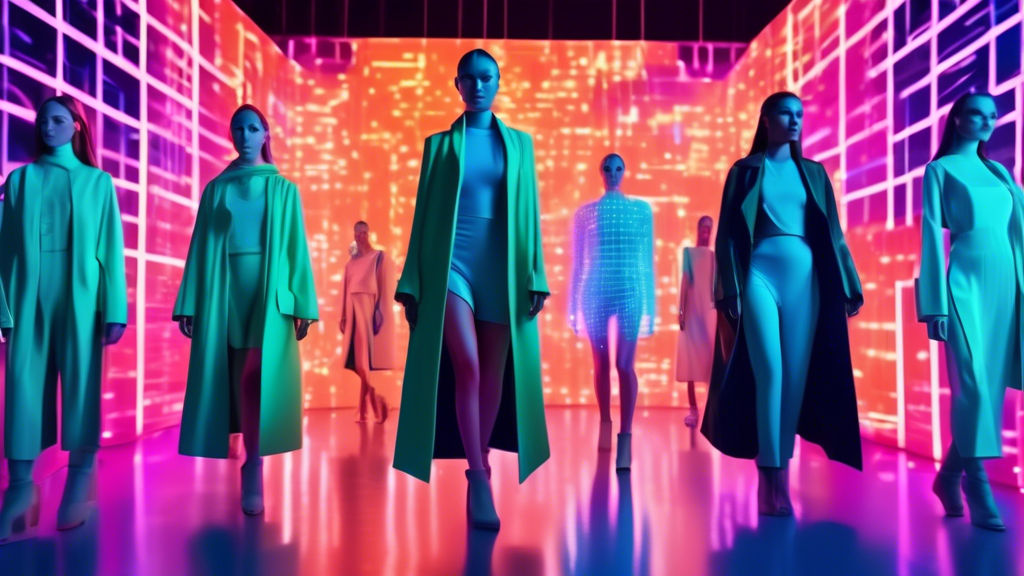
A futuristic fashion show where models wear garments created by artificial intelligence, with glowing lines and digital patterns projected onto their flowing silhouettes.

Generative AI: A Fashion Revolution in the Making

The fashion industry, known for its constant evolution and embrace of innovation, stands on the brink of a technological revolution powered by generative artificial intelligence (AI). This transformative technology, capable of creating novel designs, streamlining workflows, and personalizing the customer experience, is poised to redefine the very fabric of the fashion landscape.

Unleashing Creativity: A New Era of Design

Generative AI, powered by sophisticated algorithms, possesses the remarkable ability to learn from vast datasets of fashion imagery, patterns, and trends. This deep learning enables AI to become a creative partner for designers, generating a myriad of design possibilities that would be impossible to conceive manually. Imagine feeding an AI system a mood board of textures, colors, and silhouettes, and in return, it offers a collection of unique garment designs, each a testament to the fusion of human inspiration and artificial intelligence.

This collaboration between human ingenuity and AI’s computational prowess has the potential to break down creative barriers, pushing the boundaries of fashion design. Designers can leverage AI-generated designs as a springboard for their imagination, refining and adapting these digital creations into tangible pieces that embody both artistic vision and technological innovation.

Beyond the Drawing Board: Streamlining the Fashion Pipeline

The impact of generative AI extends far beyond the design studio, permeating every stage of the fashion pipeline, from concept to consumer. In the realm of manufacturing, AI-powered systems can analyze designs and optimize patterns for efficient fabric utilization, minimizing waste and promoting sustainable practices. Imagine AI algorithms meticulously calculating the precise placement of pattern pieces to reduce fabric scraps or even generating entirely new, zero-waste patterns.

Moreover, AI can be instrumental in predicting upcoming trends by analyzing social media feeds, fashion shows, and consumer purchasing behavior. This predictive capability empowers brands to make data-driven decisions, ensuring their collections resonate with evolving consumer preferences.

A Tailored Experience: Personalization at Scale

In an era of mass production, consumers increasingly crave personalized experiences that cater to their individual style and preferences. Generative AI has the potential to usher in a new era of hyper-personalization within the fashion industry. Imagine a world where online shoppers can interact with AI-powered styling assistants that not only recommend clothing based on past purchases but also generate personalized outfit suggestions, considering factors such as body type, skin tone, and current fashion trends. This level of customization could revolutionize online shopping, making it a truly tailored and engaging experience.

The applications of generative AI in personalization extend beyond virtual styling. AI algorithms can analyze individual body measurements and preferences to generate custom-fit clothing patterns, ensuring a perfect fit for every customer. This technology could potentially eliminate the need for time-consuming alterations and reduce the environmental impact associated with ill-fitting garments.

Navigating the Ethical Landscape

As with any transformative technology, the rise of generative AI in fashion raises important ethical considerations. The potential displacement of human designers is a valid concern that requires careful attention. However, rather than viewing AI as a replacement, it’s crucial to embrace its potential as a collaborative tool that augments human creativity and expands design possibilities.

Furthermore, addressing issues of bias in AI algorithms is paramount. Ensuring that AI models are trained on diverse datasets that accurately represent the richness of human diversity is crucial to avoid perpetuating harmful stereotypes and promoting inclusivity within the fashion industry.

The use of AI-generated designs also raises questions about intellectual property and copyright protection. As AI systems become increasingly sophisticated, establishing clear guidelines for ownership and attribution of AI-generated creations will be essential to fostering innovation while respecting the rights of all stakeholders.

The Future of Fashion: An AI-Powered Frontier

Generative AI is not simply a passing trend; it represents a seismic shift in the fashion industry, poised to reshape the creative process, optimize production methods, and revolutionize the consumer experience. As AI technology continues to evolve, its impact on the fashion world will only intensify, ushering in an era of unprecedented creativity, personalization, and sustainability.

The key to successfully integrating AI into the fashion ecosystem lies in fostering collaboration between technologists and industry professionals. By embracing the transformative power of AI while navigating its ethical implications responsibly, the fashion industry can unlock a future where human ingenuity and artificial intelligence work in harmony to create a more sustainable, inclusive, and creatively vibrant future for fashion.

Sustainable Fashion Gets Smart with AI

A futuristic fashion show with models wearing sustainable clothing designed by artificial intelligence, surrounded by glowing data visualizations and algorithms.

The fashion industry, notorious for its environmental impact, is undergoing a technological revolution. At the forefront of this transformation is artificial intelligence (AI), offering innovative solutions to deeply ingrained sustainability challenges. From design and manufacturing to consumer choices and recycling, AI is poised to reshape the industry, driving it towards a more ethical and eco-conscious future.

AI-Powered Design: Reimagining Creativity and Efficiency

Traditionally, fashion design has been a resource-intensive process, often leading to overproduction and textile waste. AI is changing this by empowering designers with tools that streamline the creative process and minimize environmental impact.

Generative Design: Imagine feeding an AI system data points like fabric type, color palettes, and current trends. The AI can then generate hundreds of design variations, allowing designers to explore a wider range of options while adhering to sustainability constraints. This not only sparks creativity but also reduces the time and resources wasted on physical prototypes.

Print and Pattern Optimization: AI algorithms can analyze vast datasets of patterns and prints, identifying those with minimal fabric waste during cutting and sewing. This level of precision reduces material consumption and minimizes the environmental footprint of production.

Virtual Prototyping and Sampling: Gone are the days of shipping physical samples across the globe. AI enables the creation of hyper-realistic 3D virtual prototypes, allowing designers to visualize and refine their designs digitally. This significantly reduces the need for physical samples, minimizing transportation emissions and resource use.

Smart Manufacturing: From Wasteful Production to Lean Operations

AI’s impact on sustainable fashion extends far beyond the design studio, revolutionizing manufacturing processes to reduce waste and optimize resource utilization.

On-Demand Production: AI-powered systems can analyze real-time demand trends and adjust production accordingly. This shift towards on-demand manufacturing minimizes overproduction, a major contributor to fashion waste.

Automated Cutting and Sewing: AI-driven robots are increasingly used in factories to perform tasks like fabric cutting and garment assembly with greater precision and speed than human workers. This not only improves efficiency but also reduces fabric waste caused by human error.

Defect Detection: Traditional quality control methods are often time-consuming and prone to errors. AI-powered vision systems can inspect garments and textiles for defects with remarkable accuracy, identifying flaws early in the production process. This minimizes material waste by catching defects before they lead to unusable products.

Personalized Recommendations: Guiding Consumers Towards Conscious Choices

Empowering consumers to make informed and sustainable fashion choices is crucial for a greener future. AI plays a key role in this by providing personalized recommendations and information tailored to individual preferences and values.

AI-Powered Styling Assistants: Imagine a virtual stylist that understands your style, budget, and sustainability preferences. AI algorithms can analyze your past purchases, browsing history, and even social media activity to recommend garments that align with your tastes while promoting eco-friendly brands and materials.

Transparency and Traceability: AI can power blockchain-based platforms that track the journey of a garment from raw materials to the consumer. This transparency empowers shoppers to verify ethical sourcing practices, fair labor conditions, and the environmental impact of their purchases, fostering greater accountability within the supply chain.

Revolutionizing Recycling: Closing the Loop on Fashion’s Linear Model

The fashion industry’s linear model of take, make, dispose is environmentally unsustainable. AI is helping to transform this into a circular economy where materials are reused and recycled, minimizing waste and resource depletion.

Textile Sorting and Identification: Sorting post-consumer textiles is a labor-intensive process that often leads to recyclable materials ending up in landfills. AI-powered systems can analyze the composition of fabrics and sort them accordingly, making recycling more efficient and economically viable.

Automated Garment Disassembly: Disassembling garments to recover valuable materials is a complex task. Robots equipped with AI-powered vision systems can identify different components of a garment, such as zippers, buttons, and seams, and disassemble them for efficient recycling.

Upcycling and Material Innovation: AI can analyze vast datasets of textile properties and suggest innovative ways to upcycle or repurpose old garments and fabrics, breathing new life into discarded materials and reducing the demand for virgin resources.

The Future of Fashion: Where Sustainability and AI Converge

The integration of AI into the fashion industry is still in its early stages, but the potential for positive impact is immense. As AI technology continues to advance, we can expect to see even more innovative applications that drive sustainability throughout the fashion lifecycle.

From reducing waste and pollution to promoting ethical practices and empowering conscious consumerism, AI has the power to transform the fashion industry into a force for good. By embracing these technological advancements, we can create a future where style and sustainability go hand in hand.

Fashion industry embraces AI to transform recycled car materials

A fashion model walks a runway wearing a futuristic, sustainable dress made from recycled car parts, with a robotic arm adjusting the garment and AI interface graphics in the background.

Fashion’s Sustainable Revolution: AI Transforms Recycled Car Materials

Driving Change: The Intersection of Fashion, Sustainability, and AI

The fashion industry, often criticized for its environmental impact, is undergoing a radical transformation. At the heart of this change lies a powerful trifecta: sustainability, artificial intelligence (AI), and the innovative use of recycled materials, particularly those sourced from end-of-life vehicles. This convergence is not merely a fleeting trend; it signifies a profound shift in how fashion is designed, manufactured, and consumed.

The Environmental Cost of Fast Fashion

To understand the significance of this transformation, we must first acknowledge the fashion industry’s environmental footprint. Fast fashion, characterized by rapid production cycles and fleeting trends, has come under intense scrutiny for its detrimental effects on the planet.

Consider these sobering statistics:

  • The fashion industry is responsible for approximately 10% of global carbon emissions.
  • Textile production is estimated to be the second-largest consumer of water globally.
  • A significant portion of clothing ends up in landfills, contributing to pollution and waste.

These alarming figures highlight the urgent need for sustainable practices within the fashion ecosystem.

Recycled Car Materials: An Unexpected Sustainable Resource

While the concept of recycling is not new, the fashion industry is increasingly exploring unconventional materials to reduce its reliance on virgin resources. Enter recycled car materials – an unexpected yet surprisingly viable solution.

End-of-life vehicles present a significant waste management challenge. However, they also offer a wealth of reusable components, many of which can be repurposed for fashion applications.

Here are some examples of how car parts are being transformed into stylish and sustainable fashion pieces:

  • Seatbelts: Known for their durability and strength, seatbelts are being woven into bags, belts, and even clothing.
  • Airbags: The lightweight and resilient nature of airbags makes them suitable for creating jackets, backpacks, and accessories.
  • Windshields: Laminated glass from windshields can be processed and used to create jewelry, buttons, and other decorative elements.
  • Tires: Recycled rubber from tires can be incorporated into footwear, bags, and even outerwear for a unique and durable finish.

AI: The Catalyst for Sustainable Innovation

The integration of AI into this equation is nothing short of revolutionary. AI is empowering designers and manufacturers to leverage recycled car materials in ways that were previously unimaginable.

Here’s how AI is transforming the landscape:

  • Material Identification and Sorting: AI-powered systems can efficiently identify and sort different types of car materials, streamlining the recycling process.
  • Design Optimization: AI algorithms can analyze material properties and suggest innovative design solutions, maximizing the use of recycled components.
  • Waste Reduction: AI-powered cutting and sewing technologies minimize material waste during production.
  • Supply Chain Transparency: AI can enhance supply chain transparency, ensuring the ethical and sustainable sourcing of recycled materials.

The Rise of Sustainable Fashion Brands

The convergence of recycled car materials and AI is not merely a futuristic concept; it’s a reality being embraced by a growing number of fashion brands committed to sustainability.

Several pioneering brands are leading the way, showcasing the immense potential of this innovative approach. These brands are transforming everything from airbags and seatbelts into stylish and eco-conscious fashion pieces, proving that sustainability can be both stylish and impactful.

The Future of Fashion: Circular and Sustainable

The fashion industry’s embrace of AI and recycled car materials represents a significant step towards a more circular and sustainable future. This approach not only reduces the industry’s reliance on virgin resources but also promotes the concept of upcycling – transforming waste materials into products of higher value.

Embracing the Change: Consumers as Agents of Sustainability

As consumers become increasingly aware of the environmental and ethical implications of their fashion choices, the demand for sustainable and ethically produced clothing is on the rise. By supporting brands that prioritize recycled materials and innovative manufacturing processes, consumers can actively participate in shaping a more responsible and sustainable fashion industry.

Conclusion: Driving Towards a Sustainable Fashion Future

The fashion industry is at a pivotal crossroads. The traditional, linear model of take-make-dispose is being challenged by a more circular and sustainable approach, one that embraces innovation, resourcefulness, and a deep respect for our planet.

The integration of AI and the use of recycled car materials are not just trends; they represent a fundamental shift in how we think about fashion. As technology continues to evolve and consumer awareness grows, we can envision a future where fashion is synonymous with sustainability, innovation, and responsible consumption.

AI-Powered Dress Medusa Wows with Moving Robotic Snakes

A futuristic metallic dress adorned with writhing robotic snakes, inspired by Medusa, with glowing eyes and shimmering scales.

A Fusion of Fashion and Technology

The line between fashion and art has always been blurred, but the emergence of artificial intelligence is pushing the boundaries even further. A stunning example of this fusion is Medusa, an AI-powered dress that has taken the world by storm with its mesmerizing display of moving robotic snakes.

The Inspiration Behind the Serpent

Designed by [Designer’s Name], Medusa draws inspiration from the mythical Gorgon of the same name. Known for her hair of living, venomous snakes, Medusa has been a subject of fascination and fear for centuries. The dress captures this duality, presenting a captivating spectacle that is both beautiful and slightly unsettling.

Unveiling the Technology: A Symphony of AI and Robotics

The magic of Medusa lies in its intricate integration of artificial intelligence and robotics. The robotic snakes, crafted from lightweight yet durable materials, are equipped with sensors and actuators that allow them to move with lifelike fluidity. However, the true genius lies in the AI that powers these movements.

The dress utilizes a sophisticated AI system that processes data from its surroundings. This includes factors like proximity to other people, ambient noise levels, and even the wearer’s emotional state. Based on this information, the AI algorithms choreograph the movements of the snakes in real-time, creating a dynamic and responsive performance.

More Than Just a Pretty Dress: Exploring the Deeper Meaning

Medusa is not merely a technological marvel; it’s a thought-provoking piece of art that sparks conversations about our evolving relationship with technology. By incorporating AI and robotics into something as personal and expressive as clothing, the designer challenges us to consider the potential impact of these technologies on our lives.

Beyond the Runway: Medusa and the Future of Fashion

While Medusa is undoubtedly a unique and groundbreaking creation, it signifies a larger trend in the fashion industry – the rise of wearable technology. As technology continues to advance, we can expect to see more garments that blur the lines between fashion, art, and technology.

Imagine clothes that change color or pattern based on your mood, or outfits that adapt to different weather conditions. The possibilities are endless, and Medusa serves as a tantalizing glimpse into the future of fashion.

Ethical Considerations: Navigating the Complexities of AI in Fashion

The integration of AI into fashion, while exciting, also raises important ethical considerations. One concern is the potential for data privacy violations. As AI-powered garments become more prevalent, it’s crucial to establish clear guidelines and regulations regarding the collection, storage, and use of personal data.

Another ethical consideration is the potential for AI bias. If the algorithms used to design and control AI-powered fashion are not developed with diversity and inclusivity in mind, they could perpetuate or even exacerbate existing societal biases. It’s essential for designers and developers to prioritize ethical AI practices to ensure that this technology benefits everyone.

The Medusa Dress: A Testament to Human Creativity and Ingenuity

In conclusion, the Medusa dress is more than just a piece of clothing; it’s a powerful statement about the transformative potential of AI and robotics. This mesmerizing creation not only pushes the boundaries of fashion but also compels us to confront the ethical implications of these rapidly evolving technologies. As we venture further into the uncharted territory of AI-powered fashion, it’s essential to proceed with both caution and excitement, ensuring that this fusion of technology and creativity benefits humanity as a whole.

FAQs about the Medusa Dress

How do the robotic snakes move?

The robotic snakes are equipped with sensors and actuators that are controlled by a sophisticated AI system. This system processes data from the dress’s surroundings, including proximity to people, noise levels, and even the wearer’s emotional state, to choreograph the snakes’ movements in real-time.

What is the significance of the name Medusa?

The dress is named after the mythical Gorgon Medusa, known for her hair of living, venomous snakes. Like its namesake, the dress aims to evoke both fascination and unease, sparking conversations about our complex relationship with technology.

What materials are used to create the dress?

The dress itself is made from [Materials used in the dress]. The robotic snakes are crafted from lightweight yet durable materials that allow for fluidity and ease of movement.

How does the AI system work?

The AI system utilizes advanced algorithms to process data from the dress’s surroundings and the wearer’s emotional state. This data is then used to control the movements of the robotic snakes, creating a dynamic and responsive performance.

What is the future of AI-powered fashion?

Medusa is a glimpse into the future of wearable technology. As technology advances, we can expect to see more garments that incorporate AI and robotics to create interactive and personalized experiences. Imagine clothes that change color or pattern based on your mood, or outfits that adapt to different weather conditions. The possibilities are endless!

What are the ethical considerations surrounding AI-powered fashion?

The rise of AI in fashion raises important ethical concerns, such as data privacy and the potential for AI bias. It’s crucial to establish clear guidelines and regulations for the collection and use of personal data. Additionally, developers must prioritize ethical AI practices to ensure that this technology benefits everyone.

Where can I see the Medusa dress in person?

[Information about exhibitions or displays of the dress, if applicable.]

Akira’s Legacy: AI and the Future of Tokyo Street Style

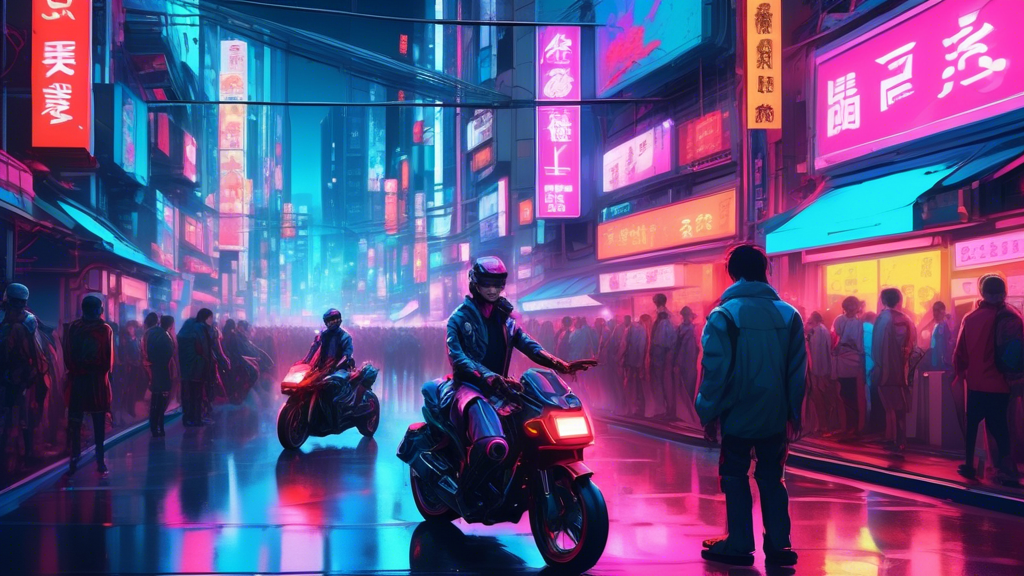
A futuristic Tokyo street scene with crowds in cyberpunk clothing, neon signs with Japanese characters, and a holographic motorcycle reminiscent of the one in Akira.

Akira’s Prophetic Vision

Released in 1988, Katsuhiro Otomo’s animated masterpiece, Akira, painted a vivid and, some might argue, prophetic picture of Neo-Tokyo in 2019. This cyberpunk landscape, teeming with biker gangs, psychic children, and government conspiracies, wasn’t just a backdrop; it was a character itself. And within this neon-drenched dystopia, Otomo sowed the seeds of fashion trends that would echo for decades to come.

Beyond the Capsule: The Enduring Influence of Akira Fashion

The film’s iconic red motorcycle jacket, emblazoned with the Kaneda capsule, became synonymous with rebellious cool, influencing fashion designers and street-style enthusiasts alike. But Akira‘s impact on fashion runs far deeper than a single garment. The film introduced a collision of styles – a fusion of traditional Japanese aesthetics with futuristic cyberpunk elements. Think oversized silhouettes, flowing fabrics, technical outerwear, and bold graphic designs. This unique blend resonated with audiences worldwide, cementing Akira as a cornerstone of cyberpunk fashion and a wellspring of inspiration for contemporary designers.

Tokyo Street Style: Where Tradition Meets Innovation

Tokyo has long been hailed as a global fashion capital, a city where tradition and innovation collide on the streets. From the elegant simplicity of minimalist fashion to the avant-garde extravagance of Harajuku style, Tokyo is a melting pot of self-expression through clothing. This fearless approach to fashion, where rules are meant to be broken and individuality is paramount, is a natural extension of Akira‘s rebellious spirit.

The AI Revolution: Reshaping the Fashion Landscape

Just as Akira imagined a technologically advanced future, we stand at the cusp of a new era shaped by artificial intelligence. AI is already transforming various industries, and the world of fashion is no exception. From AI-powered design tools to personalized shopping experiences, artificial intelligence is poised to revolutionize how we create, consume, and interact with fashion.

The Intersection: Where Akira, Tokyo Street Style, and AI Converge

Imagine a future where AI algorithms analyze street style trends in real-time, drawing inspiration from the fashion-forward streets of Tokyo. Picture AI-powered design assistants collaborating with human designers, creating unique garments that blur the lines between art and technology. Envision a world where personalized fashion experiences are curated by AI, offering customized style recommendations based on individual preferences and body types. This is the future where Akira‘s legacy, Tokyo street style’s innovative spirit, and the transformative power of AI converge.

AI as a Creative Partner: Amplifying Human Ingenuity

It’s important to note that AI isn’t here to replace human creativity; rather, it serves as a powerful tool to enhance and amplify it. By analyzing vast amounts of data, from historical fashion trends to contemporary street style images, AI can identify patterns and generate insights that would be impossible for humans to process alone. This data-driven approach provides designers with valuable inspiration, helps them understand emerging trends, and empowers them to push the boundaries of creativity even further.

Hyper-Personalization: Tailoring Fashion to the Individual

One of the most exciting aspects of AI in fashion is its potential for hyper-personalization. Imagine walking into a store (or browsing online) and being presented with clothing options tailored specifically to your body type, style preferences, and even your current mood! AI algorithms can analyze your past purchases, social media activity, and browsing history to create a uniquely tailored shopping experience, making fashion more personal and relevant than ever before.

Sustainable Solutions: Addressing the Fashion Industry’s Impact

Beyond aesthetics and personalization, AI has the potential to address some of the fashion industry’s most pressing challenges, particularly its environmental impact. By optimizing production processes, minimizing waste, and promoting circularity, AI can contribute to a more sustainable and responsible fashion ecosystem. For example, AI algorithms can analyze demand patterns to optimize inventory management, reducing the amount of unsold clothing that ends up in landfills. Furthermore, AI can be used to develop innovative materials and manufacturing techniques that are both stylish and environmentally friendly.

A Glimpse into the Future: What Awaits Us?

As AI continues to evolve, its influence on fashion will only become more profound. We can anticipate even more sophisticated design tools, hyper-realistic virtual try-on experiences, and perhaps even AI-powered garments that adapt to our surroundings or respond to our emotions. The line between the physical and digital realms will continue to blur, creating exciting new possibilities for self-expression through fashion.

Neo-Tokyo in Our Midst?

While we may not be zipping around on futuristic motorcycles (yet!), the world envisioned in Akira feels closer than ever. The fusion of technology and style, the relentless pace of innovation, and the blurring of lines between the real and the virtual are all hallmarks of our present day. And just like in Neo-Tokyo, the streets are our runway, a canvas for self-expression and a testament to the enduring power of fashion to reflect and shape our world.

As we venture further into this uncharted territory, one thing remains certain: the future of fashion is inextricably linked to the advancements in AI. And as we embrace the transformative power of this technology, we carry with us the rebellious spirit of Akira and the innovative energy of Tokyo street style, shaping a future where fashion is as limitless as our imaginations.

Ensuring AI Compliance Before Its Fashion Debut

A fashionable AI robot nervously checking itself in a mirror, surrounded by piles of legal documents and style guides.

Introduction

Artificial intelligence (AI) is rapidly transforming the fashion industry, from design and manufacturing to marketing and sales. While AI offers a plethora of opportunities for innovation and efficiency, it also presents unique challenges, particularly concerning compliance. As AI becomes increasingly integrated into fashion, businesses must proactively address potential risks to ensure ethical, legal, and responsible implementation. This article delves into the crucial aspects of AI compliance in fashion, providing a comprehensive guide to navigate this evolving landscape.

Understanding AI in Fashion: A Paradigm Shift

AI is revolutionizing the fashion industry in unprecedented ways. Let’s explore some key applications:

1. Design and Product Development

AI-powered tools are transforming how designers conceptualize and create fashion. From generating trend forecasts and suggesting design elements to creating virtual prototypes and optimizing fit, AI streamlines the design process, fostering creativity and efficiency.

2. Manufacturing and Supply Chain Management

AI optimizes manufacturing processes through automation, predictive maintenance, and quality control. By analyzing data from various sources, AI identifies bottlenecks, predicts potential disruptions, and enhances overall efficiency in the supply chain.

3. Personalized Customer Experiences

AI personalizes the shopping journey by analyzing customer data to offer tailored recommendations, predict preferences, and provide customized styling advice. This level of personalization enhances customer satisfaction and drives sales.

4. Marketing and Sales Optimization

AI empowers fashion brands to target the right audience with personalized marketing campaigns. By analyzing consumer behavior and market trends, AI optimizes ad spending, predicts customer churn, and enhances overall marketing ROI.

Navigating the Compliance Landscape

While the benefits of AI in fashion are undeniable, it’s crucial to address the associated compliance challenges:

1. Data Privacy and Security

AI relies heavily on data, raising concerns about the collection, storage, and use of personal information. Fashion brands must comply with data protection regulations like GDPR and CCPA, ensuring transparency, consent, and data security measures.

2. Bias and Discrimination

AI algorithms can inherit biases from training data, leading to discriminatory outcomes. For instance, AI-powered hiring tools might perpetuate existing biases in the fashion industry. It’s vital to mitigate bias through diverse datasets, algorithmic fairness assessments, and ongoing monitoring.

3. Intellectual Property Rights

The use of AI in design raises questions about intellectual property ownership and copyright infringement. Fashion brands must navigate the complexities of AI-generated designs, ensuring compliance with IP laws and protecting their creative assets.

4. Transparency and Explainability

The lack of transparency in AI decision-making processes, often referred to as the black box problem, raises concerns about accountability and trust. Fashion brands should strive for explainable AI, providing insights into how AI systems arrive at specific outcomes.

Ensuring AI Compliance: A Proactive Approach

To harness the power of AI responsibly, fashion businesses should adopt a proactive approach to compliance:

1. Conduct Thorough Risk Assessments

Identify potential risks associated with specific AI applications in your business. Assess the impact on data privacy, bias, IP rights, and other relevant compliance areas.

2. Implement Robust Data Governance Frameworks

Establish clear policies and procedures for data collection, storage, usage, and sharing. Ensure compliance with relevant data protection regulations and obtain necessary consents.

3. Prioritize Algorithmic Fairness and Transparency

Implement measures to mitigate bias in AI algorithms. Use diverse datasets, conduct fairness assessments, and provide explanations for AI-driven decisions.

4. Address Intellectual Property Considerations

Develop clear guidelines for AI-generated designs, addressing ownership rights, copyright issues, and potential infringement risks.

5. Foster Collaboration and Industry Standards

Engage in industry-wide discussions and collaborations to establish best practices and standards for responsible AI development and deployment in fashion.

6. Stay Informed and Adapt

AI regulations and ethical considerations are constantly evolving. Stay abreast of the latest developments, engage in ongoing learning, and adapt your compliance strategies accordingly.

Conclusion: Embracing AI with Responsibility

AI’s transformative potential in the fashion industry is undeniable. By proactively addressing compliance challenges and adopting a responsible approach, fashion businesses can harness the power of AI to drive innovation, efficiency, and sustainability while ensuring ethical and legal practices. As AI continues to shape the future of fashion, a steadfast commitment to compliance will be paramount in fostering trust, transparency, and long-term success.

The wave of bizarre AI art feels surreal

A surreal wave made of paintbrushes, palettes, and digital glitches, crashing down on a beach of human faces with bewildered expressions.

The Rise of AI Art: A Surreal Revolution

The art world is no stranger to change. From the cave paintings of Lascaux to the Renaissance masters, from the Impressionists to the abstract expressionists, art has always been a reflection of our evolving understanding of the world and our place in it. Today, we stand on the precipice of yet another artistic revolution, one driven by the unlikely hands of artificial intelligence. AI art, once a niche experiment, has exploded onto the scene, flooding our digital spaces with a wave of bizarre, beautiful, and often unsettling imagery.

The Algorithm as Artist: Understanding the Mechanics of AI Art

To grasp the surreal nature of AI art, we must first delve into its mechanics. Unlike traditional art forms, AI art is not born from the brushstrokes of a painter or the chisel of a sculptor. Instead, it emerges from lines of code, complex algorithms trained on vast datasets of images, text, and code. These algorithms, powered by machine learning, are capable of identifying patterns and relationships within the data, learning to mimic artistic styles and generate entirely new forms of visual expression.

One of the most prevalent forms of AI art generation is through text-to-image models. These models, with names like DALL-E 2, Midjourney, and Stable Diffusion, operate on a fascinating premise: you feed them a text prompt, a string of words describing your desired image, and the AI, drawing upon its vast knowledge base, attempts to translate your words into a visual representation. The results can be astonishingly realistic, whimsically abstract, or chillingly surreal, often blurring the lines between the familiar and the fantastical.

A Surreal Journey Through the Uncanny Valley

The surrealism of AI art often stems from its ability to tread the fine line between the recognizable and the utterly alien. Faces morph and melt, landscapes warp into impossible geometries, and everyday objects take on an eerie, dreamlike quality. This journey into the uncanny valley, that unsettling space where the almost-human brushes against the distinctly artificial, is a hallmark of AI art, prompting both fascination and unease in equal measure.

Imagine, for instance, a portrait generated from the prompt a woman with flowing hair made of butterflies. The AI might depict a face both human and ethereal, strands of hair transforming into a kaleidoscope of wings, capturing a fleeting moment of beauty tinged with the surreal. Or consider a landscape generated from a city skyline melting into a starry night. The AI might render towering skyscrapers dissolving into swirling nebulas, the familiar transformed into a scene of cosmic grandeur.

This interplay between the familiar and the strange, the recognizable and the uncanny, lies at the heart of AI art’s surrealism. It forces us to confront our expectations of what art can be, challenging our notions of creativity, originality, and even consciousness.

The Democratization of Creation: Empowering Artists of All Kinds

The rise of AI art has also sparked widespread debate about its implications for the future of artistic creation. Some view it as a threat, a harbinger of a future where human artists are rendered obsolete by machines. Others, however, see it as a powerful tool, a means of democratizing art and empowering a new generation of creators.

AI art tools have lowered the barrier to entry for aspiring artists. One no longer needs years of training to wield a paintbrush or sculpt clay. With a few lines of code and a spark of imagination, anyone can become an AI artist, exploring their creativity in ways previously unimaginable. This accessibility has led to an explosion of creativity, with individuals from all walks of life contributing to the ever-expanding tapestry of AI art.

Furthermore, AI art tools can serve as powerful collaborative partners for established artists. They can be used to explore new ideas, experiment with different styles, and push the boundaries of traditional artistic practices. Imagine a painter using an AI tool to generate a series of abstract textures, which they then incorporate into their physical artwork. Or a sculptor using AI-generated 3D models as the basis for a new sculpture, blending the digital and the physical in a seamless fusion of art and technology.

Navigating the Ethical Labyrinth: Copyright, Ownership, and the Future of Art

As with any disruptive technology, AI art has raised a host of ethical and philosophical questions that we are only beginning to grapple with. Issues of copyright and ownership are particularly complex. If an AI generates a piece of art, who owns the copyright: the programmer who created the AI, the user who provided the prompt, or the AI itself? And what constitutes originality in a world where machines can generate seemingly infinite variations on a theme?

These questions have no easy answers, and the legal frameworks surrounding AI art are still in their infancy. As AI art continues to evolve, it will be crucial to engage in thoughtful and nuanced discussions about its ethical implications, ensuring that we harness its potential while safeguarding the rights and interests of human creators.

A Surreal Future: Embracing the Unknown in the Age of AI Art

The wave of bizarre AI art washing over us may feel surreal, even unsettling at times. Yet, it is a testament to the boundless capacity of human ingenuity and the ever-evolving relationship between art and technology. AI art challenges us to expand our definitions of creativity, to confront our assumptions about the nature of art itself, and to embrace the unknown with a sense of wonder and curiosity.

As we venture deeper into this uncharted territory, one thing is certain: the journey promises to be as surreal, challenging, and ultimately rewarding as the art itself. We are witnessing the birth of a new artistic movement, one that will undoubtedly leave an indelible mark on the cultural landscape for generations to come.

Affiliate Disclosure: FashionNewsGF.com is a participant in the Amazon Services LLC Associates Program, an affiliate advertising program designed to provide a means for sites to earn advertising fees by advertising and linking to Amazon.com. As an Amazon Associate we earn from qualifying purchases. Learn more