Transforming Retail: JD Sports Leverages AI for Agile Assortment Planning and Supply Chain Enhancement

Transforming Retail: JD Sports Leverages AI for Agile Assortment Planning and Supply Chain Enhancement

JD Sports Implements AI Technology to Boost Assortment Planning

Introduction

JD Sports Fashion is a part of the global British athletic group JD Sports. The company now adds AI to its plan for selecting stock. It uses data and smart machines to run quickly. JD Sports plans to fix its stock rules and strengthen its supply chain as it grows.

Embracing AI for Growth

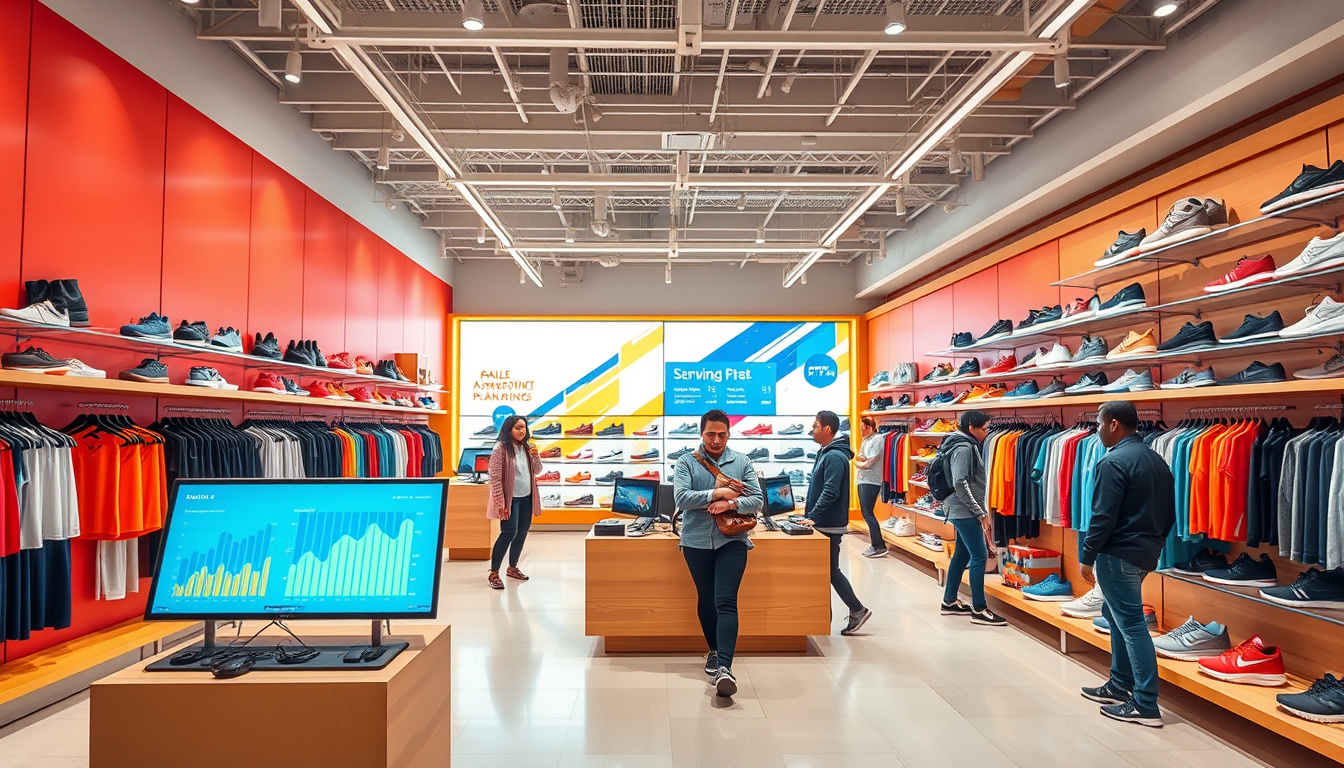
JD Sports Fashion runs over 970 stores in the United Kingdom and Europe. The firm now uses an AI supply chain tool made by o9. This step helps the store mix work better, cut down on price cuts, and raise store profit.

Wim van Aalst, Chief Supply Chain Officer of JD Sports Fashion, said, "Our area moves fast. We build a quick product mix for local taste and deliver it with speed. This plan helps us stay ahead of rivals." The work with o9 fits well with their plan.

Goals and Expectations

The o9 system will run on the JD Sports Fashion, Size?, and HIP brands. This change forms part of a plan to lock down operations when risks come and new chances show up in retail. Chakri Gottemukkala, co-founder and CEO of o9, said his team shares the goal to build quick growth as JD Sports grows worldwide.

Broader Technological Transformations

Other groups in JD Sports also use new tools. DTLR, a store for youth activewear, and Shoe Palace, which sells shoes and clothes, bring in cloud and AI tools for their supply chains. These brands use Jumpmind Commerce and Inventory on Android devices to help customer talks and work at 450 shops.

In Canada, JD Sports runs a cloud-based Retail Management Suite by Jesta I.S. The system brings endless aisle stock, real-time stock tracking, and a smart order system. It helps JD Sports Canada join stock from warehouses and marketplace sellers.

Conclusion

JD Sports started in 1981 and now has more than 3,000 stores in 32 regions. The use of new tech, like AI in stock planning, marks a clear shift in how the firm works to improve operations and care for customers. As JD Sports moves ahead, its focus on new ideas and a quick supply chain will help secure its growth in a tough market.
Empowering Women in Pakistan: The Transformative Power of a Virtual AI Fashion Show

Empowering Women in Pakistan: The Transformative Power of a Virtual AI Fashion Show

AI Fashion Show Empowers Women in Pakistan Through Digital Access

May 7, 2025 – Women in Pakistan face many challenges when using digital services. Research shows that they own mobile phones 38% less than men. The gap stops them from joining work, school, and social life. A new AI fashion show reveals that digital tools can support women in work and society.

Bridging the Digital Divide

Pakistan leads South Asia in mobile use. The nation has almost 196 million users and a phone rate close to 80%. Yet many women stay away from these services. This gap stops them from joining schools, banks, or jobs. Social rules keep them from growing in steps that many men take.

The GSMA Mobile Gender Gap Report 2024 shows that many men have phones. Just 33% of women use mobile internet, compared with 53% of men. Costs, reading skills, and local customs widen this gap. Programs now try hard to fill it while giving more skills to women.

Initiatives Making a Difference

New plans try to close the gap. Rules, local groups, and private firms work side by side in this change. Some programs teach computer skills and money management. Mobile companies now start low-cost services for women so they can use digital tools in daily tasks.

One program is Ba-Ikhtiar. It is run by Pakistan Telecommunications Company Limited (PTCL) with partners such as the Pakistan Poverty Alleviation Fund and Daraz. The group gives smartphones and trains women from rural areas. It teaches them to run online shops and handle money matters. About 79% of the women complete the course, and many now sell crafts online without needing middlemen.

AI-Powered Fashion Show: A Milestone Moment

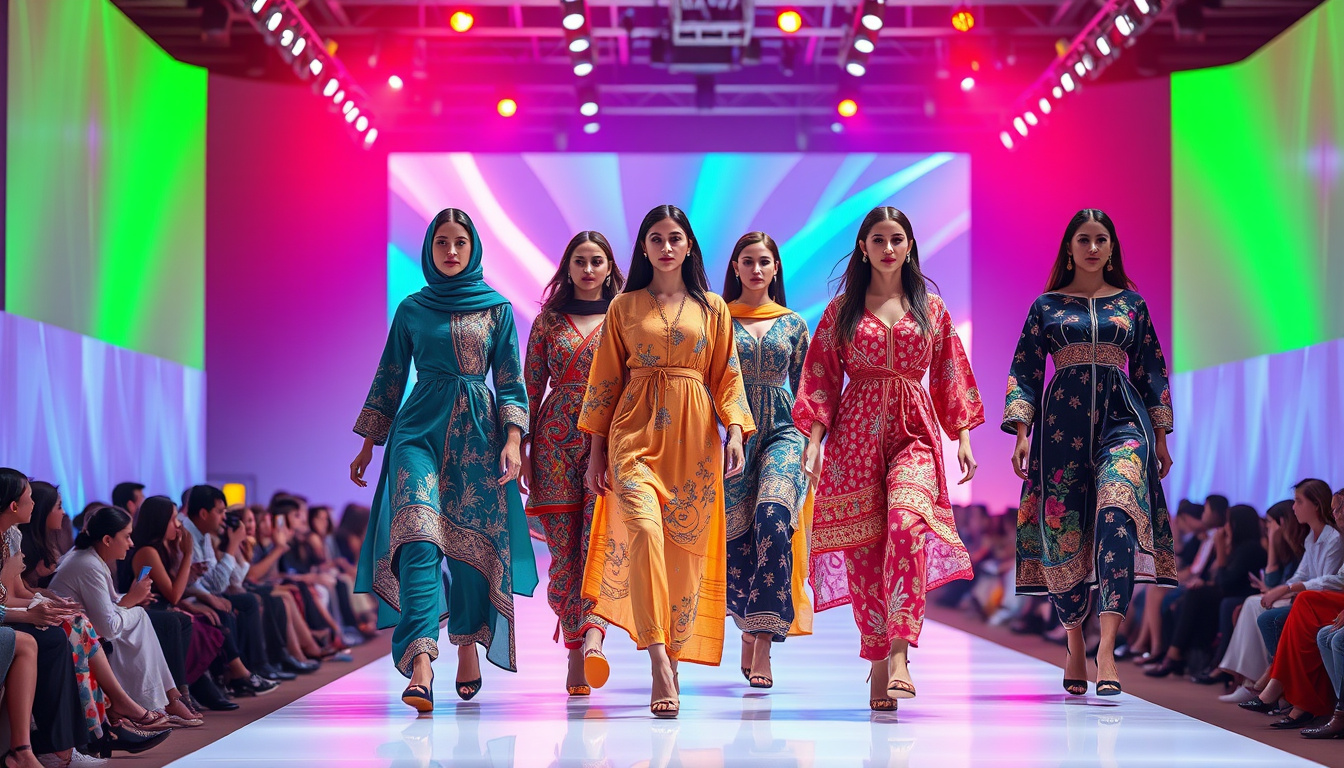
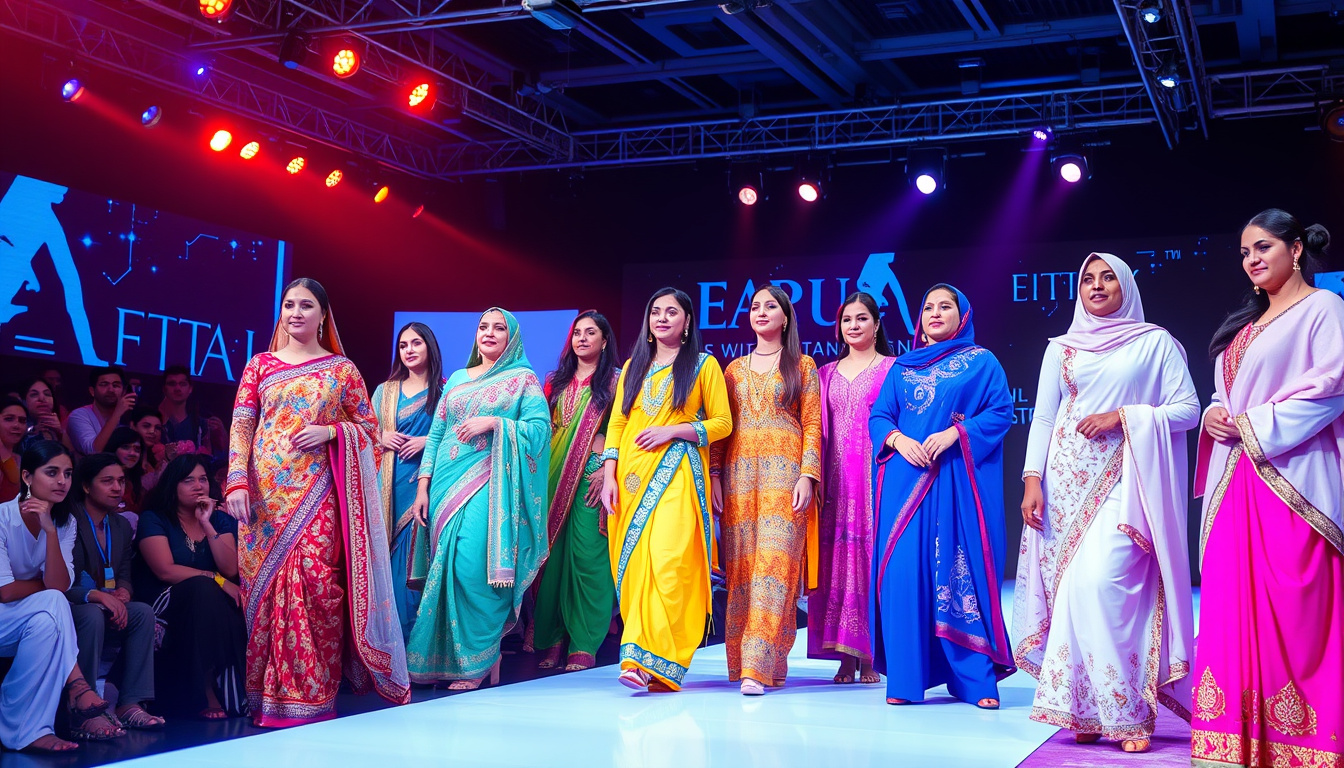
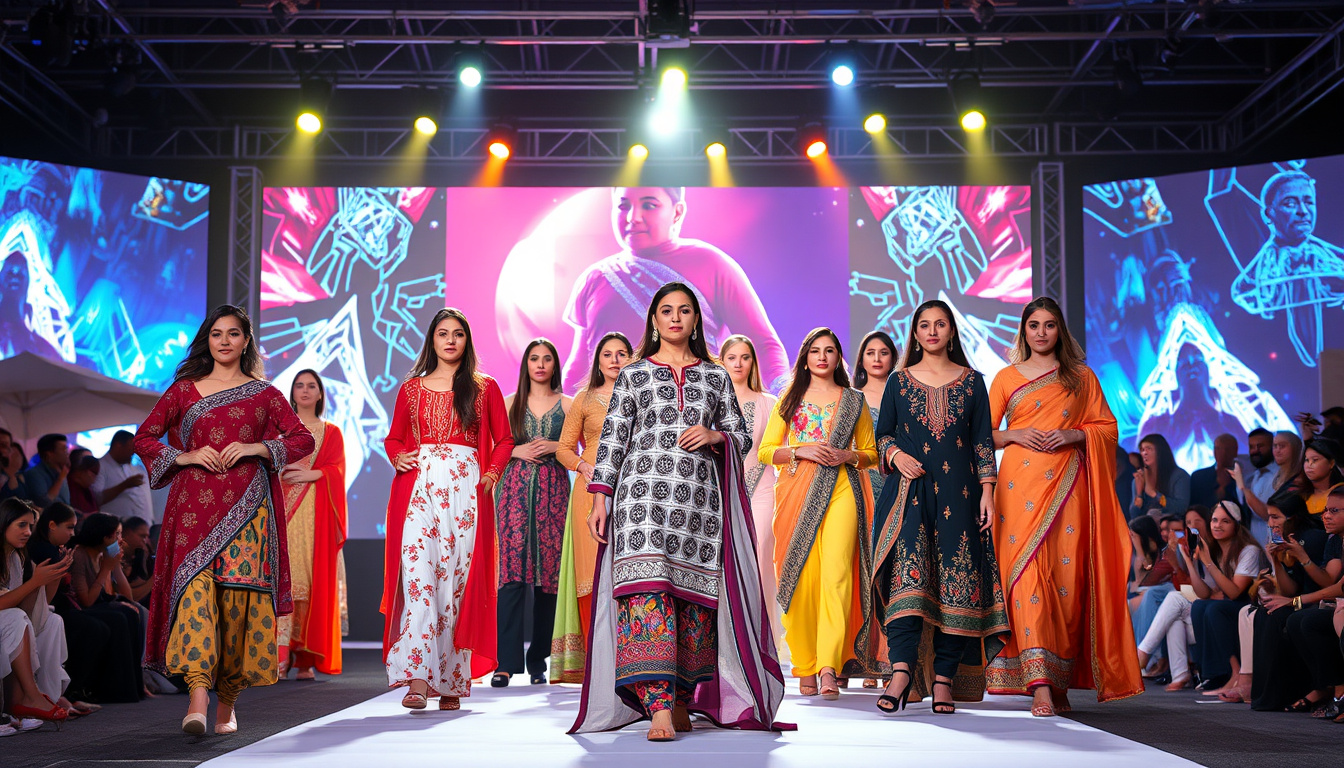
Ba-Ikhtiar ended with Pakistan’s first AI fashion show, where the art and tech came very close. The event showed local female makers as they had AI models wear the clothes they designed. The mix of old ways and new tech helped women join world markets and prove their skill on a modern stage. In one clear moment, the show proved that when women get digital tools and support, they can lead in online work and bring fresh ideas to many fields.

Looking Ahead

The AI fashion show is more than a grand event. It shows that Pakistan lives through change as digital tools help shift social roles. Now, Ba-Ikhtiar will grow to reach 20 districts and aims to train over 2,000 women in the next 18 months. Pakistan looks to its digital future with care while giving women a hand as main players rather than as bystanders. Ongoing plans teach computer skills and bring more access, which helps shrink the gap between genders and spread the gains of digital change.

With these plans that join tech and support, both men and women can work together to build a fair and rich Pakistan.

Empowering Women in Pakistan: How an AI Fashion Show is Bridging the Digital Divide and Transforming Lives

Empowering Women in Pakistan: How an AI Fashion Show is Bridging the Digital Divide and Transforming Lives

AI Fashion Show Highlights Women’s Empowerment in Pakistan

Bridging the Digital Divide

On May 7, 2025, an AI fashion show took place in Pakistan. The show joined modern tech with women’s strength. It proved that digital tools help change lives. Women can start small businesses and lift their social and work lives when they use these tools.

The Digital Gender Gap in Pakistan

Pakistan leads in mobile phone use in South Asia. The country has about 196 million subscribers with nearly 80% phone density. Yet, women have fewer phones. They are 38% less likely to own a mobile phone than men. Only about 33% of women use mobile internet. This gap stops them from using many services that can add to their social and work lives.

The limits come from high costs, low school skills, and social rules that keep women from tech use. Fewer chances to learn digital work make it hard for them to join tech use fully. Fixing these limits does not simply add access; it opens new work paths for all.

The Need for Digital Inclusion

Data from the GSMA Mobile Gender Gap Report 2024 shows that few tech tools in women’s hands lower their role in work and society. With less access to school, jobs, and finance, many women watch options slip away. Actions are rising at both government and local levels. Groups now push for tech learning, bank support, and new mobile plans aimed at women. These steps help women break old patterns and create new work paths.

The Ba-Ikhtiar Programme’s Impact

A project named Ba-Ikhtiar leads progress. PTCL starts the project with help from groups like the Pakistan Poverty Alleviation Fund, National Rural Support Programme, U Microfinance Bank, and Daraz. Ba-Ikhtiar gives women in far and low-service areas smart phones, digital wallets, and guides on online trade and money matters.

Many women, who had no phone before, now run online shops, sell handmade goods directly, and work without middlemen. The project will soon reach areas hit by floods and change training to work better with local needs. This shows that with the right tools, women can work well in the tech scene and win.

Celebrating Female Talent Through Innovation

The AI fashion show came from the work of Ba-Ikhtiar. It gave a stage to women craftswomen. The show mixed old skills with new AI powers. AI models wore clothes made by the women. This act let the artisans share their work with a wide crowd. The event was more than a display of style. It gave the women a way to show their skill without limits in place by distance or cost. With digital help, they take charge in the tech work scene.

A Vision For the Future

Pakistan moves toward digital care for all. Projects like Ba-Ikhtiar point to what can happen when tech meets support. Plans now aim to cover 20 districts, even in areas hit by disasters, to help more than 2,000 women in the next 18 months.

The future plan sees women as active doers in Pakistan’s growing tech work scene. As digital tech grows, every role helps build a fair and secure future for men and women alike. The AI fashion show marks one step in a wider move to join women to the digital world—a step that helps the entire society.

Revolutionizing Fashion: Pakistan’s Women Walk the Digital Runway with AI Technology

Revolutionizing Fashion: Pakistan's Women Walk the Digital Runway with AI Technology

AI Fashion Show Improves Digital Access for Women in Pakistan

World Economic Forum – In fashion, a new show uses AI to bring art and tech close. It helps Pakistani women meet style in new ways. Tech joins art to build a show that is clear and simple.

Bridging the Gap in the Fashion Industry

Fashion often feels tight and closed. Many women face limits from their home, income, or society. This AI show breaks those walls by giving a digital space. It lets Pakistani women see the latest looks without a trip. Designers, tech makers, and culture fans join as one team. They use AI to add a fresh touch to each design. The event honors local style with modern looks.

Engaging the Digital Audience

The show works with virtual models and digital figures. They wear clothes that mark Pakistan’s deep fabric roots. They also bring in new styles. Viewers click to join the digital show. This close link makes the event feel more real than a normal runway. It lets women share their taste and choose looks that suit them.

Empowerment Through Technology

AI in this event mixes art with a plan for more work chances. Local designers get a chance to reach more eyes. Their work appears online for sales and more fans. Tech helps break old rules and gives room for income. Experts say that events like this add women’s voice in many fields. The AI show stands as a starting point for future creations.

Conclusion

The launch of this AI show marks a shift in tech and fashion. It brings a new open space for Pakistani women. As digital use grows, the event brings out local culture while keeping room for new ideas. Women in Pakistan find fresh ways to show themselves and gain work strength. This blend of tech and design is a strong step in the talk about women’s power in a fast-changing world.

Empowering Women in Pakistan: The Transformative Impact of AI and Digital Access through Fashion

Empowering Women in Pakistan: The Transformative Impact of AI and Digital Access through Fashion

AI Fashion Show Empowers Women in Pakistan Through Digital Access

May 7, 2025 – World Economic Forum

An AI fashion show in Pakistan marks a change. The show connects digital access with real life gains for women. Women gain new skills that help them work and learn. Their power builds as tech meets hard work.

Bridging the Digital Divide

Mobile phones spread wide in Pakistan. Almost 80% of the people use them. However, women and men do not share these tools alike. Data shows 38% fewer women own a phone. Only 33% of women use mobile internet, while 53% of men do. Lower phone use restricts women at school and in jobs. Factors such as cost, reading skills, and local customs keep many from joining in.

Empowering Women Through Digital Tools

New plans now help women build skills. Groups in Pakistan teach digital work and money skills. Phone companies now supply cheaper plans aimed at women. One program, PTCL’s “Ba-Ikhtiar,” wins praise. It teams up with the Pakistan Poverty Alleviation Fund and Daraz. The program gives smartphones, digital wallets, and training in e-commerce and money basics. Many women start online shops, sell handmade items, and cut middlemen out.

Celebrating Innovation and Entrepreneurial Spirit

The AI fashion show brings design and tech close. Women who made traditional clothes now see a clear stage. AI animates models wearing designs from program participants. This event gives a spot for women to share their work. Their work now touches eyes both near and far.

A Path Toward Digital Inclusion

The “Ba-Ikhtiar” program shows real work toward change. The program will spread to 20 districts soon. It aims to help over 2,000 women in the next 18 months. Hands-on classes build skills that support work and business. As tech grows, women join the digital world with both men. Each step makes the gap smaller.

Conclusion

The AI fashion show stands as a sign of change. Women in Pakistan see tech as a tool to build better lives. Clear links between digital skills and progress help all citizens share in tech growth.

eBay’s Strategic AI Fashion Expansion Drives Strong Q1 Performance: Analyst Upgrades and Insights

eBay's Strategic AI Fashion Expansion Drives Strong Q1 Performance: Analyst Upgrades and Insights

eBay Reports Q1 Earnings: Strong AI Fashion Initiatives Drive Growth

eBay’s Quarterly Performance Exceeds Expectations
eBay Inc. (NASDAQ: EBAY) shared its 2025 first-quarter results. The company earned $1.38 per share, beating analyst views of $1.34. Revenue reached $2.58 billion, just above the $2.55 billion forecast. Last year, this quarter brought in $2.56 billion. The boost comes as eBay works on AI in its fashion section.

Growing Gross Merchandise Volume (GMV)
eBay saw its gross merchandise volume grow by 2% in constant currency. Needham analyst Bernie McTernan pointed out that GMV rose more in March and April. He links this rise to a 6% jump in sales for current season products in key categories.

Analysts Offer Positive Outlook
After the news, experts spoke well of eBay’s run in the quarter. McTernan renewed his Buy rating on the shares and moved his target from $72 to $78. JP Morgan’s analyst Doug Anmuth kept a Neutral rating and raised his target from $54 to $60. BofA Securities stayed Neutral, setting a target at $71. Investments in AI and Fashion
eBay puts funds into AI and machine learning for its fashion work. The company added new features, like active fashion feeds, which improve the shopping feel in the U.S. and U.K. This step ties with the trend toward sustainable buying and the growing pull of pre-owned clothes.

Geographic Expansion and Financial Projections
In the U.K., eBay’s customer-driven programs—such as Managed Shipping and eBay Balance—went beyond expectations. Even with pressures from global issues and U.S. tariff doubts, eBay aims for low single-digit GMV growth in constant currency. Financial views for 2025 also rose, with adjusted EPS estimates bumping from $5.32 to $5.37. Market Reaction
On Thursday, eBay shares fell slightly. Trading at $67.92, stocks dropped by 0.35%. Investors now watch as eBay uses AI to boost customer service and drive sales.

Conclusion
eBay stays set on its AI work in fashion to meet new customer trends. Upgrades in ratings and steady expert views show trust in eBay’s steps for growth. As the company works on new ideas and widens its reach, investors will keep a close eye on its progress.

Revolutionizing Retail: How AI-Generated Fashion Shoots Slash Costs and Redefine Marketing

Revolutionizing Retail: How AI-Generated Fashion Shoots Slash Costs and Redefine Marketing

AI-Generated Fashion Shoots Save Money for Retailers

By PYMNTS | April 30, 2025

Retail changes fast. A new trend grows in fashion. AI makes fashion shoots. Companies like BetterStudio, Lalaland, Botika, and FashnAI use AI. They let stores show clothes and things without high photo costs.

The Rise of AI in Fashion Marketing

Stores need good pictures. AI models help stores get quick images. A photo shoot used to need a photographer, models, and a team. Now, AI image work costs 75 cents to $1.30 per picture. BetterStudio started in March 2025. They let stores upload clothing photos. The system builds images with different AI models. This setup cuts costs and lets brands use the same picture in many ads. Luca Arrigo, the CEO, says the goal is to help all who work in fashion.

Creative Autonomy for Retailers

Marketers make images that show clothes on many body types and colors. Short sentences show ideas fast. A store sees a garment on different looks quickly. Companies like Lalaland, Botika, and FashnAI also help. They let stores show many kinds of models for global audiences.

Ethical Considerations and Industry Concerns

AI saves money. The trend also brings job worries. Some work groups ask for rules. In New York, a law needs a model’s clear yes before a digital image is made. A study from the Model Alliance shows many models fear that AI will hurt their jobs. Many models say they have sent body scans for digital work.

The Future of AI in Fashion

More brands use AI. H&M plans 30 digital models for ads. Human art joins with AI to show clothes in new ways. BetterStudio will soon start a market for social media stars. Stars send photos to brands with AI tweaks. Arrigo says his aim is to help true stars and models while letting groups work together.

For more news on tech and retail trends, stay with PYMNTS as we cover the changes in the market.

Phoebe Gates Launches Phia: The AI Revolutionizing Second-Hand Fashion for a Sustainable Future

Phoebe Gates Launches Phia: The AI Revolutionizing Second-Hand Fashion for a Sustainable Future

Phoebe Gates Set to Change the World of Second-Hand Fashion with AI Platform

Date: May 1, 2025
By: TOI Trending Desk

Phoebe Gates, daughter of Bill Gates, enters the world of used clothing. She builds an AI tool named Phia with her friend from Stanford, Sophia Kianni. This tool links smart tech with a new way to shop for pre-owned clothes. It cuts down waste from fast fashion.

A Growing Focus on Sustainability

Fast fashion started in the 1990s. Brands like Zara make clothes very fast. That speed leads to piles of gowns and shirts in dumps. Unsold garments now hurt nature with heavy pollution.

Young buyers now choose thrift stores. They favor clothes that do less harm to the earth. Phoebe Gates joins the scene as shoppers seek a simple change.

Introducing Phia

Phia comes from the clear plan of Gates and Kianni. The tool went live on April 24, 2025. It collects more than 250 million used items from sites like eBay, StockX, ThredUp, and Vestiaire Collective. Phia checks current market points to set fair prices. It makes buying used clothes plain and quick.

In an interview, Gates said, "Women spend a lot on shopping. Not giving them a special buy that suits both their purse and the earth is hard to see."

Market Outlook

The used clothing market grows fast. A 2023 report by ThredUp shows that the global resale market may double by 2027 to a value of $350 billion. Even with many sites in this space, Gates feels Phia shows its own clear way.

For buyers who want a low-cost pick that cares for nature, Phia fits well. Kianni asked, "How do you know you get a fair deal? We built this tool because we missed one in college."

Addressing the Environmental Impact

The fashion world sends out much carbon gas and wastes water. It now makes 92 million tons of textile waste each year, say experts at the United Nations Environment Programme. Phia helps by providing a way to shop that is kind to our earth. The tool also asks buyers to think hard about what they choose.

Phia does more than show used items. It works to change how buyers view and purchase clothes. Now, as the tool starts its path, all watch how it may shift habits and care for nature.

In sum, Phoebe Gates and Sophia Kianni bring Phia as a fresh answer to fast fashion. The AI tool weighs both cost and care for the world. With Phia in play, the world of used fashion may soon see a bold change for careful buyers.

Unlock Celebrity Style: Discover the Future of Fashion Shopping with OneOff’s AI Agent

Unlock Celebrity Style: Discover the Future of Fashion Shopping with OneOff's AI Agent

OneOff: Changing Celebrity-Inspired Fashion Shopping With AI

OneOff enters fashion retail with a new spin. This startup helps buyers find looks from famous stars. Emir Talu and Bobby Maylack started it. The system uses AI to make shopping quick and clear. Young shoppers now choose star-inspired clothes over old brand names.

The Star Effect on Fashion

Gen Z and young millennials now choose styles worn by stars. Many use apps like Instagram. Fans see real-time images of favorite looks. Talu said, "Young people use Instagram to find clothes they like. This app now drives most style choices."

At OneOff, the idea stays simple. The user visits the website and answers one question about which star they admire. The site then shows a short list of products that match that look. For example, a search for Addison Rae styles shows items like Repetto pumps costing $262 and a Dolce & Gabbana bustier top priced at $995. This list mixes high-end items and simple basics with clear links to the star’s look.

Fixing a Hard Shopping Task

Buying clothes seen on social media now feels slow. Talu said, "Instagram Shop came and went. Shopping on the app now relies on ads." Although affiliate links let people shop via social media, the steps feel long and hard. OneOff fills this gap. It uses AI to cut out extra steps while keeping the process clear.

When Talu and Maylack first looked at this area, they did not see a simple, quick fix. This need drove them to build their own website. They gathered a team with skills in fashion and star-related trends to work on the project.

Funding and Partners

OneOff raised money from well-known backers early this year. Investors include Pentas Ventures, the Hermès family office, and several figures from show business and fashion. A joint notice from Hermès & Lowe Family Offices said, "People now find fashion in new ways. We believe the OneOff team fits today’s style needs."

At launch, OneOff worked in beta with about 100 creators. These include stars like Hailey Bieber, Bella Hadid, and Sofia Richie Grainge, as well as stylists such as Dani Michelle. The founders picked them from top searches to match popular looks.

A Tailored Shopping Journey

Today, OneOff links to clothes from shops like Ssense, Mytheresa, and Net-a-Porter. As more people join, the site will add more brands by joining directly with stores.

OneOff plans to make shopping feel like a personal stream. AI will learn each user’s taste to suggest items that match. Talu dreams of a system that feels like a tailored feed, much like a home screen that shows just the right picks for each user.

AI in Fashion Retail

AI now plays a big part in many stores. Talu feels that OneOff blends AI with a human check. Every product picked by the AI gets a team review before it is shown. This extra step keeps ideas clear and true to each star’s style.

The company also gives star partners a way to earn money. A simple revenue split lets verified creators earn 10 to 25 percent. This plan helps them gain from the looks they set without complex work.

Conclusion

OneOff starts its work to change star-based fashion shopping. It faces the task of keeping up with fast-changing tastes yet keeping the site clear and fun. Many buyers seek quick style hints and clear links. OneOff meets this call by using AI that works with people. Its focus on star looks meets the wish many shoppers have: to dress as their favorite stars.

Unleash Your Inner Fashion Icon: Discover OneOff, the AI Agent Making Celebrity Looks Attainable!

Unleash Your Inner Fashion Icon: Discover OneOff, the AI Agent Making Celebrity Looks Attainable!

OneOff: The AI Shopping Agent for Celebrity Fashion

Innovating Fashion Discovery

Social media reshapes fashion. OneOff enters the scene with an AI search for style. Emir Talu and Bobby Maylack built the platform. They use the power of stars to guide shoppers. Gen Z fans watch celebrities for style cues. Smart tools meet a clear need.

The Concept Behind OneOff

OneOff makes fashion choice simple. It asks one clear question: "Who are you wearing?" Fans pick a celebrity and see AI-sent product matches. The picks mirror the star’s look or draw from it. For example, a search for TikTok star Addison Rae shows red pumps and a polka dot bustier. The platform lists upscale items along with simple basics. Talu says higher-priced items raise earnings for the site and its partners.

The Celebrity Influence on Shopping Behavior

Celebrities shape today’s trends. Magazines and online channels display their outfits. A report shows that 91% of Gen Z follow creators for style tips. Social media and star images send style hints. Bottega Veneta uses early star looks in its posts. Stars like A$AP Rocky and Kendall Jenner serve as style guides.

Addressing Shopping Frustrations

Instagram grows fast, yet its shop remains hard to use. Talu sees that finding star outfits on the app takes too long. This challenge led Talu and Maylack to build OneOff. They work to make buying simple. The company gained funds from several investors tied to fashion and media. They see a shift in how buyers search for trends.

A Unique Shopping Experience

OneOff is now in beta mode. It shows products from about 100 creators. Stars like Hailey Bieber, Bella Hadid, and Sofia Richie appear here. The list of creators comes from a strict look at user interest. Each week, Talu and Maylack add fresh names. When users shop, verified stars earn a share. Stars get paid without running their own web stores.

Using AI for a Personal Touch

OneOff uses AI to improve style searches. Talu envisions the service like a film app for fashion. The system learns what a user likes over time. It then sends picks that fit personal taste. Some may worry if AI fits unique style. Talu trusts that a human check guides the process. The system gets regular reviews to keep its picks in line with taste.

A New Era of Affiliate Marketing

At its core, OneOff builds a new model in online selling. It binds star style with quality shop items. The platform fills a gap in the market. More social stars now seek ways to earn from their style. OneOff stands as a clear answer that simplifies shopping for busy fans. As the site grows, it will change how buyers and stars connect in a world led by social media and celebrity trends.

Affiliate Disclosure: FashionNewsGF.com is a participant in the Amazon Services LLC Associates Program, an affiliate advertising program designed to provide a means for sites to earn advertising fees by advertising and linking to Amazon.com. As an Amazon Associate we earn from qualifying purchases. Learn more