Dreams in Digital: Exploring AI-Driven Fashion Campaigns by Sybille de Saint Louvent

Dreams in Digital: Exploring AI-Driven Fashion Campaigns by Sybille de Saint Louvent

Artificial Intelligence Meets High Fashion: A New Era of AI-Generated Campaigns

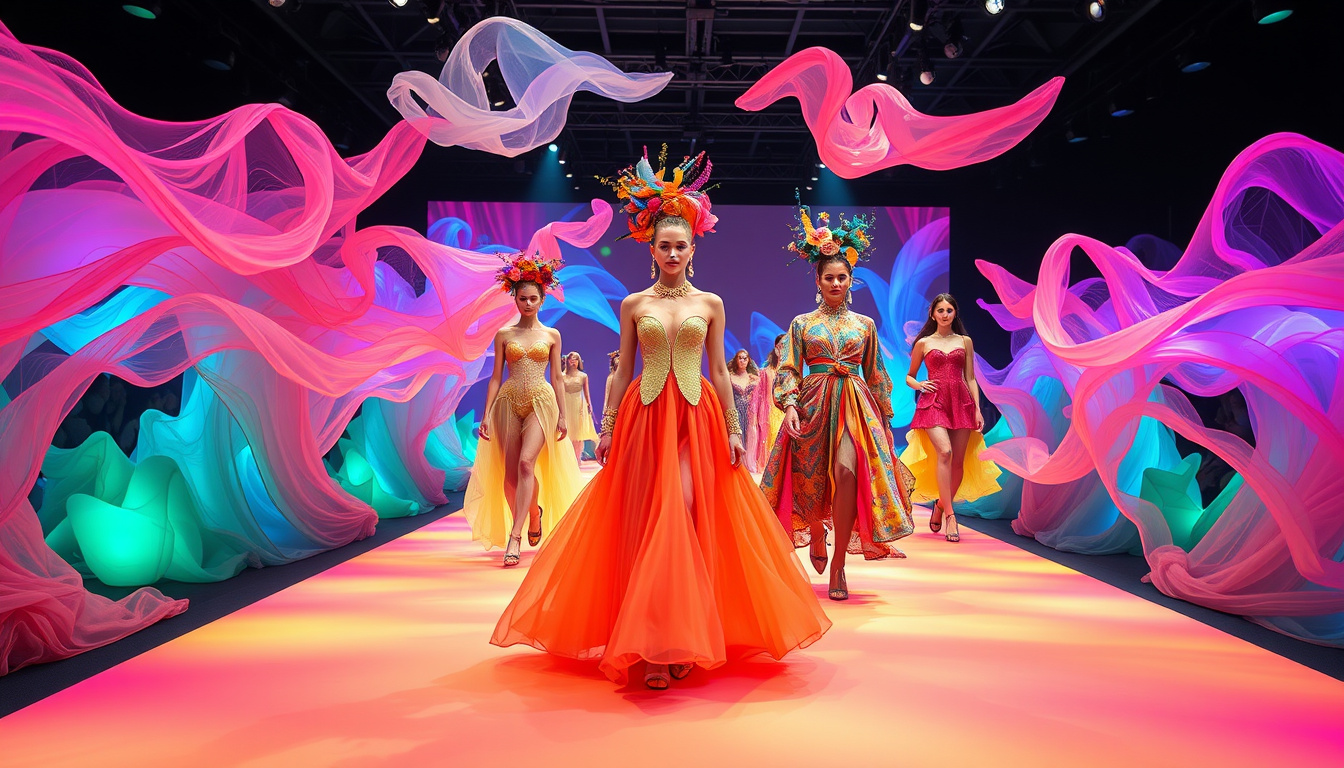
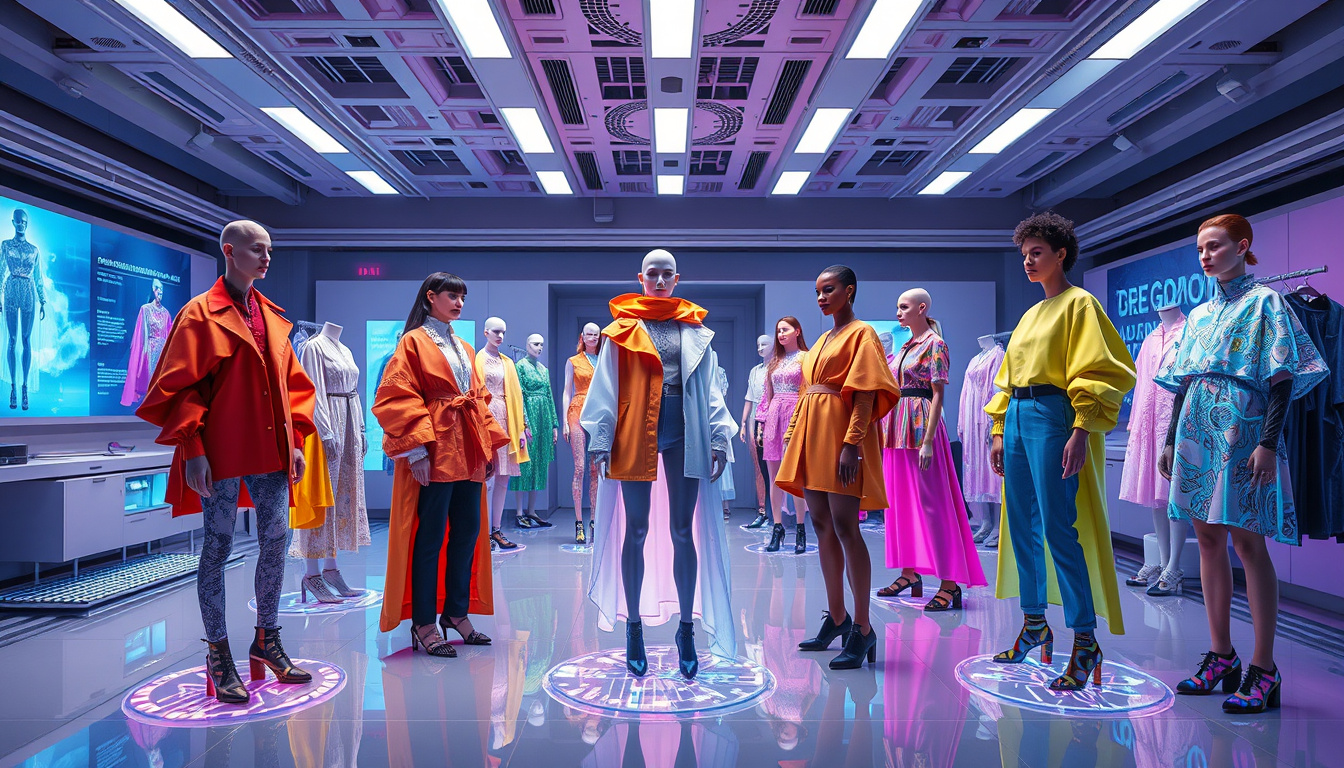
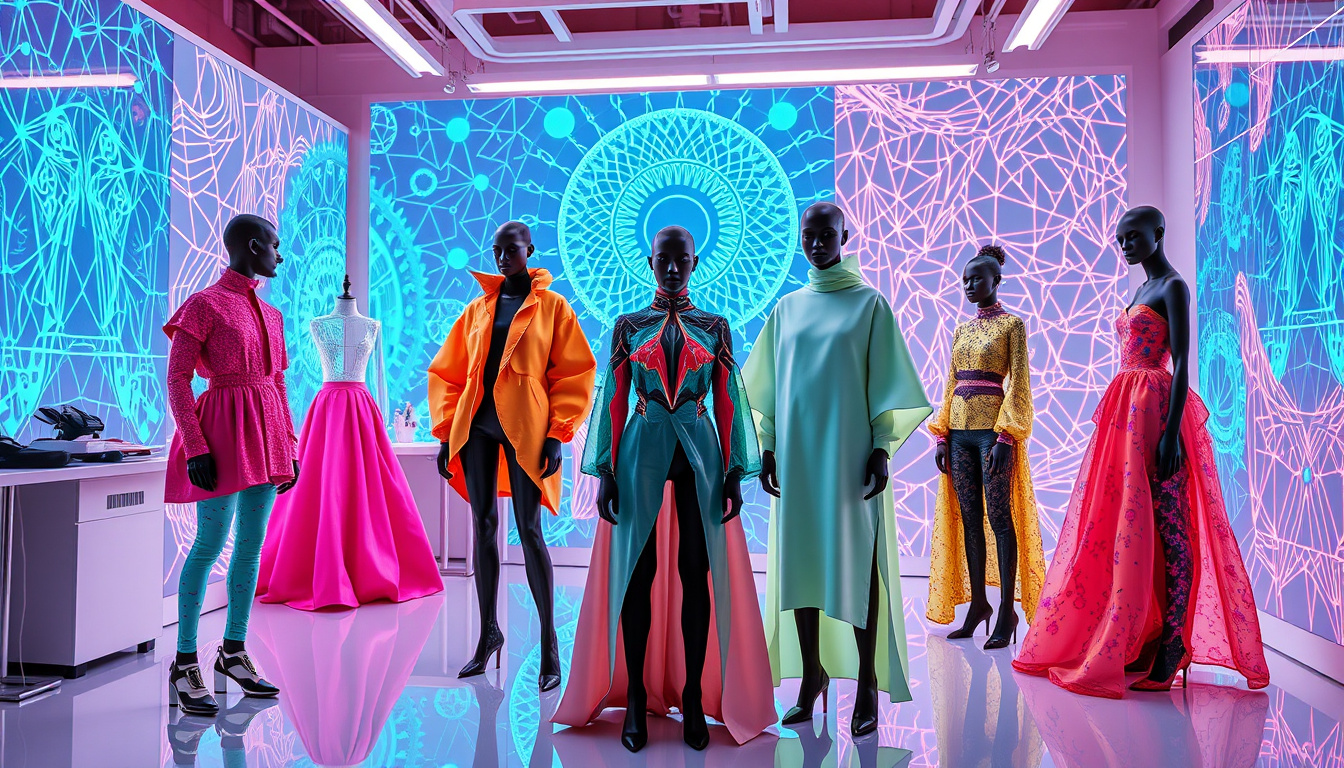
In a fast-changing fashion scene, a new method grabs eyes and sparks thought. Independent creative director Sybille de Saint Louvent works with AI to create art. She builds worlds where art and tech meet. Her work asks if AI can join fashion.

A Look at AI-Made Fashion

For Jil Sander, one striking image shows a model who looks up at a large stone head. Her eyes are closed as if she shares a secret. For Prada, another image groups models in soft tones. Their faces and shoulders form a patch of shapes seen from above. These images come from AI, without real models, real clothes, or brand deals.

Sybille de Saint Louvent has worked in art for more than ten years. About a year and a half ago, she tried AI. At first, her aim was small. In recent months, she makes one new campaign each day for social media. This method helps her put ideas to work when her mind is full.

"I saw the AI work as a strong tool," she said. She means that AI makes content fast. This speed helps when a real photo shoot can slow progress with many tasks to plan.

The Growth of AI in Marketing

The start of AI work changes how brands market. Many businesses test AI to create digital models and social images. In McKinsey’s report "The State of Fashion 2024," 26% of leaders try AI for visual work. Early tests showed images that felt machine-made. Now, new tech makes art that feels more true. Sybille de Saint Louvent’s art shows that AI can do many tasks. Her work hints that one day, AI may be used by many brands.

Gucci asked her to make art on the idea of two sides for their Fall/Winter 2025 show. In her video, a thoughtful woman stands behind and looks into a mirror. The mirror does not show her face but a man’s outline. Projects like this widen the use of AI in high fashion, where a strong tale and art rule.

The Human Touch in AI Art

Even with AI skills, de Saint Louvent says that a human mind brings heart to art. "It will not take away the feeling," she said. Artists set the idea and guide the art. Her style puts the story first, not just the product. In one project for Victoria Beckham, a coat sits in a soft armchair. The scene feels like a dream, not just a garment on display.

She directs the AI with clear, full prompts. She warns that AI can sometimes use old images if not told well. She also fixes pictures by hand to improve their look. Her work uses soft, neutral tones to keep the mood smooth.

Industry Impact and Future Paths

Sybille de Saint Louvent’s new campaigns bring praise and call new business. Some brands ask for help with both real photos and AI work.

The fashion field now sees many talks on joining AI to daily work. Many firms want new ideas to meet new needs.

Sybille de Saint Louvent’s work shows a shift in fashion marketing. AI now helps the art instead of replacing the human spark. As brands use this new tool, the mix of tech and art will keep the deep feelings in fashion.

Revolutionizing Fashion: The Impact of Generative AI on Design, Creativity, and Customer Experience

Revolutionizing Fashion: The Impact of Generative AI on Design, Creativity, and Customer Experience

Transforming Fashion Design: The Integration of Artificial Intelligence

By Dr. Mark Joseph O’Connell
School of Fashion, Seneca Polytechnic
Toronto, Canada
Published: August 26, 2024

The fashion world changes as AI joins design work. Designers mix data with skill to find new ideas. AI tools yield unique patterns and styles. AI reads large sets of data to point out what comes next. This text shows how AI helps creative work, improves shop visits, and sets the stage for future growth.

The Impact of Generative AI on Fashion Design

Generative AI shifts how designers work. Designers take data from social media and shop habits. AI finds clues in that data and points to future styles. The tool helps designers push boundaries with new looks and materials.

AI also allows clothing to adjust in real time to match one customer. The system sees buy history and site clicks to hint a design made for one eye. The result is a shop that feels close and clear.

Improving Customer Experiences

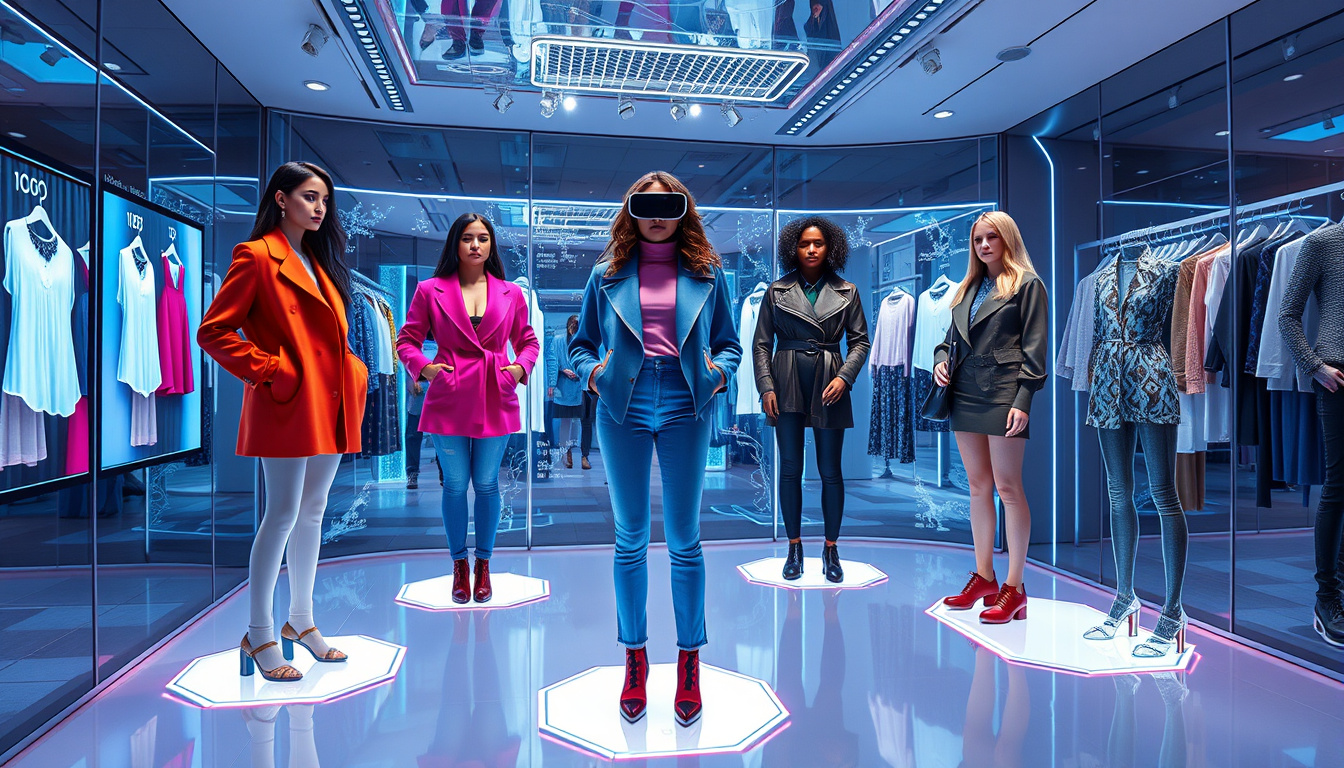
AI changes the link between clients and brands. Virtual try-ons and mix-up screens let buyers see a fit before they buy. This method adds strength to the buying step and can cut the count of returns.

AI aids in mapping shop supply chains, predicting when many people want the same item while controlling stock. This plan helps companies use less waste and save parts. Chat systems run by AI deal with questions and orders fast. Human workers then focus on cases that need a human touch.

The Role of AI in Fashion Education

AI now reaches the school side of fashion too. Smart tools give students a way to learn at their own pace on adaptable programs. Students join with peers on projects where tech meets art. This work prepares them for times when mind and machine work as one.

Ethical Considerations and Literature Review

As fashion meets AI, experts watch how this work touches on fairness. The use of AI calls for a care that keeps nature and human work in view. This review looks at past work on AI and fashion and sees both the gain and the risks that come with new tech.

Conclusion: A Future of Responsible Innovation

New events like AI Fashion Week show promises where tech and cloth meet. Even if some see risk when machines join art, each part proves that work between human and AI is strong. The mix of tech advances with hand work helps design grow with care.

Looking ahead, the field joins AI with a plan that sees long-end effects on art and craft. With AI’s steady role in design, the fashion world readies a new time filled with open creative space.

Revolutionizing Fashion: Meet Doji, the AI-Powered Virtual Try-On App Captivating the Tech World

Revolutionizing Fashion: Meet Doji, the AI-Powered Virtual Try-On App Captivating the Tech World

New AI Virtual Try-On Startup Doji Excites Fashion Tech Fans

Doji is a startup in virtual try-on tech. It uses AI to make lifelike avatars. Users see clothes on their digital selves at home. The tech world and fashion fans like this idea. The app grabs the attention of tech leaders and early users.

Significant Investment and Backing

Doji got early funding. Alexis Ohanian led a group called Seven Seven Six. Origins Fund joined the group too. The startup did not say the sum. Ohanian, a Reddit co-founder, posted on Twitter: "Shopping is fun again with AI." He shared fit photos made by the app.

Chris Vanzetta, a partner at Seven Seven Six, said that making a real online dressing room is a big win. Many have tried virtual try-on before. With smart AI and good style, Doji gives users a true try-on feel.

Founders’ Vision and User Experience

Dorian Dargan and Jim Winkens started Doji. They once worked at Meta and Google DeepMind. They built this app for real users. Dargan said, "We began this project for ourselves, and that is why it works well for people." The design fits real needs rather than just showing off tech.

The app is simple to use. Users send several selfies and two full-body photos. In about 20 minutes, the AI makes an avatar. The app shows clothes and lets users add items from other shops with buy links. The process makes it easy to see and get clothes.

Industry Buzz and User Insights

Tech investors now see promise in AI at the app level. Jim Winkens said smart investors note that much value in AI sits in the app. Doji is not alone in virtual try-on. A tool called Vybe raised $4.75 million in seed funding last summer.

Early users give good feedback. Jane Manchun Wong found Doji on social media. She liked how the app chose clothes for her. "It picks items that match well," she said. Karine Hsu from Slope liked the mix of high-fashion items and everyday wear. She even went to a store to compare the fit using a photo from the app.

Conclusion

AI is changing many fields. Doji stands out in fashion tech with smart AI and a focus on real users. The startup excites tech fans, investors, and shoppers alike. It will grow and may change how we shop online.

Revolutionizing Online Fashion Shopping: Meet Daydream, Your AI-Powered Personal Stylist

Revolutionizing Online Fashion Shopping: Meet Daydream, Your AI-Powered Personal Stylist

Daydream: The AI Shopping Assistant Set to Change Online Fashion Retail

Today, shopping online can feel too much. Daydream is a search engine that helps shop for clothes. Julie Bornstein co-founded Daydream. It uses smart AI to give style advice like a real helper.

Changing Online Shopping

Julie showed a beta version at the BoF VOICES event in Oxfordshire last November. She calls Daydream "ChatGPT for shopping." The tool cuts out long hours of clicking through many websites like Instagram, Amazon, and Net-a-Porter. Instead, it brings choices together in one simple space.

"We’re building a stylist for everyone," Julie said. Daydream will soon launch in the U.S. and then work in other regions.

A Shopping Experience with Clear Features

Imran Amed, BoF CEO, calls Daydream a tool that helps people find products online with smart tech. The system uses generative AI, machine learning, and computer vision. It cuts down the problem of too much information. With $50 million in seed funds, the team works with brands such as Gucci, Jimmy Choo, H&M, and Net-a-Porter. Today, the site shows more than a million items from over 5,000 brands, with plans to add even more.

Personalized Shopping Made Easy

Daydream stands apart by giving each shopper a personal touch. A user may type, for example, "burgundy dress with an odd shape for an evening event." In response, the tool shows curated product choices. Julie has a long history in online selling and AI. She helped start The Yes, which became part of Pinterest in 2022. Now, she works with a team of style experts to keep up with trends.

Linking Shoppers and Brands

When a shopper finds a product they like, they go straight to the brand’s website. Daydream does not process payments. This way, customers deal directly with brands. Shoppers can also share their finds with friends to get quick feedback. The founding team brings experience from firms like Google, Microsoft, and Amazon, which helps Daydream grow in online fashion.

Daydream in India: Questions and Prospects

As Daydream prepares to launch, people wonder if it will work well in India. A report shows that 39% of Gen Z consumers in India choose online luxury. Journalist Sujata Assomull asks if Daydream will include small, unique brands. Designer Karan Torani says that while Daydream may help find streetwear and mid-price fashion, shoppers looking for high-end items might still want the full, hands-on experience. For very expensive items, customers want to touch and feel before spending.

Conclusion

The fashion world now welcomes more smart tech. Daydream may change online shopping with its clear and user-friendly service. What happens next will depend on smart steps in different markets. Soon, shoppers may find a better way to shop for fashion in the digital space.

Revolutionizing Fashion Marketing: The Rise of AI-Generated Campaigns by Sybille de Saint Louvent

Revolutionizing Fashion Marketing: The Rise of AI-Generated Campaigns by Sybille de Saint Louvent

The Rise of AI in Fashion Marketing: Sybille de Saint Louvent’s Revolutionary Approach

Sybille de Saint Louvent is an independent creative director. She makes waves in the fashion world with AI-built marketing campaigns. Her pictures grab attention. One picture for Jil Sander shows a model who lifts her face to a large stone head. The model closes her eyes in a quiet moment. A picture for Prada gives an aerial view of many models in beige and brown. The group builds a patch of textures and shades.

The Future is Artificial

De Saint Louvent stands apart. None of the images, models, or clothes are real. They all come from AI. The brands do not work on these visuals. "I saw the AI tool as a great chance to work," she said. "As a creative, you wait for a client to call. Campaigns cost lots of money, time, and many people."

Her work with AI caught much online attention. It puts her ahead while big brands try new AI methods for marketing. She made a campaign for Gucci next. Gucci planned a show for Fall/Winter 2025 and gave her freedom on a two-sided theme. The campaign starts with a picture of a woman by a mirror. The mirror does not return the woman’s image. It shows a man sitting next to her.

AI’s Growing Influence in Marketing

AI grows stronger as it learns new tasks. A report by McKinsey and The Business of Fashion told us that many executives now try AI for picture content. AI helps build digital models and parts of strategies. AI changes the face of fashion marketing.

De Saint Louvent began with AI a year and a half ago. Three months back, she started posting one campaign each day on social media. She still does normal shoots for brands. She now uses AI to test an idea. This step helps clients see a project before spending a lot of money.

The Human Touch in AI Creativity

AI can produce strong images, but it cannot feel. De Saint Louvent says a human cannot be replaced by AI. "AI cannot show the full emotion of art," she said. Other creators agree. Human insight helps build deep stories in pictures.

When Casablanca used AI for a 2023 campaign, brand head Charaf Tajer said his team did research and planned the story by hand. De Saint Louvent agrees. She says her projects focus on the story, not just the items. She writes clear, short prompts to guide the AI. Her work may include trial and error.

One project for Victoria Beckham shows a coat sitting alone on a soft chair. No person stands near it. The image gives a quiet, dream-like feel. She pays strong attention to her choices. In post-editing, she adjusts the colors to match a soft, neutral look.

A New Era for Brands

Many brands admire de Saint Louvent’s AI work. Companies ask for her help to show their ideas. Some want a mix of normal photography with AI images. This mix shows a clear interest by brands in this form of art.

In this fast-changing field, AI is set to play an even bigger role in fashion marketing. Both brands and creators see its ability to form clear, strong stories in images. As de Saint Louvent widens her view of AI, her art shows a strong passion for creative work in our digital age.

Transforming Fashion Education: FIT Partners with Impact Analytics to Equip Students with AI-Driven Inventory Solutions

Transforming Fashion Education: FIT Partners with Impact Analytics to Equip Students with AI-Driven Inventory Solutions

Impact Analytics Partners with Fashion Institute of Technology to Boost Student Learning with AI Technology

New York, NY – March 3, 2025 – Impact Analytics™, a top provider of planning, merchandising and inventory solutions built with AI, has joined with the Fashion Institute of Technology (FIT) in a new deal. The two share use of Impact Analytics’ smart software, InventorySmart, in the course “Fashion Planning & Allocation.” This plan gives students real practice with tools built on data that matter to fashion.

A New Era of Fashion Education

InventorySmart now sits within FIT’s class schedule. Professor Naomi Gross, who teaches Fashion Business Management at FIT, said, "Using data tools in our classes helps our students learn the skills they need to succeed in today’s fashion. With InventorySmart, our students work with real-world AI tools that shape modern retail. This work gives them an edge when they enter the job market."

Practical Skills for Future Leaders

Students work with InventorySmart to plan demand, adjust stock levels, and see how many factors affect inventory. The tool teaches them to match supply to demand, cut overstock, and boost profit for fashion stores.

Prashant Agrawal, head of Impact Analytics, stressed this deal’s part in shaping fashion training. "We give future fashion leaders clear work with AI tools like InventorySmart to prepare them for a world built on data," he said. "FIT shows its drive to work with new ideas in retail and fashion. We are proud to add to FIT’s growing knowledge base."

About InventorySmart

InventorySmart is a strong software tool by Impact Analytics. It helps stores plan for stock by grouping products, cutting extra inventory, and making smart choices based on many factors. This close method makes it easier for firms to move products and plan stock.

About FIT

The Fashion Institute of Technology is part of the State University of New York. It leads in career-focused art, design, business and tech education. With over 8,000 students, FIT blends hands-on training with theory and a base in liberal arts. The school pushes fresh ideas and teamwork while offering programs that meet the busy, creative world.

Offering almost 50 majors and hosting well-known names like Calvin Klein and Michael Kors, FIT stays a site where new talent takes shape in fashion and beyond.

About Impact Analytics

Impact Analytics creates AI-driven software and consulting to help companies grow profit and keep customers happy using current data trends. The system covers planning, forecasting, merchandising, pricing, and deals to let companies work with today’s figures instead of old ones. Honored by Fortune and Financial Times, Impact Analytics continues to shape how businesses use data in many fields.

For more info, please visit www.impactanalytics.co and fitnyc.edu.

Media Contact:

Maggie Williams Dryden
Vice President, Global Head of Marketing
Email: [email protected]

This deal shows a clear view of education that meets new tech trends in fashion. It aims to get students ready for jobs in a fast-changing world.

Fashion Forward: How AI is Shaping the Future of Creativity and Sustainability in the Industry

Fashion Forward: How AI is Shaping the Future of Creativity and Sustainability in the Industry

Visions of Tomorrow: The Intersection of AI and Fashion

The Visions series shows our future. It looks at many sectors, and fashion is one of them. Experts join to ask clear questions. How do we see tomorrow? What small hints change how we live and work? This series stays with creative minds in fashion. It informs and sparks ideas.

AI’s Growing Role in the Fashion Industry

Fashion teams put AI into work. Firms add AI into both design and numbers. AI sorts data and sets prices. Its art work stays new and small.

Some folks worry machines might replace human art. No tool stands in place of human skills. AI makes work faster and neater. To share these gains, firms need rules for copyright and plans to care for the earth. Big groups, like Zalando and top luxury brands, hold funds to use AI well.

Expert Insights from Paul Mouginot

Paul Mouginot makes art with tech. He co-starts stabler.tech. He knows both machine work and style. He works with the Fashion Council. In 2016, he built an AI tool to compare rivals. Soon, Veepee bought his tool. His work shifts tasks from old heavy data entry to smart machine work.

Mouginot sees tech as a friend to art. He mixes art and machine work. He shows brands new ways to build their style.

Harnessing AI for Creative Uses

Mouginot sees three main tasks for AI in art jobs. First, AI helps sort lists for brands. It picks details to flag in picture work and make machine parts. Second, AI helps set prices and guess demand. It reads how buyers act with more than basic facts. That work shapes product rollouts and stock checks.

Small groups feel the strain of AI cost. They shift to new tech bit by bit. Firms balance their spend against gains from new tools.

New Job Roles in Fashion

AI changes how teams work in fashion. Data experts sit close with art crews. Mouginot pushes for roles that bridge tech and art. One role acts as a translator between numbers and goods. That join builds a clear link and uses AI smartly.

Generative AI: Sparks and Ideas

Today, generative AI starts new ideas in design rooms. It pulls from wide sets of data. Mouginot calls for rich yet fair data to feed the machine. Brands share ideas with care over copyright and true art voice.

Future work aims to fit each firm with models that work for less. The goal is to use small data sets that still show strong hints without high cost.

A Future of Shapes and Sustainability

Tomorrow, AI in fashion may join all cues: images, sounds, and text. New tools may come at low cost and suit firms of any size.

Each firm sets its own pace with AI. From craft to cost, AI can stand as a tool in work. It may push green ways by testing new cloth and tracking goods simply.

Paul Mouginot sees tech mix with art work in fashion. His view lights a clear path ahead, filled with new steps in style.

Revolutionizing Fashion Education: FIT Integrates AI-Powered InventorySmart for Future Retail Leaders

Revolutionizing Fashion Education: FIT Integrates AI-Powered InventorySmart for Future Retail Leaders

Impact Analytics™ Partners with Fashion Institute of Technology to Boost Fashion Education with AI

New York, March 3, 2025 – Impact Analytics, a leader in AI planning and merchandising, teams with Fashion Institute of Technology. The firm adds its tool InventorySmart to the course "Fashion Planning & Allocation." The tool gives students real work with smart tech for stock and plan work in fashion.

Naomi Gross guides the Fashion Business Management class. She says, "We use data tech in class so that students learn with real tools." InventorySmart gives each student real ties with AI tools that shape retail work. This work gives graduates a head start in jobs.

InventorySmart brings AI forecasting to the class. It shows ways to work on demand planning and stock aims. It links over 200 factors to stock moves. When students use the tool, they learn how data aids planning in stores. This work helps shops balance supply with purchase.

Prashant Agrawal, Impact Analytics’s founder and CEO, spoke on this work. He said, "We give students AI tools like InventorySmart to build skills for a data world." He praised FIT for putting AI in the class list. His words point to new ideas in fashion retail.

The InventorySmart tool aids shops with stock plans. It makes prediction and product lists clear. It cuts waste and brings clear choices. The work with FIT shows students work in a real setting that helps future careers.

The Fashion Institute of Technology is part of the State University of New York. FIT has led art, design, business, and tech for years. Over 8,000 students learn with both practice and class work. FIT mixes hands-on work with theory to prepare students for creative jobs.

Impact Analytics works with AI tools and advice. Their system helps shops use real-time facts in planning and sales check. The firm appears in Fortune, Financial Times, and Inc. 5000. Its work in AI and business aids many groups.

For more info on the Fashion Institute of Technology, visit fitnyc.edu. For more on Impact Analytics, visit www.impactanalytics.co.

Media Contact:
Maggie Williams Dryden
Vice President, Global Head of Marketing
[email protected]

Unlocking AI’s Potential: How Fashion Brands Can Master the New De Minimis Rules

Unlocking AI's Potential: How Fashion Brands Can Master the New De Minimis Rules

AI in Fashion: Understanding New De Minimis Rules

Amy Morgan, Vice President of Trade Compliance at Altana, wrote a recent article. She explains how artificial intelligence (AI) may help fashion brands follow new US de minimis rules. The new rules set limits on the value of imported goods that do not face tariffs. AI can give real help by cutting steps and making work run smooth in clothing businesses.

Understanding the De Minimis Rules

The de minimis rules set a cap on import values that can come in duty-free. These rules change how brands move goods from abroad. Fashion makers find these rules key because they affect supply chains and product costs. When trade rules change, brands must learn the new limits to stay strong in a busy market.

How AI Can Help Fashion Brands

Morgan points out that AI brings tools that cut through the hard parts of new trade limits. Some uses of AI in this area are:

Better Compliance Checks

AI looks at trade data in small steps. It spots issues early so brands can fix them before fines or delays stop a shipment.

Simple Supply Chain Management

AI helps brands keep close track of stock and shipments. With many suppliers and products to watch, this quick work helps brands decide on orders and dispatch with care.

Cost Control

Using smart forecasting, AI shows trends in tariff rules. This feed lets brands tweak prices on the fly. In doing so, they keep costs in check and profits secure.

Why Fashion Brands Should Choose AI

The clothing industry must change with new rules and market shifts. AI helps brands keep up with these shifts. It smooths compliance checks, cuts back work steps, and gives a plus in a busy field. Fashion makers who choose AI need the right tools and team training so that every group uses these aids well.

Stay Informed with Just Style

For people in fashion who want to keep up, Just Style has a subscription service. For just £1, readers get full access to expert views, clear study notes, and talks with leaders on what is hot now.

Subscription Benefits

Subscribers get news on many topics—from picking fabrics and tracking shipments to new markets and advances in making clothes. Views from top specialists help brands shape plans to stick to trade limits and grow.

To get this useful news, firms and persons are urged to sign up to get regular updates on the clothing field.


AI now stands to shift how fashion makers handle trade checks. Adding AI may bring a real step forward for brands as they work with rule changes and keep a lead in a fast move market.

Harnessing the Power of AI in Retail: Strategies for Success in a Competitive Landscape

Harnessing the Power of AI in Retail: Strategies for Success in a Competitive Landscape

Generative AI Transitions from Hype to Real-World Retail Implementation

February 25, 2025 – In retail tech, generative AI went from promise to real work. Over the past year, this new AI drew much talk and now shows clear results. Shops face tough times, yet many see real gains.

The Rise of Generative AI in Retail

In 2024, talk turned to generative AI. Retail firms used AI to plan work and serve buyers. Companies put AI in tests to improve how they manage stock and guide ads. The systems work on big sets of data to spot buyer moves and suggest items. This work makes shopping feel more close and clear.

Government Help and a Fierce Market

Leaders saw the change in AI. In January, a top official signed a paper to boost US AI work. The order cut red tape so firms could build and use AI with less hold-up. With fewer limits, shops raced to add AI work. Firms work side by side to stay ahead in a hard market.

Generative AI’s Future in Retail

The market now slows. Shops use AI to change work while they face hard times. Early wins show AI is more than a short word. Experts say shops must watch AI work over long periods. They set clear marks to check how AI meets changing buyer habits.

More facts will come as shops show real impact. Readers can join free feeds and news from top sites to keep pace with change.

Conclusion

Generative AI moved fast from trend to use in shops. Stores now plan with clear signs and safe steps. The next months will show how well AI fills needs in retail and shapes shop work.

Affiliate Disclosure: FashionNewsGF.com is a participant in the Amazon Services LLC Associates Program, an affiliate advertising program designed to provide a means for sites to earn advertising fees by advertising and linking to Amazon.com. As an Amazon Associate we earn from qualifying purchases. Learn more