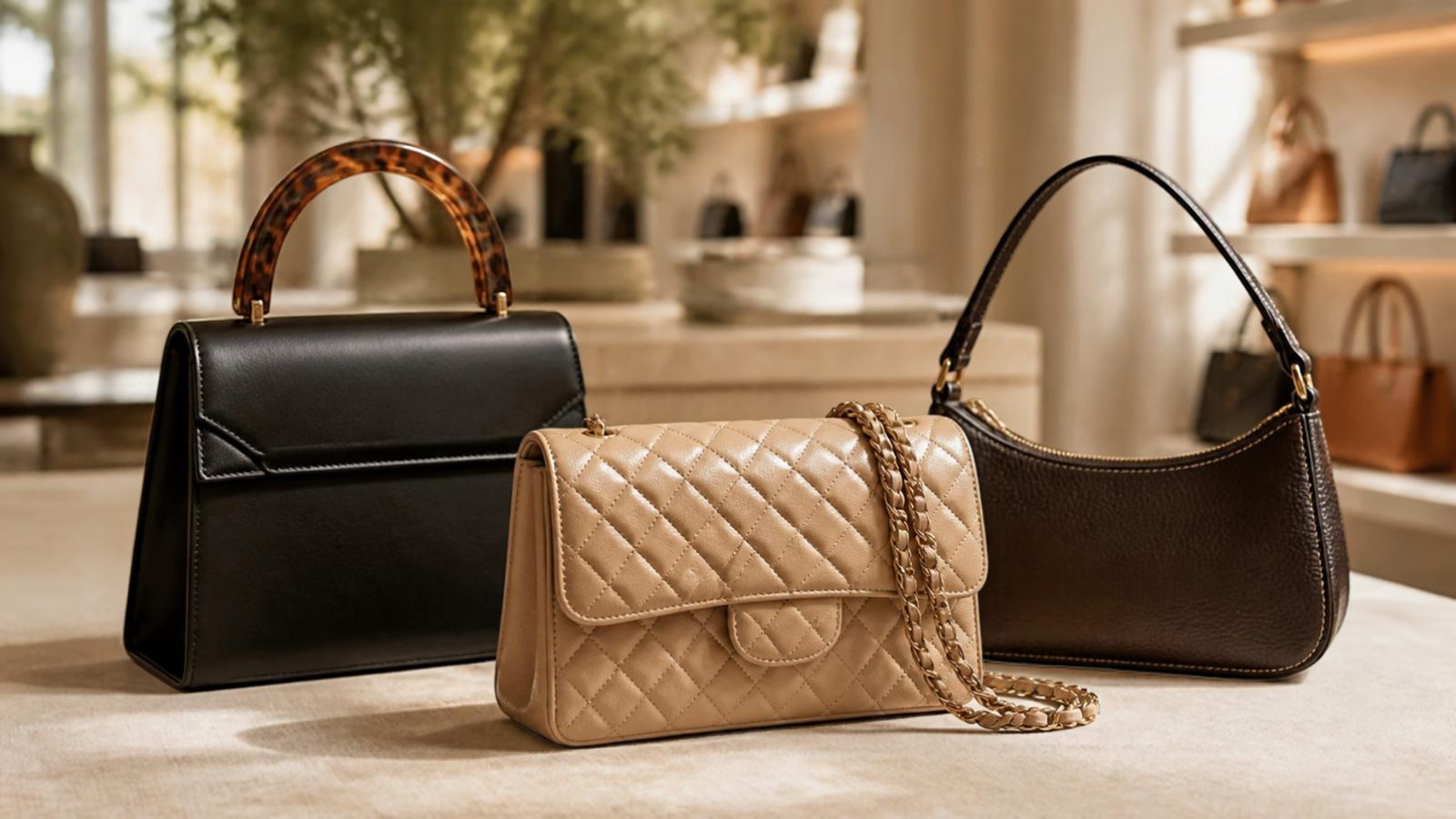
Is luxury fashion a good investment? Fashionphile’s new resale data gives a more useful answer than a simple yes or no: the classics are holding up, and the biggest jumps belong to bags that were out of fashion until very recently. The resale platform’s 2026 Ultra-Luxury Resale Report, covered this week by TheIndustry.fashion, compares January to July 2026 against the same months of 2025. The headline is nostalgia. Searches for vintage pieces rose 112% year over year, and a few revived archive bags saw their average sale prices climb by triple digits. Read more closely, though, and the data splits luxury into two very different kinds of “investment”.
The Classics: Steady, Single-Digit Gains
The bags people usually mean when they talk about investment pieces grew at a modest pace. According to the report, the second-hand value of the Chanel Double Flap rose 8.89%, the Hermès Kelly 7.67%, and both the Hermès Birkin and the Cartier LOVE bracelet 6.14% each.
Those are gains, not windfalls. They also come from a single platform over a seven-month comparison, so they tell you about one marketplace’s sales this year rather than a long-run return. Still, they line up with how these pieces behave: dependable demand, predictable pricing, and a resale value that tends to hold rather than spike.
A small number of current styles did better than that. Fashionphile says it paid sellers above the original retail price for a handful of pieces, including the Urban Essential (15% above retail), the Souplissimo and the Archetype Tote (13% above each) and the Preppy Coco (1% above). Note what that figure measures: what Fashionphile paid the person selling, not what the next buyer paid.
Popularity and appreciation aren’t the same thing either. Louis Vuitton was the most-shopped and most-sold brand, and the Speedy topped the most-shopped list for a second year running, ahead of the Chanel Double Flap and the Prada Re-Edition 2005, which climbed from eighth place to third. Goyard’s Saint Louis entered the top ten at seventh. Those rankings show what sells quickly, which matters if you ever want to sell. They don’t, by themselves, show rising prices.
The Revivals: Big Numbers, Bigger Risk
The eye-catching figures belong to archive styles. The report says the average sale price of Saint Laurent’s Mombasa, the horn-handled bag Tom Ford designed in 2001, rose 291%, and the number sold tripled. Fashionphile ties the revival to a recent runway nod from creative director Anthony Vaccarello. The Fendi Spy’s average resale value rose 127%. The Bottega Veneta Veneta Hobo saw searches jump 146% after the brand re-released it in February.
Search interest ran even hotter than prices in places. Searches for the Fendi Baguette rose 157%, but its average sale price rose under 10%. Chanel’s Cambon line saw interest up 148% and prices up 5%. Searches for monogram denim rose more than 1,000%. In other words, a lot of the nostalgia wave is people looking, and only some of it has turned into higher prices so far.
That is the risk for anyone buying a revival as an investment. The Mombasa’s jump followed a single designer’s runway reference. What a runway reference starts, the next season’s references can just as easily end, and the report can’t tell you which of today’s archive favourites will still be wanted in three years.
What This Means for Buyers
Treat luxury as a purchase that may hold its value, not as a portfolio. The data supports a few practical rules:
- Buy classics to use, not to flip. Single-digit gains on a Kelly or a Double Flap are reassuring if you’ll wear the bag for years. They’re thin once you account for selling fees, condition and authentication.
- Buy revivals because you love them. Triple-digit moves on the Mombasa or the Spy show how fast demand can return. They also show how much that demand depends on what’s on the runway right now.
- Watch searches before prices. In this report, interest often ran well ahead of sale prices. A style with soaring searches and flat prices hasn’t proven itself yet.
That last point is where resale data meets the trend-tracking tools we cover here. Search growth, runway references and sell-through are exactly the kinds of signals AI trend forecasting draws on, and as we noted last week, most of the industry still checks those forecasts before acting on them. Shoppers should do the same: a spike in interest is a signal to look closer, not proof of lasting value.
Resale value is also shaping how people shop new. TheIndustry.fashion points to Vinted’s 2025 Impact Report, in which 35% of surveyed UK buyers said they consider an item’s potential resale value before buying new, and to eBay’s Recommerce Report, in which 46% of UK respondents said they buy second-hand at least once a month.
FAQ
Is luxury fashion a good investment in 2026?
For a few classic pieces, it can hold or slightly increase its value. In Fashionphile’s 2026 report, the Chanel Double Flap’s second-hand value rose 8.89% and the Hermès Kelly’s 7.67% over January to July compared with a year earlier. Those are modest gains from one platform over seven months, so it’s safer to think of luxury as a purchase that may keep its value than as an investment.
Which luxury bags saw the biggest resale price increases?
In this report, revived archive styles led. The Saint Laurent Mombasa’s average sale price rose 291%, and the Fendi Spy’s average resale value rose 127%, both driven by renewed nostalgic interest.
Do vintage revivals hold their value?
Sometimes, but they carry more risk than classics. Demand for revived styles often follows runway references and social buzz, which can fade quickly. Rising searches don’t always mean rising prices: the Fendi Baguette’s searches rose 157% while its average sale price rose under 10%.
Sources & Further Reading: TheIndustry.fashion — “FASHIONPHILE resale report finds Y2K revivals driving luxury bag prices higher” (Catherine Rowe-Kosary, October 14, 2026), https://www.theindustry.fashion/fashionphile-resale-report-finds-y2k-revivals-driving-luxury-bag-prices-higher/
By Michelle Jones, Fashion News GF