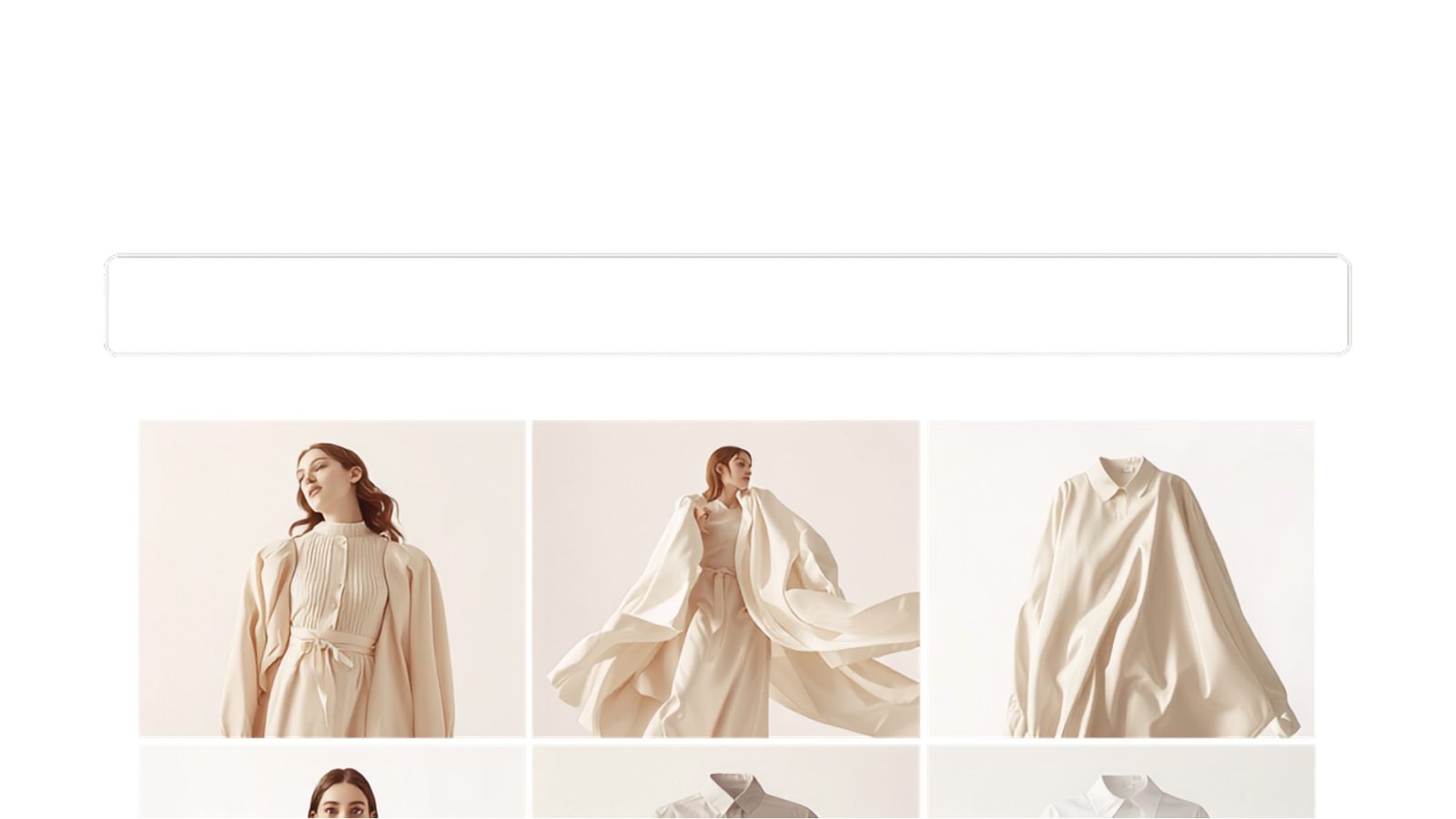
Daydream, the AI fashion search platform founded by e-commerce veteran Julie Bornstein, just made a strategic pivot worth paying attention to: instead of pulling shoppers onto its own site, it’s now putting its “Shop with AI” search tool directly onto fashion brands’ own websites. The new program, called Powered by Daydream, went live July 29 with STAUD, Alice + Olivia, Couper, Cult Mia, and Hampden Clothing already using it, and more than 25 additional brands — including Anine Bing, Mansur Gavriel, Sandro, and Maje — signed on to follow. It’s a small move on paper. In the context of this year’s AI shopping land grab, it’s a meaningful one.
What Just Launched
Daydream built its reputation as a standalone AI shopping destination: describe what you want in plain language — “a flowy midi dress for a summer wedding, nothing too tight” — and it searches across its catalog of more than 3 million products from over 10,000 brands and 325 retailers to surface matches, the same way a human stylist would translate a vague request into specific pieces. Since exiting beta, the platform has passed 1.5 million shoppers and raised $50 million in seed funding from Forerunner Ventures, Index Ventures, Google Ventures, and True Ventures.
Powered by Daydream takes that same natural-language and visual-discovery engine and embeds it directly into a brand’s own site through a “Shop with AI” button, wired into that brand’s existing product catalog and infrastructure. A shopper on STAUD’s website can now describe cut, drape, silhouette, occasion, or price range conversationally and get results pulled only from STAUD’s own inventory — no keyword guessing, no leaving the site. “Search has never been a strong suit on most fashion sites,” founder and CEO Julie Bornstein said of the launch. “Powered by Daydream allows brands to bring that same experience to their own websites.”
Why Brands Keeping the Data Is the Real Story
Most of the AI shopping coverage this year has centered on a different pattern: conversational agents — ChatGPT’s shopping features, Amazon’s agentic tools, various in-app AI stylists — that sit between the shopper and the brand, deciding what gets surfaced and often keeping the customer relationship and data for themselves. Brands, in that arrangement, become inventory sources rather than the destination.
Powered by Daydream runs the opposite direction. Co-founder and Chief Brands Officer Lisa Yamner was direct about the pitch to brands: “We’ve made the integration as simple as possible. We handle the technical work for them.” But the more important detail is what brands get to keep — the customer data and the on-site experience stay with the retailer, rather than routing the shopper’s search history and purchase intent through a third-party AI layer. For a fashion brand watching bigger platforms build AI agents that could just as easily send a customer to a competitor’s product, owning the AI search experience on your own domain is a defensible position, not just a nicer search bar.
STAUD’s Chief Commercial Officer Alicia Carbone framed the value in terms of what conversational search reveals that keyword search doesn’t: “Understanding how preferences evolve through conversation gives us context that simply isn’t available through traditional search.” That’s a data argument as much as a UX one — a brand that can see how a shopper’s language shifts mid-search (“actually, something less formal”) learns more about intent than a filter click ever will.
What This Means Going Forward
For shoppers, the immediate change is a search box that behaves more like a stylist than a filter menu, without having to bounce between a brand’s site and a third-party shopping app to get it. For the industry, this is worth watching as a counter-trend to the AI agents pulling shoppers off-site: expect more fashion retailers to treat “who owns the search experience” as a competitive question in the next year, the same way AI checkout became one in 2026. A tool that boosts conversion but hands your customer data to someone else is a very different trade than one that does the same job while keeping that relationship in-house — and the brands signing on to Daydream’s program this month are betting on the second version.
FAQ
What is Powered by Daydream, exactly?
It’s a program that lets fashion brands embed Daydream’s AI-powered natural-language search and visual discovery tool directly on their own websites, searching only that brand’s inventory rather than a third-party marketplace.
Which brands are actually using it right now?
STAUD, Alice + Olivia, Couper, Cult Mia, and Hampden Clothing are live as of the July 29 launch. Anine Bing, Mansur Gavriel, ba&sh, Sandro, Maje, MESHKI, and Ramy Brook are among more than 25 additional brands that have signed on.
How is this different from Daydream’s original shopping app?
Daydream’s original product is a standalone destination site where shoppers search across many brands at once. Powered by Daydream instead licenses that same AI search technology to individual brands to run on their own websites, so the brand — not Daydream — keeps the customer data and the site experience.
Source: PR Newswire, “Daydream Launches AI-Powered Search and Discovery Solution for Fashion Brands and Retailers” (published July 29, 2026), https://www.prnewswire.com/news-releases/daydream-launches-ai-powered-search-and-discovery-solution-for-fashion-brands-and-retailers-302837597.html
By Michelle Jones, Fashion News GF