Shoptalk Europe Highlights: AI and Personalization Dominate Discussions

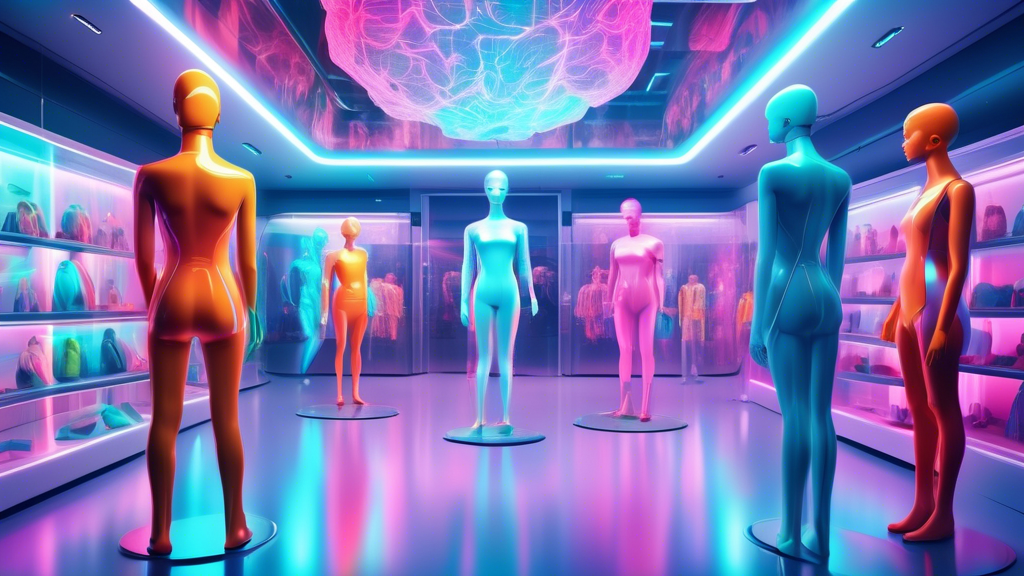
A futuristic shop floor with holographic mannequins personalized for individual shoppers gazing at them, controlled by a giant AI brain glowing in the ceiling.

The retail industry recently descended upon Barcelona for Shoptalk Europe, a leading conference for retail and e-commerce professionals. This year’s event was buzzing with energy as attendees from across the globe gathered to explore the latest trends, technologies, and strategies shaping the future of retail. Among the numerous themes discussed, two emerged as clear frontrunners: artificial intelligence (AI) and personalization. These intertwined forces dominated the conversation, highlighting their growing importance for retailers looking to thrive in an increasingly competitive and customer-centric landscape.

AI Takes Center Stage

Artificial intelligence is no longer a futuristic concept relegated to the realms of science fiction. At Shoptalk Europe, it was evident that AI has firmly established itself as a powerful tool for retailers of all sizes. From optimizing operations to enhancing customer experiences, AI’s presence was felt across numerous applications:

  • Predictive Analytics and Demand Forecasting: AI’s ability to analyze vast datasets and identify patterns is proving invaluable for retailers looking to predict future trends and optimize inventory management. By accurately forecasting demand, businesses can minimize waste, reduce costs, and ensure they have the right products available at the right time.
  • Personalized Product Recommendations: AI-powered recommendation engines are transforming the way customers discover and engage with products. By analyzing browsing history, purchase behavior, and other data points, these engines can deliver highly personalized product suggestions that drive sales and enhance customer satisfaction.
  • Chatbots and Conversational Commerce: AI-powered chatbots are increasingly being deployed to provide instant customer support, answer questions, and guide shoppers through their purchase journey. These virtual assistants offer 24/7 availability, personalized interactions, and seamless integration with messaging platforms, making them a valuable tool for enhancing customer service and driving conversions.
  • Fraud Detection and Prevention: As online transactions continue to rise, retailers face growing challenges in combating fraud. AI algorithms are being deployed to detect suspicious activities, identify fraudulent transactions, and protect both businesses and consumers from financial losses.

The Power of Personalization

In an era where customers are bombarded with countless choices, personalization has become paramount. Shoptalk Europe reinforced the message that retailers who can deliver highly personalized experiences will be the ones who win the hearts and wallets of consumers. Here’s how retailers are leveraging technology and data to create tailored interactions:

  • Personalized Content and Offers: By leveraging data on customers’ preferences, past purchases, and browsing behavior, retailers can curate personalized content and deliver targeted offers that resonate with individual shoppers. This targeted approach leads to higher engagement, increased conversions, and improved customer loyalty.
  • Omnichannel Personalization: Consumers today interact with brands through a multitude of touchpoints, both online and offline. Retailers are increasingly focused on creating seamless and personalized experiences across all channels, ensuring that customers receive consistent messaging and offers whether they’re browsing a website, using a mobile app, or visiting a physical store.
  • Hyper-Personalization Through AI: The convergence of AI and personalization is enabling retailers to achieve unprecedented levels of customization. AI algorithms can analyze vast amounts of data in real-time to deliver hyper-personalized recommendations, content, and offers that are tailored to each customer’s unique needs and preferences.
  • Personalization Beyond the Purchase: Personalization doesn’t end with the transaction. Retailers are using data to personalize post-purchase communications, such as order updates, product recommendations, and loyalty program offerings. By staying connected and providing relevant information, businesses can nurture customer relationships and drive repeat purchases.

The Ethical Considerations of AI and Personalization

While the potential benefits of AI and personalization are undeniable, it’s crucial to acknowledge the ethical considerations surrounding these technologies. Shoptalk Europe attendees engaged in numerous discussions about responsible AI implementation and data privacy:

  • Data Privacy and Security: As retailers collect and analyze increasing amounts of customer data, it’s essential to prioritize data privacy and security. Businesses must be transparent about data collection practices, obtain informed consent, and implement robust security measures to protect sensitive information.
  • Algorithmic Bias: AI algorithms are only as good as the data they are trained on. If the training data reflects existing biases, the resulting algorithms can perpetuate and even amplify those biases. Retailers must be aware of this risk and take steps to mitigate bias in their AI systems to ensure fairness and inclusivity.
  • Transparency and Explainability: As AI plays a larger role in shaping customer experiences, it’s important for retailers to be transparent about how these technologies are being used. Customers should have a clear understanding of how their data is being collected, analyzed, and utilized to personalize their interactions.

Embracing the Future of Retail

Shoptalk Europe 2023 highlighted that the retail landscape is evolving at an unprecedented pace, fueled by technological advancements and evolving consumer expectations. AI and personalization are no longer optional extras but essential tools for retailers looking to thrive in this dynamic environment. By embracing these technologies responsibly and ethically, retailers can unlock new opportunities to optimize operations, personalize customer experiences, and drive sustainable growth in the years to come.

As the retail industry continues to navigate this exciting frontier, one thing is certain: the future of retail is intelligent, personalized, and customer-centric. The insights and discussions from Shoptalk Europe provide a valuable roadmap for retailers as they embark on this transformative journey.
Fit Hub: True Fit’s Generative AI Solves Online Sizing Challenges for Fashion Retailers

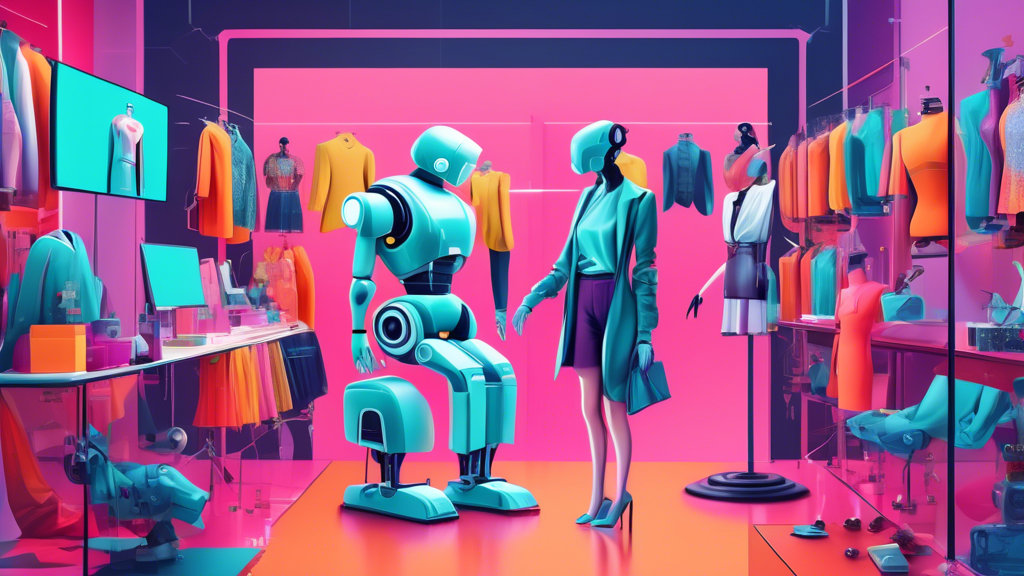
A robot stylist using AI to measure a customer for perfectly fitting clothes online, surrounded by screens showing fashion from different online retailers.

The world of online fashion retail is fraught with challenges, and perhaps none is as persistent or impactful as sizing. In the digital realm, shoppers grapple with the inability to physically try on clothes, leading to uncertainty, frustration, and ultimately, high return rates. Enter True Fit, a data-driven personalization platform for fashion retailers, and their innovative solution: Fit Hub. Powered by generative AI, Fit Hub tackles the sizing conundrum head-on, promising a future where online apparel shopping is as seamless and confidence-inspiring as its in-store counterpart.

The Sizing Struggle: A Costly Problem for Retailers and Consumers Alike

The statistics paint a stark picture of the online sizing dilemma. Return rates for online apparel purchases hover around a staggering 40%, with ill-fitting garments being the primary culprit. This translates into billions of dollars in lost revenue for retailers, who bear the brunt of return shipping costs, restocking efforts, and the potential loss of dissatisfied customers.

For consumers, the frustration is palpable. The uncertainty of online sizing leads to a phenomenon known as bracketing, where shoppers order multiple sizes of the same item, hoping to find the perfect fit. This practice, while seemingly convenient for the consumer, exacerbates the return issue for retailers and contributes to unnecessary waste. The emotional toll is significant as well. Repeated fitting room disappointments in the comfort of one’s home can erode confidence and diminish the overall shopping experience.

True Fit’s Data-Driven Approach: A Foundation Built on Billions of Data Points

True Fit has spent over a decade addressing the complexities of fit and size in the fashion industry. Their approach is deeply rooted in data, leveraging a vast network of over 80 million active members and partnerships with over 250 global retailers. This collaborative ecosystem has enabled True Fit to amass an unparalleled dataset, encompassing billions of body measurements, purchase history points, and style preferences.

At the heart of True Fit’s solution is the Fashion Genome, a proprietary database that maps the nuances of fit and style across a vast catalog of apparel and footwear from thousands of brands. This intricate web of data points provides a comprehensive understanding of how different brands, styles, and sizes translate across various body shapes and sizes.

Fit Hub: How Generative AI is Revolutionizing the Online Fitting Room

Fit Hub represents the culmination of True Fit’s data prowess and the transformative power of generative AI. This innovative solution takes personalized size recommendations to the next level, offering shoppers an interactive and insightful fitting room experience within the digital landscape.

Here’s how Fit Hub utilizes generative AI to combat sizing challenges:

1. Hyper-Personalized Size Recommendations:

Fit Hub leverages the wealth of data within the Fashion Genome to provide highly accurate and personalized size recommendations for each shopper. By analyzing a user’s unique body profile, past purchase history, and brand preferences, the AI-powered engine pinpoints the optimal size with remarkable precision.

2. Body Shape and Fit Visualization:

Gone are the days of deciphering cryptic size charts and relying on generic model images. Fit Hub employs generative AI to create personalized avatars that mirror the shopper’s body shape and measurements. This allows users to visualize how a garment will actually fit on their body, providing a level of confidence and clarity previously unattainable in the online realm.

3. Detailed Fit Feedback:

Fit Hub goes beyond simply recommending a size. The platform provides detailed feedback on the fit of a garment, highlighting potential areas of tightness or looseness based on the shopper’s unique body shape and the garment’s specific measurements. This nuanced feedback empowers shoppers to make informed decisions, reducing the likelihood of returns and increasing customer satisfaction.

4. Style and Trend Recommendations:

Fit Hub extends its capabilities beyond fit to offer personalized style recommendations. By analyzing past purchases, browsing history, and trending styles within the user’s preferred brands, the AI-powered engine suggests items that align with their individual taste. This curated approach enhances the shopping experience, making it easier for shoppers to discover new brands and styles that resonate with their personal aesthetic.

The Benefits of Fit Hub: A Win-Win for Retailers and Consumers

The impact of Fit Hub extends to both retailers and consumers, creating a mutually beneficial ecosystem within the online fashion landscape.

For Retailers:

  • Reduced Return Rates: By providing accurate and personalized fit recommendations, Fit Hub minimizes the likelihood of returns, leading to significant cost savings and increased revenue.
  • Increased Conversion Rates: The confidence instilled by Fit Hub’s personalized fitting room experience translates into higher conversion rates, as shoppers are more likely to complete their purchases when they trust they are selecting the right size and style.
  • Enhanced Customer Loyalty: A positive and seamless shopping experience fosters brand loyalty. Fit Hub’s personalized recommendations and detailed fit feedback cultivate a sense of trust and satisfaction, encouraging repeat purchases and long-term customer relationships.
  • Data-Driven Insights: The data collected through Fit Hub provides valuable insights into consumer preferences, body shapes, and purchasing behavior. These insights can be leveraged to optimize inventory management, refine product development strategies, and personalize marketing efforts.

For Consumers:

  • Increased Confidence: Fit Hub eliminates the guesswork from online apparel shopping, providing shoppers with the confidence to make informed purchase decisions without the fear of ill-fitting garments.
  • Personalized Shopping Experience: The platform’s personalized recommendations, virtual try-on capabilities, and detailed fit feedback create a tailored and enjoyable shopping journey, enhancing overall satisfaction.
  • Reduced Shopping Fatigue: By streamlining the size selection process and offering curated style recommendations, Fit Hub reduces decision fatigue and makes online shopping more efficient and enjoyable.
  • Sustainable Shopping: Fit Hub’s focus on reducing returns contributes to a more sustainable fashion ecosystem by minimizing waste associated with shipping and excess inventory.

The Future of Fashion: Generative AI Paves the Way for Personalized Shopping Experiences

True Fit’s Fit Hub, powered by generative AI, marks a pivotal moment in the evolution of online fashion retail. By addressing the long-standing challenge of online sizing, Fit Hub unlocks a future where digital shopping experiences rival the personalization and confidence of traditional brick-and-mortar stores. As generative AI technology continues to advance, we can anticipate even more innovative solutions that cater to individual needs and preferences, shaping a future where fashion is truly accessible, enjoyable, and empowering for everyone.

AI Emerges as Both Muse and Personal Stylist in the Future of Fashion

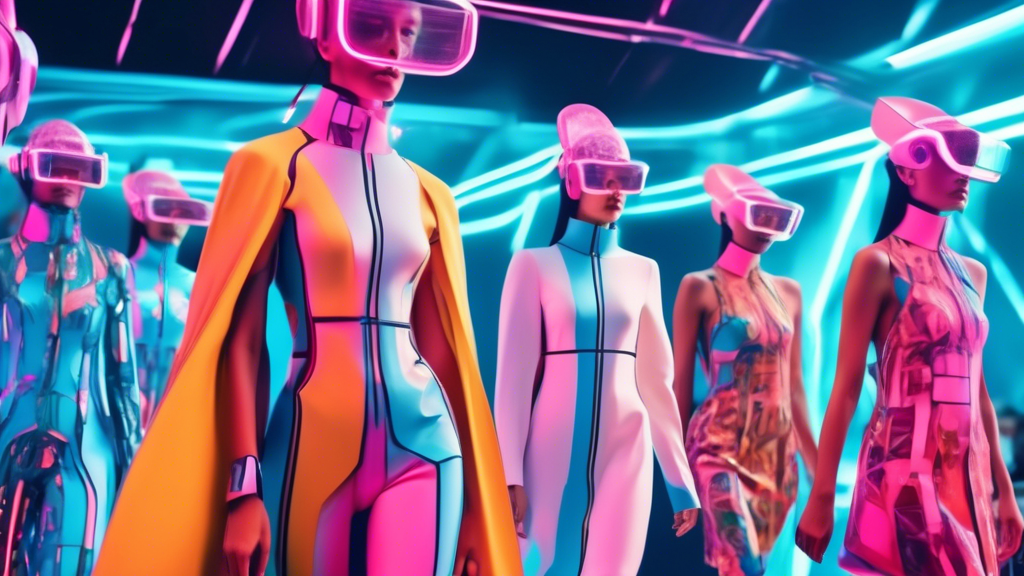
A futuristic fashion show where AI models walk the runway in clothing designed by algorithms, while robots style human attendees using virtual reality headsets.

AI: The Future of Fashion is Here

From Inspiration to Outfit Selection, AI is Revolutionizing the Industry

The fashion industry, renowned for its human touch and artistic spirit, stands at the precipice of a technological revolution. Artificial Intelligence (AI), no longer a futuristic concept, is rapidly weaving itself into the very fabric of fashion, from the initial spark of an idea to the final stitch. As AI evolves, it’s poised to become both the muse and the personal stylist, ushering in an era of personalized, efficient, and breathtakingly innovative design.

AI as Muse: Inspiring Designers and Fueling Creativity

Gone are the days when designers solely relied on mood boards and fleeting moments of inspiration. AI is stepping in as a powerful muse, capable of analyzing vast datasets of fashion trends, historical data, and consumer preferences to unearth unexpected patterns and predict future styles. This potent combination of data analysis and creative insight empowers designers to:

  • Identify Emerging Trends: AI can sift through mountains of data from social media, runway shows, and street style to pinpoint nascent trends, giving designers a competitive edge and allowing them to cater to the ever-evolving desires of fashion enthusiasts.
  • Generate Novel Designs: Imagine an AI algorithm capable of blending historical fashion elements with contemporary aesthetics to generate completely unique patterns, silhouettes, and embellishments. This is no longer a fantasy, but a reality, as AI tools empower designers to break free from conventional boundaries and explore uncharted creative territories.
  • Personalize Recommendations: AI can analyze a designer’s past collections, identifying their signature style and suggesting design modifications that align with their brand identity while catering to emerging market trends.

AI as Personal Stylist: A Seamless and Personalized Shopping Experience

The impact of AI extends far beyond the design studio, revolutionizing the way consumers discover, experience, and shop for fashion. Envision a world where your personal stylist isn’t a person, but an intelligent algorithm that knows your taste better than you know it yourself. This is the future AI promises:

  • Hyper-Personalized Recommendations: AI-powered platforms analyze your past purchases, browsing history, social media activity, and even your physical attributes to curate a personalized selection of clothing and accessories tailored to your unique style, body type, and lifestyle.
  • Virtual Styling and Try-On: Say goodbye to the uncertainty of online shopping. AI-powered virtual fitting rooms utilize augmented reality to allow you to try on clothes virtually, visualizing how different outfits would look on your body from the comfort of your own home.
  • Wardrobe Management: Imagine an app that analyzes your existing wardrobe, suggests outfit combinations you might never have considered, and even identifies gaps in your closet, prompting you to purchase items that seamlessly integrate with your current style.

AI and Sustainability: Reimagining Fashion’s Environmental Impact

The fashion industry is notorious for its environmental footprint. However, AI offers a glimmer of hope, presenting solutions for a more sustainable and ethical future:

  • On-Demand Manufacturing: By accurately predicting demand, AI can help reduce overproduction and minimize waste, a major concern in the fashion industry. On-demand manufacturing, powered by AI insights, allows brands to produce only what is needed, when it’s needed.
  • Material Innovation: AI algorithms can analyze the properties of various materials, both natural and synthetic, to develop innovative fabrics that are durable, sustainable, and ethically sourced, paving the way for an eco-conscious approach to fashion.
  • Smart Recycling and Upcycling: AI can analyze discarded garments and textile waste to identify opportunities for recycling and upcycling, contributing to a circular economy within the fashion industry.

The Human Touch: The Future of Fashion is a Collaboration

While the potential of AI in fashion is undeniable, it’s important to remember that technology alone cannot dictate the future of this dynamic industry. The human touch – the creativity, the artistry, the emotional connection – will always remain irreplaceable. The future of fashion isn’t about replacing human ingenuity, but about empowering it.

AI is not here to replace designers, stylists, and artisans, but to serve as a powerful tool that enhances their capabilities, allowing them to push the boundaries of creativity, efficiency, and sustainability. The true magic of AI in fashion lies in the synergy between human ingenuity and technological innovation, a collaboration that promises a future where fashion is as personalized and diverse as the individuals it adorns.

Embracing the Future: AI is More Than a Trend, It’s a Transformation

The integration of AI into the fashion industry is more than just a passing trend – it’s a seismic shift that is reshaping the industry from the inside out. As AI continues to evolve at an astonishing pace, its impact on fashion will only become more profound, fundamentally changing the way we design, manufacture, consume, and experience fashion.

The future of fashion is intelligent, personalized, and sustainable, driven by the transformative power of AI. By embracing this evolution, the fashion industry has the opportunity to become more creative, inclusive, and responsive to the needs of both consumers and the planet. The question isn’t whether AI will transform fashion, but how we will shape this exciting new era together.

AI can unravel the complexity of clothing supply chains

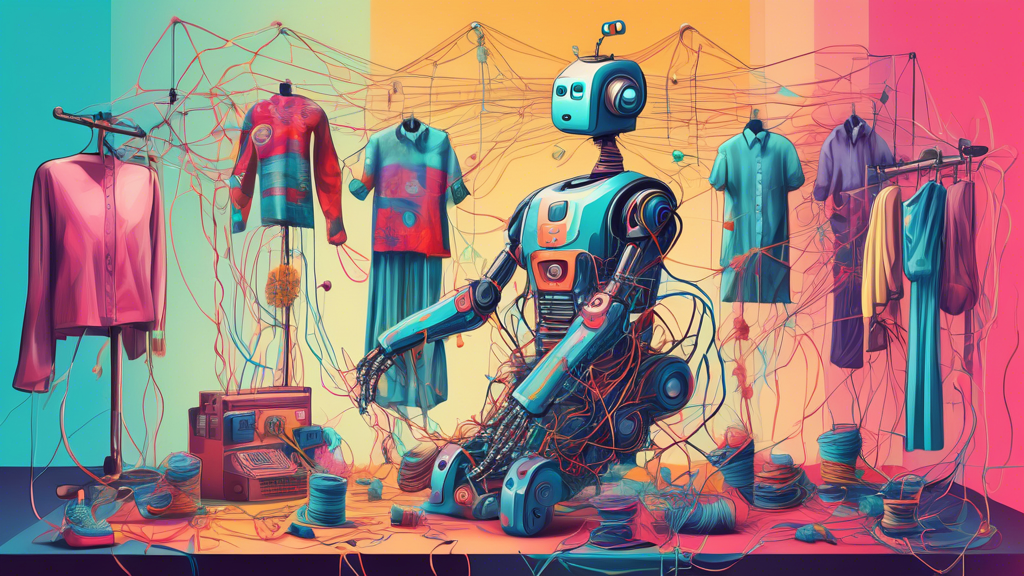
A robot hand manipulating a complex network of threads that are connected to various fashion items like shirts, pants, and dresses.

Unraveling the Threads: How AI is Transforming Clothing Supply Chains

The global fashion industry, a vibrant tapestry of creativity and commerce, is underpinned by a complex network of suppliers, manufacturers, distributors, and retailers. This intricate web, known as the clothing supply chain, is often fraught with challenges, from opaque sourcing practices to inefficient logistics and wasteful overproduction. However, a technological revolution is underway, one where artificial intelligence (AI) is poised to unravel these complexities and weave a more sustainable and ethical future for fashion.

AI’s Multifaceted Impact on Supply Chain Visibility

At the heart of a resilient and responsible supply chain lies visibility – the ability to track and trace the journey of a garment from its raw material origins to the hands of the consumer. AI offers unprecedented capabilities in enhancing this crucial aspect:

  • Mapping the Source: AI-powered tools can analyze vast datasets of supplier information, certifications, and even satellite imagery to create detailed maps of supply chains. This transparency allows brands to identify potential risks, such as unethical labor practices or environmental violations, and make informed sourcing decisions.
  • Real-Time Tracking: By integrating sensors and tracking devices with AI algorithms, brands can monitor the movement of goods in real-time throughout the supply chain. This not only improves logistics efficiency but also enables greater accountability and reduces the likelihood of counterfeiting and gray market sales.
  • Predictive Analytics: AI’s ability to analyze historical data and identify patterns is invaluable in forecasting demand, optimizing inventory levels, and minimizing waste. By accurately predicting trends and consumer preferences, brands can produce only what is needed, reducing overstock and contributing to a more sustainable fashion ecosystem.

Optimizing Efficiency and Agility with AI

Beyond enhancing visibility, AI is transforming the operational efficiency and agility of clothing supply chains:

  • Automated Processes: Repetitive and time-consuming tasks, such as order processing, quality control, and inventory management, can be automated using AI-powered systems. This not only frees up human workers for more strategic roles but also reduces the potential for human error, leading to greater accuracy and efficiency.
  • Smart Warehousing: AI-powered robots and automated guided vehicles (AGVs) are revolutionizing warehouse operations. These intelligent systems can optimize storage space, retrieve products with speed and precision, and even assist with packing and shipping, leading to significant cost savings and faster delivery times.
  • Dynamic Pricing: In the fast-paced world of fashion, pricing is paramount. AI algorithms can analyze real-time data, such as competitor pricing, inventory levels, and even social media sentiment, to dynamically adjust prices and maximize profitability while remaining competitive.

Enhancing Sustainability and Ethical Practices

The fashion industry’s environmental and social impact is under intense scrutiny. AI can play a transformative role in promoting sustainable and ethical practices throughout the clothing supply chain:

  • Reducing Waste: By optimizing production planning, forecasting demand accurately, and enabling on-demand manufacturing, AI can significantly reduce the amount of waste generated throughout the supply chain, minimizing the industry’s environmental footprint.
  • Promoting Circularity: AI-powered platforms are emerging that facilitate clothing rental, resale, and recycling, extending the lifecycle of garments and contributing to a more circular fashion economy.
  • Ensuring Ethical Sourcing: As mentioned earlier, AI’s ability to map and monitor supply chains enables brands to identify and address ethical concerns, such as unfair labor practices, child labor, and unsafe working conditions. By promoting transparency and accountability, AI can help create a more ethical and responsible fashion industry.

Navigating the Challenges and Embracing the Future

While the potential of AI to revolutionize clothing supply chains is vast, it’s essential to acknowledge the challenges and considerations:

  • Data Privacy and Security: AI relies heavily on data, and ensuring the privacy and security of sensitive information, such as supplier details and customer data, is paramount. Implementing robust data governance policies and cybersecurity measures is crucial.
  • Ethical Considerations: As with any transformative technology, it’s important to use AI responsibly and ethically. This includes mitigating potential biases in algorithms, ensuring fairness and transparency in decision-making, and protecting the rights of all stakeholders within the supply chain.
  • Workforce Adaptation: The integration of AI will inevitably lead to shifts in the workforce. Upskilling and reskilling programs will be essential to equip workers with the skills needed to thrive in an AI-powered future.

The fashion industry is at a pivotal juncture. As consumers increasingly demand transparency, sustainability, and ethical practices, AI offers a powerful toolkit for transformation. By embracing the potential of AI and navigating the associated challenges responsibly, the industry can unravel the complexities of its supply chains and weave a future where fashion and technology intertwine to create a more equitable and sustainable world.

Will AI-generated models diversify fashion or homogenize it?

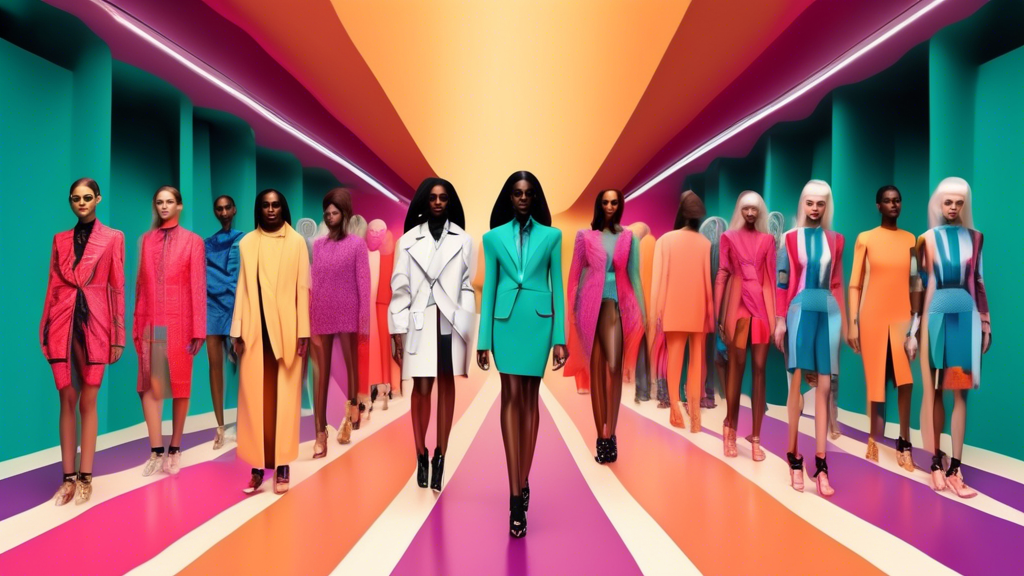
A fashion runway split down the middle, one side with diverse models with unique features and clothing, the other side with rows of identical AI-generated models wearing the same outfit.

The AI Runway: Will Artificial Intelligence Democratize Fashion or Make It Uniform?

Artificial intelligence is weaving its way into every industry, and the glamorous world of fashion is no exception. From designing garments to predicting trends, AI tools are rapidly changing how we create, consume, and think about fashion. But a critical question hangs in the balance: Will AI-generated models diversify fashion or homogenize it?

The Promise of Democratization: Breaking Down Barriers and Embracing Inclusivity

Advocates for AI in fashion see a future brimming with possibilities. They argue that AI has the potential to democratize the industry, making it more inclusive and diverse. Here’s how:

  • Challenging Traditional Beauty Standards: AI-powered tools can analyze vast datasets of faces and bodies, helping designers move beyond narrow and often exclusionary beauty standards. This could lead to clothing lines that cater to a broader spectrum of body types, ages, and ethnicities.
  • Personalized Style at Scale: Imagine receiving AI-generated outfit recommendations tailored to your unique taste, body shape, and lifestyle. This level of personalized styling, once reserved for the elite, could become accessible to all, fostering self-expression and individual style.
  • Empowering Emerging Designers: AI design tools can level the playing field for independent designers and smaller brands. These tools can assist with complex tasks like pattern making, trend forecasting, and even digital prototyping, reducing entry barriers and allowing creativity to flourish.

The Specter of Homogenization: Algorithms, Data Bias, and the Risk of Uniformity

While the potential benefits are alluring, a counter-argument warns of AI’s potential to homogenize fashion. This argument centers around concerns about data bias and the limitations of algorithms:

  • Amplifying Existing Biases: AI algorithms are only as good as the data they are trained on. If this data reflects existing biases in the fashion industry, such as a preference for certain body types or skin tones, the AI tools will simply perpetuate these biases, leading to further exclusion.
  • The Average Aesthetic: AI algorithms excel at identifying patterns and trends. While this can be helpful, it also raises the risk of creating an average aesthetic that prioritizes mass appeal over individuality. This could lead to a fashion landscape saturated with similar designs, stifling creativity and diversity.
  • The Illusion of Choice: Personalized recommendations, while convenient, can create filter bubbles, limiting exposure to different styles and aesthetics. If consumers are only presented with options that conform to their pre-existing preferences, it could hinder experimentation and stifle the evolution of fashion.

Finding the Balance: Towards Ethical and Inclusive AI in Fashion

The future of fashion lies not in rejecting AI but in harnessing its power responsibly. To ensure AI diversifies rather than homogenizes the industry, several key steps are crucial:

1. Addressing Data Bias:

Developers must prioritize diversity and representation in the datasets used to train AI models. This requires proactive efforts to include data from underrepresented groups and to mitigate existing biases within datasets.

2. Promoting Algorithmic Transparency:

Understanding how AI algorithms make decisions is critical. Increased transparency in AI development will allow for better detection of bias and promote fairness in AI-powered fashion tools.

3. Embracing Human-AI Collaboration:

AI should augment, not replace, human creativity. The most promising applications of AI in fashion will be those that empower designers, stylists, and consumers, fostering collaboration between human ingenuity and artificial intelligence.

4. Cultivating Critical Consumption:

Consumers also play a role in shaping the future of fashion. By being mindful of potential biases, seeking out diverse designers, and embracing individual style choices, consumers can help steer the industry towards a more inclusive and vibrant future.

The Runway Ahead

AI’s entry into the fashion world is inevitable. The technology holds immense potential to reshape the industry, making it more accessible, personalized, and perhaps even sustainable. However, it’s crucial to proceed with caution, addressing potential pitfalls and prioritizing ethical development. By embracing a balanced approach, we can harness the power of AI to create a fashion landscape that celebrates diversity, empowers creativity, and reflects the unique beauty of every individual.

Personalizing the Retail Experience

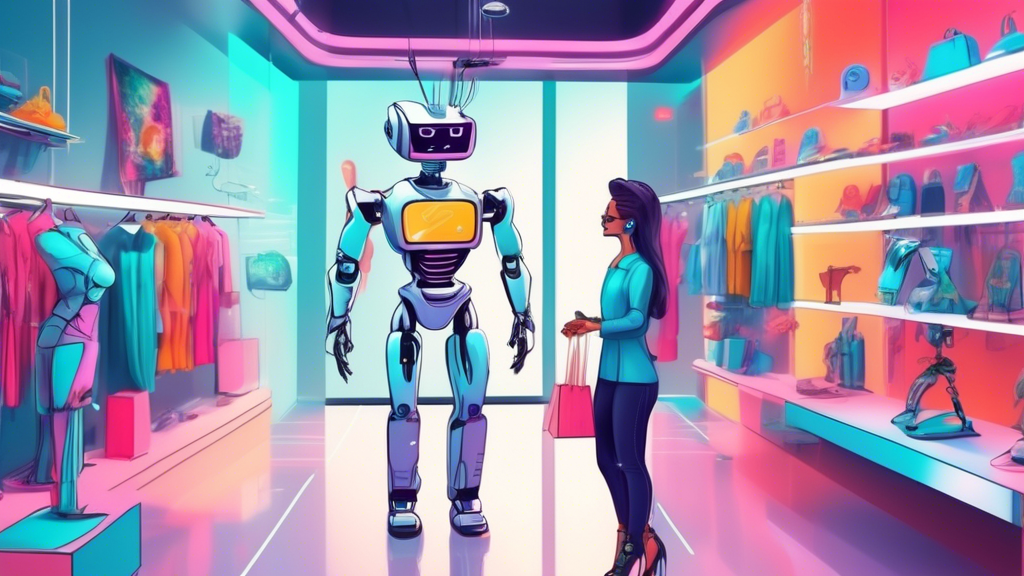
A robot stylist using augmented reality to design a custom outfit for a smiling shopper in a futuristic clothing store.

Introduction

In today’s hyper-competitive retail landscape, simply offering quality products at competitive prices is no longer enough. Consumers are bombarded with choices, both online and offline, and they crave shopping experiences that cater to their individual needs and preferences. This is where personalization comes in.

What is Retail Personalization?

Retail personalization encompasses a range of strategies aimed at tailoring the shopping experience to each individual customer. It goes beyond simply addressing customers by their first names in email campaigns. Effective personalization leverages data to understand customer behavior, preferences, and purchase history to deliver relevant product recommendations, targeted promotions, and curated content.

The Benefits of Personalization in Retail

Increased Customer Engagement

Personalization makes customers feel valued and understood. By presenting them with products and offers that align with their interests, retailers can significantly increase engagement. When customers find what they’re looking for quickly and easily, they’re more likely to stay on a website longer, browse more products, and ultimately, make a purchase.

Higher Conversion Rates

Personalized recommendations are proven to drive conversions. When customers are shown products that align with their browsing history, past purchases, or expressed preferences, they are more likely to convert into paying customers. The logic is simple: the more relevant the offering, the higher the chance of a sale.

Improved Customer Loyalty

In the age of endless choices, customer loyalty is invaluable. Personalization fosters loyalty by creating a sense of connection between the retailer and the customer. When customers feel understood and appreciated, they are more likely to return for repeat purchases and become brand advocates.

Increased Revenue and Profitability

The ultimate goal of any retail strategy is to drive revenue and profitability. Personalization achieves this by boosting engagement, increasing conversion rates, and fostering customer loyalty. By creating a more personalized shopping experience, retailers can maximize their return on investment and gain a competitive edge.

Key Personalization Strategies for Retailers

Data Collection and Analysis

The foundation of effective personalization lies in data. Retailers need to gather relevant data about their customers, including their browsing history, purchase history, demographics, and preferences. This data can be collected through website cookies, customer loyalty programs, online surveys, and point-of-sale systems. Once collected, this data must be analyzed to identify patterns and insights that can be used to personalize the shopping experience.

Personalized Product Recommendations

One of the most effective personalization strategies is to offer personalized product recommendations. This can be achieved through collaborative filtering, which analyzes the purchase history of similar customers to identify products that the current customer might be interested in. Content-based filtering, on the other hand, recommends products that are similar to products the customer has viewed or purchased in the past.

Targeted Promotions and Offers

Generic promotions often fall flat because they are not relevant to the individual customer. Personalized promotions, on the other hand, are tailored to the customer’s interests and purchase history. For example, a customer who frequently purchases coffee might receive a discount on their favorite brand, while a customer who has recently viewed hiking boots might receive a promotion for outdoor gear.

Personalized Content and Email Marketing

Email marketing remains a powerful tool for retailers, but generic email blasts are often ignored. Personalized emails, on the other hand, can be highly effective. By segmenting their email lists based on customer data, retailers can send targeted emails featuring content and promotions that are relevant to each subscriber’s interests.

Omnichannel Personalization

Today’s consumers interact with retailers across multiple channels, including websites, mobile apps, social media, and brick-and-mortar stores. To provide a truly personalized experience, retailers need to ensure that their personalization efforts are consistent across all channels. This means tracking customer interactions across all touchpoints and using that data to create a unified and personalized experience.

Examples of Personalization in Retail

Amazon

Amazon is a prime example of a retailer that excels at personalization. From personalized product recommendations to targeted email campaigns, Amazon leverages customer data to create a highly individualized shopping experience. Their Customers who bought this item also bought and Recommended for you sections are powered by sophisticated algorithms that analyze browsing and purchase history to suggest relevant products.

Netflix

While not strictly a retailer, Netflix’s personalization strategy is worth mentioning. Their recommendation engine analyzes viewing history, ratings, and even the time of day a user is watching to suggest movies and TV shows that align with their tastes. This high level of personalization has been a key factor in Netflix’s success.

Sephora

Beauty retailer Sephora offers a personalized experience both online and in-store. Their website features a Beauty Bag where customers can save their favorite products, as well as a Skincare Routine Finder that recommends products based on individual skin concerns. In-store, Sephora offers personalized consultations and makeovers, further enhancing the customer experience.

The Future of Personalized Retail

As technology continues to evolve, the possibilities for retail personalization are endless. Artificial intelligence (AI) and machine learning are playing an increasingly important role in analyzing customer data and delivering even more sophisticated personalization.

Hyper-Personalization

Hyper-personalization takes personalization to the next level by using real-time data and AI to deliver highly individualized experiences. For example, imagine a retail app that uses geolocation data to suggest products based on the customer’s current location or even the weather.

Voice Commerce and Personalization

With the rise of voice assistants like Amazon Alexa and Google Assistant, voice commerce is becoming increasingly popular. Voice-activated shopping presents unique opportunities for personalization, as retailers can use voice commands and purchase history to anticipate customer needs and offer tailored recommendations.

Augmented Reality (AR) and Virtual Reality (VR)

AR and VR technologies are transforming the retail landscape by creating immersive and interactive shopping experiences. These technologies can be used to personalize the shopping journey by allowing customers to virtually try on clothes, visualize furniture in their homes, or even receive personalized beauty consultations.

Conclusion

Personalization is no longer a nice-to-have for retailers; it’s a necessity. By understanding their customers’ needs and preferences and leveraging data to create tailored experiences, retailers can increase engagement, drive conversions, foster loyalty, and ultimately, boost profitability. As technology continues to evolve, the possibilities for personalization are endless, and retailers who embrace these advancements will be well-positioned for success in the years to come.

Katy Perry’s Mom Mistakes AI Met Gala Photo for the Real Deal

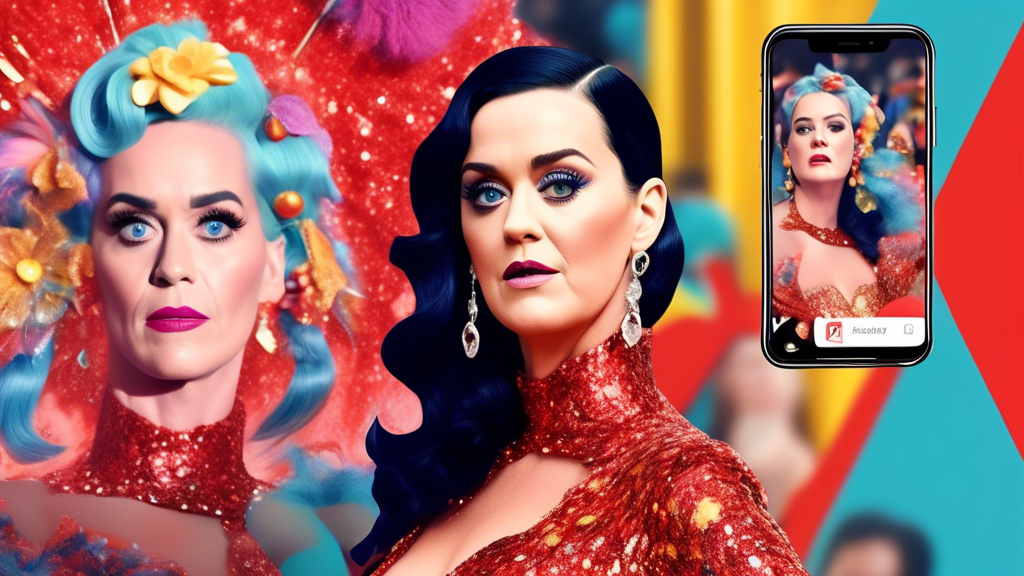
Katy Perry's mom staring in shock at her phone showing a hyperrealistic AI image of Katy Perry on the Met Gala red carpet next to a blurry real photo of the event.

A Hilarious Case of AI Deception in the Age of Hyperrealism

In the dazzling spectacle that is the Met Gala, where fashion’s elite gather in a whirlwind of haute couture and artistic expression, sometimes reality takes a backseat. This year, a particularly convincing AI-generated image of pop icon Katy Perry nearly pulled the wool over the eyes of none other than her own mother, Mary Hudson.

The image in question depicted Perry in a voluminous, floral-embellished gown that seemed straight out of a fairytale. The details were impeccable – from the intricate beading to the delicate way the fabric draped around her – making it easy to believe she had, once again, stolen the show at the iconic event.

A Mother’s Love (and a Little Help from Technology)

Hudson, clearly taken by the image’s realism, shared it on her social media, gushing about her daughter’s stunning appearance. Little did she know, the photograph was not the product of renowned photographers capturing Perry’s grand entrance but rather the output of sophisticated AI algorithms.

The incident sparked a wave of amusement and fascination online, highlighting the increasing sophistication of artificial intelligence and its ability to blur the lines between reality and digital fabrication. While AI-generated art has been around for a while, the Perry incident showcased just how convincing these creations can be, even fooling those closest to the subject.

AI: The New Couturier?

The image itself served as a testament to the rapid advancements in AI image generation. The level of detail, particularly in the rendering of the gown’s intricate embroidery and the play of light and shadow, was remarkable. It raised questions about the future of fashion imagery and the potential for AI to become a powerful tool for designers, stylists, and artists alike.

Imagine a world where AI could generate endless variations of outfits on virtual models, allowing designers to experiment with different fabrics, patterns, and silhouettes without the limitations of the physical world. The possibilities are endless, and the Perry incident offered a glimpse into this exciting, if slightly unnerving, future.

Separating Fact from Fiction in the Digital Age

However, the incident also raised important questions about the ethical implications of such technology. In an era of misinformation and deep fakes, the ability to create such convincing images raises concerns about the potential for misuse.

From spreading false narratives to manipulating public perception, the potential downsides of AI-generated imagery are significant. It underscores the need for critical thinking and media literacy, urging individuals to approach online content with a healthy dose of skepticism.

A Teachable Moment

While Perry’s mother may have been momentarily fooled, the incident served as a lighthearted reminder for all of us navigating the ever-evolving digital landscape. It highlighted the importance of verifying information, especially when it comes to sensationalized or attention-grabbing content.

The incident also sparked a conversation about the future of AI and its role in our lives. As AI technology continues to evolve, it’s crucial to approach its development and applications responsibly, ensuring transparency and ethical considerations remain at the forefront.

The Final Word (For Now)

In the end, the tale of Katy Perry’s AI-generated Met Gala gown serves as a cautionary yet humorous anecdote in our increasingly digital world. It reminds us to approach online content with a discerning eye while embracing the fascinating possibilities that AI technology offers. As AI continues to advance, we can expect even more blurred lines, making it crucial to stay informed and engaged in the evolving conversation surrounding its impact on our lives.

Booming AI in Fashion Market: Growth Analysis and Future Outlook (2023-2031)

A futuristic fashion show with AI models wearing clothes generated by algorithms, surrounded by data visualizations and growth charts.

The fashion industry, renowned for its ever-evolving trends and creative spirit, is undergoing a technological transformation driven by artificial intelligence (AI). This powerful technology is revolutionizing every aspect of the fashion ecosystem, from design and manufacturing to marketing and customer experience. The global AI in fashion market is experiencing remarkable growth, fueled by the increasing adoption of AI-powered solutions by industry players seeking to enhance efficiency, boost sales, and gain a competitive edge.

Factors Driving the Growth of AI in Fashion

Several factors are contributing to the rapid expansion of the AI in fashion market:

  • Demand for Personalized Experiences: Today’s consumers crave personalized shopping experiences. AI enables fashion brands to analyze vast amounts of data about individual preferences, purchase history, and browsing behavior to offer highly targeted product recommendations and personalized styling advice. This level of personalization significantly enhances customer satisfaction and drives sales.
  • Increased Efficiency and Automation: AI-powered solutions automate tedious and repetitive tasks across the fashion value chain. From design and pattern making to inventory management and logistics, AI streamlines operations, reduces costs, and improves efficiency. This allows fashion companies to focus on creativity, innovation, and delivering exceptional customer service.
  • Trend Forecasting and Predictive Analytics: AI algorithms can analyze real-time data from social media, fashion shows, and online platforms to identify emerging trends and predict future fashion demands. This invaluable insight helps designers create collections that resonate with consumer preferences and allows brands to optimize inventory management, reducing waste and maximizing profitability.
  • Enhanced Supply Chain Management: AI-powered systems optimize supply chain operations by forecasting demand, tracking inventory levels, and automating logistics. This ensures timely delivery of products, reduces lead times, and minimizes waste, leading to significant cost savings and improved customer satisfaction.
  • Rise of Virtual Styling and Shopping: AI is transforming the way consumers shop for fashion. Virtual styling platforms use AI algorithms to create personalized outfits based on individual preferences, body types, and style goals. Augmented reality (AR) and virtual reality (VR) technologies are enhancing the online shopping experience by allowing customers to virtually try on clothes and accessories, providing a more immersive and engaging shopping journey.

Applications of AI in Fashion

The applications of AI in the fashion industry are vast and continue to expand rapidly. Here are some key areas where AI is making a significant impact:

  • Product Design and Development: AI assists designers in creating innovative and appealing designs. By analyzing trends and consumer preferences, AI algorithms can generate design ideas, suggest color palettes, and even create virtual prototypes.
  • Personalized Recommendations: AI-powered recommendation engines provide customers with personalized product suggestions based on their browsing history, past purchases, and style preferences, leading to increased sales conversions.
  • Visual Search and Image Recognition: AI allows shoppers to search for clothing and accessories using images instead of text. This technology can identify specific items or similar styles from uploaded photos, making the shopping experience more intuitive and efficient.
  • Virtual Styling and Fit Assistance: AI-powered virtual stylists provide personalized fashion advice and outfit recommendations. Virtual try-on tools utilize AR technology to let users see how clothes would look on them without physically trying them on.
  • Inventory Management and Demand Forecasting: AI optimizes inventory levels by forecasting demand, tracking stock movements, and automating replenishment orders. This reduces waste, minimizes stockouts, and improves overall supply chain efficiency.
  • Fraud Detection and Prevention: AI algorithms can identify and prevent fraudulent activities, such as fake accounts, payment fraud, and counterfeit products, enhancing security and trust within the fashion ecosystem.

Future Outlook: The Evolving Landscape of AI in Fashion

The AI in fashion market is poised for exponential growth in the coming years. As AI technology continues to advance and become more sophisticated, we can anticipate even more innovative applications and transformative changes in the fashion industry.

  • Hyper-Personalization: AI will enable a new level of hyper-personalization, where fashion brands will offer bespoke clothing and accessories tailored to individual customers’ unique measurements, style preferences, and even their DNA.
  • Sustainable and Ethical Fashion: AI will play a crucial role in promoting sustainability and ethical practices in the fashion industry. From optimizing material usage and reducing waste to ensuring fair labor practices, AI will help fashion companies become more environmentally and socially responsible.
  • AI-Powered Design Assistants: AI-powered design assistants will become increasingly prevalent, assisting designers throughout the creative process. These intelligent tools will generate design ideas, suggest fabric choices, and even automate pattern making, freeing up designers to focus on the artistic aspects of their work.
  • The Metaverse and Virtual Fashion: AI will shape the future of fashion in the metaverse, a collective virtual shared space. AI-powered avatars will wear digital fashion creations, and consumers will be able to purchase and showcase these virtual garments in online worlds and gaming environments.
  • Increased Adoption by Small and Medium Enterprises: As AI solutions become more accessible and affordable, small and medium-sized fashion businesses will increasingly adopt these technologies to enhance their operations, compete effectively, and reach a wider audience.

Conclusion

The integration of AI into the fashion industry is revolutionizing the way fashion is designed, manufactured, marketed, and consumed. From personalized experiences and increased efficiency to trend forecasting and virtual styling, AI is empowering fashion brands to meet the evolving demands of consumers while creating new opportunities for growth and innovation. As AI technology continues to advance, we can expect even more transformative changes in the fashion landscape, shaping a future where technology and creativity converge to redefine the boundaries of style and self-expression.

Gucci’s Christmas Tree in Milan Becomes a Focus of Climate Activists’ Attention

fashion news2

Well, That’s One Way to Color a Tree! 🌳🎨

Key Points:

– As if the world of real estate wasn’t already colorful enough, a tree in a quiet neighborhood recently received a vibrant makeover when mischievous troublemakers decided to drench it with buckets of orange paint.
– Witnesses were astonished as they watched the tree evolve from a lush green beauty to a strikingly bold and flamboyant orange. No doubt, it became the most eye-catching feature on the block, stealing the spotlight from even the most luxurious mansions around.
– The eccentric incident caught the attention of the local police, who were hailed to the scene by bewildered neighbors clutching their binoculars and cameras. The officers took immediate action to ensure the tree received the justice it deserved—the removal of the illicit paint job.
– With determination and expertise, the police summoned the help of a professional tree surgeon who meticulously restored the tree’s natural aesthetics. Armed with brushes and a hearty sense of humor, they brought the poor tree back to its original green glory, erasing all traces of its colorful interlude.

Closing Paragraph:

In a world often filled with mundane news about rising housing prices and property renovations, it’s refreshing to stumble upon a story that adds a splash of color and adventure to our lives. While the tree in question may have unwillingly become an artistic masterpiece, we can all appreciate the efforts of the police and tree surgeon who gave it a second chance to shine in its natural beauty. Let this be a gentle reminder that even the most unexpected incidents can brighten our day and make us appreciate the quirks that make life truly memorable. So, perhaps it’s time to embrace the unexpected and add a little color to our own lives.🎨

R2BlhhrDHWGSE3D

Read full article at https://wwd.com/fashion-news/fashion-scoops/climate-activists-target-guccis-christmas-tree-milan-1236106078/

Tips for Styling an Oversized Shirt

fashion news

The “oversized” trend isn’t just a fleeting moment; it’s a wardrobe staple. However, there is a fine line between looking intentionally chic and looking like you’re swimming in fabric. The secret to styling an oversized shirt lies in proportion, balance, and intentionality.

Whether you’re working with a crisp white button-down, a vintage graphic tee, or a chunky flannel, here is your definitive guide to mastering the oversized silhouette.


1. The “French Tuck” Technique

Popularized by Tan France, the French tuck is the easiest way to add structure to a voluminous top. Simply tuck the very front of your shirt into your waistband and leave the back and sides loose.

  • Why it works: It defines your waistline while maintaining that relaxed, “cool girl” vibe

  • Best for: Oversized button-downs paired with high-waisted denim.

2. Balance with Slim-Fit Bottoms

The golden rule of oversized styling is The Rule of Proportions. If your top is high-volume, your bottom should be streamlined.

  • The Look: Pair an extra-large sweater or tunic with leggings, bike shorts, or skinny jeans.

  • Pro Tip: Add chunky loafers or “dad” sneakers to ground the look and keep the proportions from looking top-heavy.

3. Use a Belt to Create an Hourglass

If you feel lost in the fabric, use a belt to reclaim your shape. This transforms an oversized shirt from a “borrowed from the boys” look into a structured dress.

  • The Look: A wide leather belt over an oversized flannel or a silk shirt dress.

  • The Vibe: Elevated, polished, and evening-ready.

4. Layer Over a Slip Dress

Don’t relegate your oversized shirts to just being “tops.” Use an unbuttoned shirt as a lightweight alternative to a denim jacket or cardigan.

  • Styling Tip: Wear a white linen oversized shirt over a midi slip dress. It provides coverage for the arms while keeping the outfit breezy and feminine.


Quick Comparison: Choosing the Right Fabric

Fabric Type Vibe Best Way to Style
Cotton Poplin Crisp & Professional Tucked into tailored trousers
Linen Coastal Grandmother Open over a swimsuit or tank
Flannel/Plaid Grunge & Casual Tied around the waist or layered
Silk/Satin Glamorous Half-tucked with gold jewelry

5. The Knot-Front Detail

If your shirt is exceptionally long, give it a “crop” without using scissors. Button the shirt down to your mid-torso, then take the two bottom tails and tie them into a double knot.

  • Perfect for: High-waisted skirts or wide-leg pants where you want to show off the waist detail.

6. Play with Monochromatic Tones

To make an oversized outfit look expensive, stick to one color palette. Wearing an oversized beige knit with cream trousers creates a seamless, elongated line that prevents the extra fabric from looking messy.

7. The “Off-the-Shoulder” Shift

For a more romantic or edgy look, unbutton the top two buttons of your shirt and pull it back so it hangs off one shoulder.

  • Accessorize: Pair this with a dainty layered necklace to draw attention to the neckline.


Common Styling Mistakes to Avoid

  • Ignoring the Sleeves: Long, dangling sleeves can look accidental. Always roll or cuff the sleeves to show your wrists; it adds an instant touch of “styling.”

  • Too Much Volume Everywhere: Avoid pairing an oversized shirt with an oversized maxi skirt unless you are going for a specific avant-garde look.

  • Wrinkled Fabric: Because there is so much fabric, wrinkles are more noticeable. Always steam your oversized pieces for a “clean girl” aesthetic.


Summary: Your Oversized Styling Checklist

  1. Define the waist (Tuck or belt).

  2. Contrast the fit (Big top + slim bottom).

  3. Show some skin (Roll sleeves or open the collar).

  4. Choose quality fabrics (Linen and heavy cotton drape better).

Affiliate Disclosure: FashionNewsGF.com is a participant in the Amazon Services LLC Associates Program, an affiliate advertising program designed to provide a means for sites to earn advertising fees by advertising and linking to Amazon.com. As an Amazon Associate we earn from qualifying purchases. Learn more